Article
ISSN 0102-695X http://dx.doi.org/10.1590/S0102-695X2012005000005 Received 16 May 2011 Accepted 18 Aug 2011 Available online 6 Jan 2012
zizanioides essential oil
Gabrielle M. Lima,
1Lucindo J. Quintans-Júnior,
1Sara M.
Thomazzi,
1Emyle M. S. A. Almeida,
1Mônica S. Melo,
1Mairim
R. Serafi ni,
1Sócrates C. H. Cavalcanti,
1Daniel P. Gelain,
5João
Paulo A. Santos,
5Arie F. Blank,
2Péricles B. Alves,
3Paulina
M. Oliveira Neta,
3Julianeli T. Lima,
4Ricardo F. Rocha,
5José
ClaúdioF. Moreira,
5Adriano A. S. Araújo
*1,51Departamento de Fisiologia, Universidade Federal de Sergipe, Brazil, 2Departamento de Agronomia, Universidade Federal de Sergipe, Brazil, 3Departsmento de Química, Universidade Federal de Sergipe, Brazil,
4Departamento de Ciências Farmacêuticas, Universidade Federal do Vale do São
Francisco, Brazil,
5Departamento de Bioquímica, Universidade Federal do Rio Grande do Sul,
Brazil.
Abstract: Chrysopogon zizanioides (L.) Roberty, Poaceae, is a plant widely used in northeast Brazil in folk medicine for the treatment of various pathological conditions, including inl ammatory pain. The present study evaluated the antinociceptive and anti-inl ammatory effects of C. zizanioides essential oil (EO) in rodents. EO was further characterized by GC/MS. The major components of EO were identii ed as khusimol (19.57%), E-isovalencenol (13.24%), α-vetivone (5.25%), β-vetivone (4.87%) and hydroxy-valencene (4.64%). Following intraperitoneal injection (i.p.), EO at 50 and 100 mg/kg signii cantly reduced the number of writhes (51.9 and 64.9%, respectively) and the number of paw licks during phase 2 (56.7 and 86.2%, respectively) of a formalin model when compared to control group animals. However, EO-treated mice were ineffective at all doses in hot-plate and rota-rod tests. The EO inhibited the carrageenan-induced leukocyte migration to the peritoneal cavity in a dose-dependent manner (34.7, 35.4, and 62.5% at doses of 25, 50 and 100 mg/kg, respectively). In the paw edema test, the EO (100 mg/kg) inhibited all three phases of the edema equally well, suggesting that the EO has a non-selective inhibitory effect on the release or actions of these mediators. Our results suggest possible antinociceptive and anti-inl ammatory effects of the EO.
Keywords:
anti-inflammatory effect antinociceptive effect
Chrysopogon zizanioides
essential oil phytochemical screening vetiver
Introduction
Medicinal plants are known as an important source of new chemical substances with potential therapeutic effects (Almeida et al., 2001). Recently, essential oils extracted from various herbs and spices
have been a subject of intensive research, partially due
to the continuous discoveries of their multifunctional properties other than their classical roles as food additives and/or fragrances. For example, antibacterial, antifungal,
anticonvulsant, antinociceptive and anti-inl ammatory
activities of many essential oils have been investigated (Elisabetsky et al., 1995; Hammer et al., 1999; Almeida et al., 2001; Quintans-Junior et al., 2008).
Chrysopogon zizanioides Nash, Poaceae,
popularly known as vetiver and “grama-das-índias”, is
one of the most important raw materials in perfumery
(Martinez et al., 2004). The genus Vetiver has recently
been reclassii ed (Adams et al., 1998), and is now
combined with Chrysopogon (Veldkamp, 1999), based
on their overlapping genetic and morphological data. This
led to the recognition of C. zizanioides (L.) Roberty as the
correct classii cation for Vetiveria zizanioides (L.) Nash (Massardo et al., 2006). Except for termiticidal (Maistrello et al., 2001) and antimicrobial activities (Hammer et al., 1999), the oil has not been studied intensively concerning other biological functionalities, probably because of its complex constituents. Vetiver oil is composed of more than 170 compounds that are mainly sesquiterpenes and their derivatives (Nigam et al., 1968; Weyerstahl et al., 2000b).
Rev. Bras. Farmacogn. Braz. J. Pharmacogn. 22(2): Mar./Apr. 2012 and sedative in Brazil, no reports concerning the antinociceptive effects of vetiver are available. Besides, the properties of vetiver regarding free radicals and oxidative damage have never been studied. Considering the role of reactive oxygen species (ROS) in physiological and pathophysiological processes, and also considering that secondary metabolites have been observed to exert multiple roles in response to ROS-mediated insults when administered therapeutically or used in the diet, it is important to investigate redox-associated properties of compounds derived from natural sources. In this regard,
we studied the antinociceptive and anti-inlamatory
effects of essential oil of C. zizanioides in rodents, as well as some of its redox properties in vitro.
Material and Methods
Plant material and essential oil (EO) extraction
Roots were collected from the cultivation
of Chrysopogon zizanioides (L.) Roberty, Poaceae,
genotypes established at the Research Farm "Campus Rural da UFS" of the Federal University of Sergipe, Brazil, and a voucher sample has been deposited in the Herbarium of the Department of Biology, Federal
University of Sergipe (ASE 13437). The roots of
C. zizanioides were oven dried with air renewal and
circulation (model MA-037/18) at 40 ºC until complete
dehydration has been achieved. The essential oil (EO)
was obtained by hydrodistillation in a Clevenger-type
apparatus using 250 g of dried roots. The essential
oil (EO) obtained was dried over anhydrous sodium sulfate, producing yields of 4.15% (v/w).
Analysis of the essential oil by GC/MS
A Shimadzu system (Kyoto, Japan), consisting of a QP-5050A mass spectrometer equipped with a GC-17A gas chromatograph with a Shimadzu AOC 20i
auto-injector and a split (ratio 1:83) auto-injector was used for the identiication and quantiication of the EO studied.
A fused silica column DB-5MS (30 m x 0.25 mm i.d, composed of 5% phenylmethylpolysiloxane), supplied by
J&W Scientiic (Folsom, CA, USA), was employed, with helium (99.999% purity) as carrier gas at a low-rate of 1.2 mL/min. The column temperature was programmed as
follows: 50 °C for 1.5 min, then directly to 200 °C at 4 °C/min, them 10 oC/min to 300 oC, ending with a 10 min
isothermal at 300 oC. The injector port was maintained at
250 °C, ion-source temperature 280 °C and 0.5 L sample
volumes were injected. The mass spectra were taken at
70 eV with scanning speed of 0.85 scan/s from 40 to 550
Da. The data were acquired and processed with a PC with Shimadzu Class-5000 software. The identiication of the
constituents was assigned on basis of comparison of their
relative retention indices (Van Den Dool & Kratz, 1963) to a n-alkane homologous series (nC9-nC18) obtained by
co-injecting the oil sample with a linear hydrocarbon mixture,
as well as, by computerized matching of the acquired
mass spectra witch those stored in NIST21 and NIST107
mass spectral libraries of the GC/MS data system and other published mass spectra (Adams, 2007; Adams et al., 2008).
Animals
Male Swiss mice weighing 25-35 g, maintained under standard environmental conditions, were used distributed in groups of ten (writhing, formalin, hot-plate and rota-rod tests) and six male Wistar rats weighing 150-180 g each (neutrophil migration activity and
carrageenan-induced hind paw edema). The animals were randomly
housed in appropriate cages at 22±1 oC on a 12 h light/
dark cycle (lights on 6 am to 6 pm) with free access to food and water. Experimental protocols and procedures were approved by the Federal University of Sergipe Animal Care and Use Committee (CEPA/UFS 23/08).
Acetic acid-induced writhing
In this model (Koster et al., 1959), groups of mice were administered 0.85% acetic acid (10 mL/kg body wt., i.p.), and the number of abdominal contractions was registered over 20 min, starting 5 min after acetic
acid injection. Animals (n=10, per group) were treated
intraperitoneally (i.p.) with EO (25, 50, and 100 mg/kg), 30 min before acetic acid administration. Distilled water with one drop of tween 80 0.2% (vehicle) was used i.p. in
control animals. The effect of pretreatment with naloxone
(NAL, 1.5 mg/kg, i.p.) on the antinociception produced by EO (50 and 100 mg/kg) and morphine (MOR, 3.0 mg/kg,
i.p.) was determined.
Formalin test
The formalin test was carried out as described by Hunskaar et al. (1985). The animals were separated into ive groups (n=10, per group) and treated i.p. with vehicle (control), EO (25, 50, and 100 mg/kg) and aspirin (200 mg/kg). After 30 min, 20 µL of 2.5% formalin solution
(0.92% formaldehyde in 0.9% saline) was injected into the subplantar area of the right hindpaw. The duration of paw licking was measured at 0-5 min (irst phase) and
15-30 min (second phase) after formalin administration (Hunskaar & Hole, 1987).
Hot-plate test
The hot-plate test measured response latencies
(1953). Animals were placed on an Insight® hot-plate
(Model EFF-361) maintained at 55±1 °C and the time between placement of the animal on the hot-plate and the occurrence of either the licking of the hind paws, shaking
or jump off from the surface was recorded as response
latency. Mice with baseline latencies of more than 10 s
were eliminated from the study 24 h later. The cut-off time for the hot plate latencies was set at 30 s. Animals (n=10,
per group) were treated with EO (25, 50, and 100 mg/ kg, i.p.) 30 min before the experiments. Animals control received the same treatment to abdominal constriction test.
Rota-rod test
Mice able to remain on the Rota-rod apparatus (AVS®, Brazil) longer than 180 s (9 rpm) were selected 24
h before the test according to Gonçalves et al. (2008). Then the selected animals were divided into ive groups (n=8)
and treated i.p. with vehicle (control), EO (25, 50, and 100
mg/kg), and diazepam (1.5 mg/kg). Thirty minutes later,
each animal was tested on the Rota-rod and the time (s) they remained on the bar for up to 180 s was recorded.
Carrageenin-induced hind paw edema in rats
The acute hind paw edema was produced by injecting 0.1 mL of carrageenan (prepared as 1%
suspension in sterile normal saline) locally into the plantar aponeurosis of the right hind paw of rats (Winter et al., 1962). EO (50, 100, and 200 mg/kg, i.p.) was administered to three different groups while the other two groups served as negative and positive controls and received vehicle and standard drug, Aspirin (300 mg/kg, p.o.), respectively. EO
and aspirin were administered 1 h prior to the injection of carrageenan. The rat pedal volume up to the ankle joint
was measured using plethysmometer (Model LE 7500
Panlab, Barcelona, Spain) at 0 (just before) and 3 h after the injection of carrageenan.
Leukocyte migration to the peritoneal cavity
The leukocyte migration was induced by injection of carrageenan (500 µg/cavity, i.p., 500 µL) into the peritoneal cavity of rats 30 min after administration of EO (25, 50, and 100 mg/kg, i.p.) or dexamethasone (2 mg/ kg, s.c., n=6) by modiication of the technique previously
described by Bastos et al. (2007). The animals were
euthanized by cervical dislocation 4 h after carrageenan
injection. Shortly after, phosphate buffered saline (PBS) containing EDTA (1 mM, i.p., 10 mL) was injected.
Immediately a brief massage was done for further luid
collection, which was centrifuged (2000 rpm, 5 min) at
room temperature. The supernatant was disposed of 1
mL of PBS was introduced to the precipitate. An aliquot
of 10 μL from this suspension was dissolved in 200 μL of Turk solution and the total cells were counted in a Neubauer chamber, under optic microscopy. The results were expressed as the number of neutrophils/mL. The percentage of the leukocyte inhibition = (1–T/C)x100, where T represents the treated groups leukocyte counts
and C represents the control group leukocyte counts.
TBARS Assay
TBARS (thiobarbituric acid reactive species)
assay was employed to measure the antioxidant capacity of EO using egg yolk homogenate as lipid rich substrate.
Briely, egg yolk was homogenized (1% w/v) in 20 mM
phosphate buffer (pH 7.4), 1 mL of homogenate was sonicated (10 s in potency 4) and then homogenized with 0.1 mL of EO at different concentrations or controls in different concentrations prepared immediately before use. Lipid peroxidation was induced by addition of 0.1 mL of (2,2’-azobis[2-methylpropionamidine]dihydrochloride)
(AAPH, a free radical source) solution (0.12 M). Trolox
was used as reference antioxidant molecule, (positive control); negative control was only EO vehicle (DMSO 10%). Reactions were carried out for 30 min at 37 °C. After cooling, samples (0.5 mL) were centrifuged with 0.5 mL of trichloroacetic acid (15%) at 1200 g for 10 min. An aliquot of 0.5 mL from supernatant was mixed with
0.5 mL TBA (0.67%) and heated at 95 °C for 30 min.
After cooling, samples absorbance was measured using a
spectrophotometer at 532 nm. The results were expressed as percentage of TBARS formed by AAPH alone (induced
control) (Draper & Hadley, 1990).
Hydroxyl scavenging activity
The formation of •OH (hydroxyl radical) from
Fenton reaction was quantiied using 2-deoxyribose oxidative degradation. The principle of the assay is the quantiication of the 2-deoxyribose degradation product,
Malondialdehyde (MDA), by its condensation with
2-thiobarbituric acid (TBA). Briely, typical reactions were
started by the addition of Fe2+ (6m M inal concentration)
to solutions containing 5 mM 2-deoxyribose, 100 mM H2O2 and 20 mM phosphate buffer (pH 7.2). To measure EO antioxidant activity against hydroxyl radical, different concentrations of EO were added to the system before Fe2+ addition. Reactions were carried out for 15 min at
room temperature and were stopped by the addition of
4% phosphoric acid (v/v) followed by 1% TBA (w/v, in
50 mM NaOH). Solutions were boiled for 15 min at 95
°C, then cooled at room temperature. The absorbance was
measured at 532 nm and results were expressed as MDA equivalents formed by Fe2+ and H
Rev. Bras. Farmacogn. Braz. J. Pharmacogn. 22(2): Mar./Apr. 2012
Statistical analysis
The data obtained were evaluated by one-way
analysis of variance (ANOVA) followed by Dunnett`s or Fisher`s tests. Differences were considered to be statistically
signiicant when p<0.05. The percent of antinociceptive
inhibition was evaluated for each experimental group using the following formula (Reanmongkol et al., 1994):
Inhibition %=100 x (control-experiment)/control.
Results
Analysis of the essential oil by GC/MS
GC-MS analysis showed a mixture of compounds, with khusimol (19.57%), E-isovalencenol (13.24%),
α-vetivone (5.25%), vetiselinenol (5.08%), α-cadinol (5.01%), α-vetivone (4.87%) and hydroxy-valencene (4.64%) as the major compounds in the EO (Table 1).
The analysis of the vetiver oil showed the
presence mainly the tricyclic sesquiterpene khusimol, and the bicyclic sesquiterpenes (E)-isovalencenol. Some species showed variable oil composition, these differences often separate them into several
chemotypes. The biosynthesis of secondary metabolites,
although controlled genetically, is strongly affected by environmental, harvest and post-harvest factors. Agricultural factors have a critical effect on quantitative and qualitative characteristics of some Poaceae (such as citronella or vetiver oils), which affect plant growth and yield. Kim et al. (2005) and Massardo et al. (2006) found a large variation on volatile oil yield and content depending on seasonal changes and harvesting time.
This variability of metabolism causes changes in the
biological effect of essential oil and in concentration of the mainly compounds (Oliveira et al., 2009). Massardo
reported that the major components in vetiver essential
oil were identified as (E)-isovalencenol (19.5 to 25.0%), khusimol (11.1 to 12.9%) and zizanoic acid (4.4 to
5.7%). These authors reported that vetiver essential
oil production is closely related to the metabolism of plant, which is affected by changes in environmental temperatures.
Pharmacological assays
In the acetic acid-induced writhing test, the antinociceptive effect, represented by writhe reduction, elicited by 50 and 100 mg/kg of EO (6.3±1.6 and 4.6±2.0) in mice was similar to that of morphine 3 mg/kg (0.7±0.2), a standard opioid drug, when both groups were compared with control (13.1±2.1). EO in dose of 25 mg/kg did not
produce any signiicant effect (Table 2).
It was observed that naloxone (1.5 mg/kg, i.p.) antagonized the antinociceptive response of morphine
from 0.7±0.2 (with vehicle only) to 11.8±2.4 (with vehicle plus naloxone) writhes in the acetic acid-induced writhing test. Naloxone (1.5 mg/kg, i.p.) partially reversed the antinociceptive effect of the EO (100 mg/kg, i.p.) (Table
2).
Table 1. Essential oil composition of Chrysopogon zizanioides.
RT (min)a Compoundsb (%) IKc
25.017 prezizaene 0.15 1444
25.167 khusimene 0.19 1455
25.925 γ-gurjunene 0.66 1478
26.242 β-vetispirene 0.32 1488
26.350 γ-amorphene 0.11 1491
28.125 elemol 0.18 1547
28.283 β-vetivenene 0.13 1552
28.583 maaliol 1.60 1562
29.525 viridilorol 0.34 1592
29.900 khusimone 1.09 1605
30.000 β-atlantol 0.46 1608
30.417 junenol 3.58 1622
30.708 10-epi-γ-eudesmol 0.54 1632
30.758 cubenol 0.77 1634
31.042 1,7-diepi-α-cedrenal 0.38 1643
31.375 α-cadinol 5.01 1654
31.825 mustakone 2.75 1669
32.050 2-epi-ziza-6(13)-em-3-ol 2.79 1677
32.658 junicedranol 1.90 1697
33.083 nootkatol 0.53 1712
33.383 vetiselinenol 5.08 1723
33.567 (Z)-β-curcumen-12-ol 1.50 1730
33.875 hydroxy-valencene 4.64 1740
34.058 khusimol 19.57 1747
35.150 (E)-isovalencenol 13.24 1786
35.267 spirovetiva-3,7-(11)-dien-12-ol 2.06 1790
35.608 nootkatone 1.57 1801
35.642 vetivenic acid 1.64 1803
35.858 β-vetivone 4.87 1808
36.558 α-vetivone 5.25 1825
Total identiied 82.90
aRetention time; bCompounds listed in order of elution from an DB-5MS
column; cKovats indices were calculated against n-alkanes (C
9-C18) on a
DB-5MS column; NI: Not Identiied
EO inhibited the licking response to the injected
paw when 50 mg/kg (62.3±23.7 s) and 100 mg/kg (19.9±7.4 s) were administered i.p. in mice compared with the control group (144.0±20.2 s) in the second phase of the formalin test. However, EO or aspirin did not inhibit the
licking response in irst phase of the formalin test (Table
3).
Carrageenan (500 µg/cavity) induced leukocyte migration to the peritoneal cavity 4 h after stimulus. Figure 1 shows the inhibitory effect of EO on carrageenan-induced responses in a dose-dependent manner (34.7, 35.4, and 62.5% at doses of 25, 50, and 100 mg/kg, respectively,
p<0.05).
Figure 1. Effect of EO on leukocyte migration into the peritoneal cavity induced by carrageenan in rats. Groups of rats were pre-treated with vehicle (C, control group, 10 mL/kg, i.p.), dexamethasone (Dexa, 2 mg/kg, s.c.), or EO in concentrations of 25, 50, and 100 mg/kg (i.p.) 30 min before carrageenan (500 µg/cavity, 500 µL, i.p.)-induced peritonitis. Cell counts were performed at the time 4 h after the injection of carrageenan. Each value represents the mean±S.E.M. Asterisks denote statistical signiicance, *p<0.01 related to control group. ANOVA followed by Dunnett`s test (n=6, per group).
The ability of EO to prevent lipid peroxidation
was analyzed (omitting Figure). We observed that all concentrations of EO were not able to prevent AAPH-induced lipoperoxidation as assessed by the in vitro
TBARS assay. Besides, we observed that EO was did
central antinociceptive effect of the EO since this is
considered a speciic test for central pain analysis. EO
did not interfere with nociception in this test (data not shown).
In the rota-rod test, EO-treated mice did not show
any signiicant motor performance alterations with the
doses of 50, 100, or 200 mg/kg (data no shown). As might be expected, the CNS depressant diazepam (1.5 mg/kg) reduced the time of treated animals on the Rota-rod after 30 min (54.8±19.0) of treatment with this standard drug.
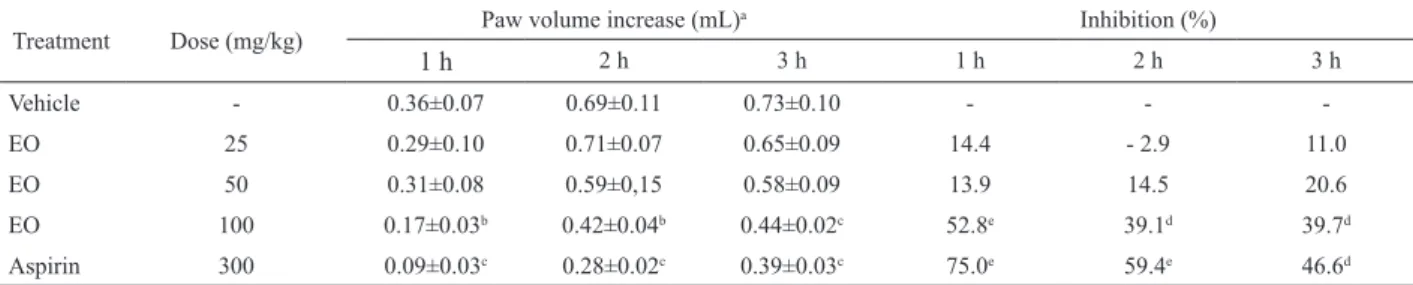
Table 4 shows that EO, in higher dose, inhibited
all three phases (52.8, 39.1, and 39.7% at dose 100 mg/kg) of the carrageenan-induced rat paw edema equally well, suggesting that the EO has a non-selective inhibitory effect on the release or actions of these mediators.
Table 2. Effect of EO or morphine on writhing induced by acetic acid.
Treatment Dose (mg/kg) Number of
writhingsa Inhibition (%)
Vehicle - 13.1±2.1
-EO 25 11.3±1.9 13.7
EO 50 6.3±1.6b 51.9e
EO 100 4.6±2.0c 64.9e
EO+NAL 100+1.5 10.7±2.8 18.3
MOR 3 0.7±0.2d 94.7f
MOR+NAL 3+1.5 11.8±2.4 9.9
NAL: naloxone; MOR: morphine; n=10; a Values represent mean±SEM. bp<0.05, cp<0.01 and dp<0.001 (ANOVA and Dunnett`s test), signiicantly
different from control; ep<0.01 and fp<0.001 (Fisher`s test), signiicantly
different from control.
Table 4. Inhibitory effect of EO or aspirin on carrageenan-induced paw edema in rats.
Table 3. Effect of EO or aspirin on formalin-induced pain.
Treatment Dose (mg/kg)
Number of licks (s)
0-5 min 15-30 min
Score of paina Inhibition (%) Score of paina Inhibition (%)
Vehicle - 48.4±4.3 - 144.0±20.2
-EO 25 40.9±3.9 15.5 98.6±25.6b 31.5d
EO 50 37.1±4.6 23.3 62.3±23.7b 56.7e
EO 100 38.9±6.7 19.6 19.9±7.4c 86.2f
Aspirin 200 41.4±9.7 14.5 45.9±29.6b 68.1e
n=10; aValues represent mean±SEM; bp<0.05 and cp<0.001 (one-way ANOVA and Dunnett`s test), signiicantly different from control; dp<0.05, ep<0.01 and fp<0.001 (Fisher`s test), signiicantly different from control.
0 5 10 15 20
* *
* *
25 50 100
EO (mg/kg) Vehicle
Dexa 2
Leukocyte x 10
6/mL
Treatment Dose (mg/kg) Paw volume increase (mL)
a Inhibition (%)
1 h 2 h 3 h 1 h 2 h 3 h
Vehicle - 0.36±0.07 0.69±0.11 0.73±0.10 - -
-EO 25 0.29±0.10 0.71±0.07 0.65±0.09 14.4 - 2.9 11.0
EO 50 0.31±0.08 0.59±0,15 0.58±0.09 13.9 14.5 20.6
EO 100 0.17±0.03b 0.42±0.04b 0.44±0.02c 52.8e 39.1d 39.7d
Aspirin 300 0.09±0.03c 0.28±0.02c 0.39±0.03c 75.0e 59.4e 46.6d
Rev. Bras. Farmacogn. Braz. J. Pharmacogn. 22(2): Mar./Apr. 2012 not prevent 2-deoxyribose degradation by a hydroxyl-generating system at any tested doses. However, at the concentration of 1 mg/mL, EO enhanced hydroxyl-mediated 2-deoxyribose degradation.
Discussion
Chrysopogon zizanioides (L.) Roberty, Poaceae,
is one of the most important raw materials in perfumery and has been used in folk medicine for the treatment
of inlammatory pain in Brazilian Northeast (oral communication) (Lima, 2010). The main goal of this
study was to evaluate the phythochemical screening,
antinociceptive and anti-inlammatory activities of C.
zizanioides essential oil (EO) in rodents.
GC-MS analysis of C. zizanioides EO exhibited a mixture of compounds similarly to a previous study of Weyerstahl et al. (2000a,b), Kim et al. (2005) and Adams et al. (2008). Among the odorous components in vetiver oils from different sources, khusimol, E-isovalencenol,
α-vetivone, vetiselinenol, α-cadinol and are the major
constituents, and their presence is often considered as the
ingerprint of the oil.
The irst test used for pharmacological evaluation
was the writhing test. Past studies have postulated that the acetic acid acts indirectly by inducing the release of endogenous mediators which stimulate the nociceptive
neurons sensitive to nonsteroidal anti-inlammatory drugs
(NSAIDs) and opioids (Fischer et al., 2008). Although abdominal writhing induced by acetic acid represents a peripheral nociception model (Wei et al., 1986) and is normally used for screening synthetic and natural
compounds, this is not a speciic model, since several
compounds, including opioid analgesics (Gomes et al., 2005) tricyclic antidepressants (Carter & Sullivan, 2002) and antihistaminic compounds (Koster et al., 1959) inhibit acetic acid induced writhing. Based in our result, it can be assumed that the mode of action of this activity might involve a peripheral mechanism.
The formalin test has an advantage over other
frequently used tests as it involves a biphasic response with an early and a late phase representing neurogenic
and inlammatory pain and agents can be screened for
activity in these two models of pain (Hunskaar and Hole, 1987). Neither EO or aspirin (200 mg/kg) decreased the paw licking time during the neurogenic (0-5 min) phase
1. However, the inlammatory phase (late phase) was signiicantly inhibited by aspirin and by EO. Moreover, the
hot plate test checked a possible central antinociceptive
effect of the EO since this is considered a speciic test for
central pain analysis. EO did not interfere with nociception in this test (data not shown).
Previous studies suggested that the CNS
depression and the nonspeciic muscle relaxation effect
can reduce the response of motor coordination and
consequently might invalidate the nociceptive behavioral tests results (Gonçalves et al., 2008). We did not see any interference with the motor coordination of the animals in
the rota-rod test, therefore eliminating a nonspeciic muscle
relaxation effect of EO at the doses used. Various mediators
are released by carrageenan in the rat paw. Thus, while
the initial phase may be due to the release of histamine and serotonin, kinins may play a role in the middle phase (Di Rosa and Sorrentino, 1968) and prostaglandins could
be the most important mediators in the inal 3-5 h
post-carrageenan response (Vinegar et al. 1969).
Corroborating the relevant anti-inlammatory
activity of EO, we observed that the leukocyte migration to peritoneal cavity was strongly reduced by the all doses of EO. According to Bradley et al. (1982) the cell migration
inhibition in models of inlammation has been considerated a convincing indicator of anti-inlammatory activity. The
ability of the EO, in this study, to suppress abdominal writhes, inhibit the second phase of formalin induced pain
as well as suppress the carrageenan- induced inlammation conirms the analgesic and anti-inlammatory activities of
the EO.
The lipoperoxidation and hydroxyl-scavenging
activity assays showed that EO does not act as an antioxidant, since EO was not able to prevent the lipoperoxidation damage to an lipid enriched system where a free radical source (AAPH) is added; besides, EO was also ineffective in prevent the degradation of 2-deoxyribose by hydroxyl radicals generated in vitro
through Fenton reaction. As a matter of fact, the highest concentration of EO tested further enhanced the damage caused by hydroxyl. Altogether these results indicate that the effects of EO observed in this and other studies are nor mediated by free radicals or by a possible antioxidant activity.
Based on our results it is possible to conclude that
EO has potential antinociceptive and anti-inlammatory
activities, which might involve a peripheral mechanism, such as, inhibiting the synthesis or action of prostaglandins. However, further studies will enable as to understand the precise action mechanisms and toxicity of this plant.
Furthermore, some studies attribute the
anti-inlammatory activity of vetiver oil to its secondary
metabolites, such as khusimol, E-isovalencenol,
α-vetivone, vetiselinenol, α-cadinol and β-vetivone
(Hammer et al., 1999; Güllüce et al., 2003).
Acknowledgements
We thank Mr Rangel R. Bonim for the technical support. This work was supported by grants from Conselho Nacional de Desenvolvimento Cientíico e Tecnológico/
References
Adams RP, Zhong M, Turuspekov Y, Dafforn MR, Veldkamp JF 1998. DNA ingerprinting reveals clonal nature of Vetiveria zizanioides (L.) Nash, Gramineae and sources of potential new germoplasm. Mol Ecol 7: 813-818. Adams RP 2007. Identiication of Essential Oil Components by
Gas Chromatography/Mass Spectroscopy. 4. ed. USA: Allured Publishing Corporation Carol Stream, IL. Adams RP, Nguyen S, Johnston, DA, Park S, Provin TL, Habte
M 2008. Comparation of vetiver root essential oils from cleansed (bacteria - and fungus-free) vs. non-cleansed (normal) vetiver plants. Biochem Syst Ecol 36: 177-182. Almeida RN, Navarro DS, Barbosa-Filho JM 2001. Plants with
central analgesic activity. Phytomedicine 8: 310-322. Bastos LF, Merlo LA, Rocha LT, Coelho MM 2007.
Characterization of the antinociceptive and anti-inlammatory activities of doxycycline and minocycline in different experimental models. Eur J Pharmacol 576: 171-179.
Bradley PP, Priebat DA, Christensen RD, Rothstein G 1982. Measurement of cutaneous inlammation: estimation of neutrophil content with an enzyme marker. J Invest Dermatol 78: 206-209.
Carter GT, Sullivan MD 2002. Antidepressants in pain management. Curr Opin Invest Dr 3: 454-458.
Di Rosa M, Sorrentino L 1968. The mechanism of the inlammatory effect of carrageenan. Eur J Pharmacol 4: 340-342.
Draper HH, Hadley M 1990. Malondialdehyde determination as index of lipid peroxidation. Meth Enzymol 186: 421-431.
Eddy NB, Leimbach D 1953. Synthetic analgesic. II. Dithienylbutenyl and dithienylbutyl amines. J Pharmacol Exp Ther 107: 385-393.
Elisabetsky E, Coelho-De-Souza GP, Santos MAC, Siqueira IR, Amador TA 1995. Sedative properties of linalool. Fitoterapia 66: 407-414.
Fischer LG, Santos D, Serain C, Malheiros A, Delle Monache F, Delle Monache G, Cechinel V-Filho, Souza MM 2008. Further Antinociceptive properties of extracts and phenolic compounds from Plinia glomerata (Myrtaceae) leaves. Biol Pharm Bull 31: 235-239.
Gomes PB, Oliveira MM, Nogueira CR, Noronha EC, Carneiro LM, Bezerra JN, Neto MA, Vasconcelos SM, Fonteles MM, Viana GS, de Sousa FC 2005. Study of antinoceptive effect of isolated fractions from Petiveria alliacea L. (tipi) in mice. Biol Pharm Bull 28: 42-46.
Gonçalves JCR, Oliveira FS, Benedito RB, De Sousa DP, Almeida RN, Araújo DAM, 2008. Antinociceptive activity of (-)-carvone: evidence of association with decreased peripheral nerve excitability. Biol Pharm Bull 31: 1017-1020.
Güllüce M, Sökmen M, Daferera D, Aar G, Özkan H, Kartal N, Polissiou M, Sökmen A, Ahin F S 2003. In vitro
antibacterial, antifungal, and antioxidant activities of the essential oil and methanol extracts of herbal parts and callus cultures of Satureja hortensis L. J Agr Food Chem 51: 3958-3965.
Hammer KA, Carson CF, Riley TV 1999. Antimicrobial activity of essential oils and other plant extracts. J Appl Microbiol 86: 985-990.
Hunskaar S, Fasmer OB, Hole, K 1985. Formalin test in mice, a useful technique for evaluating mild analgesics. J Neurosci Meth 14: 69-76.
Hunskaar S, Hole K 1987. The formalin test in mice: dissociation between inlammatory and noninlammatory pain. Pain
30: 103-114.
Kim HJ, Chen F, Wang X, Chung HY, Jin Z 2005. Evaluation of antioxidant activity of vetiver (Vetiveria zizanioides
L.) oil and identification of Its antioxidant constituents.
J Agr Food Chem 53: 7691-7695.
Koster R, Anderson M, de Beer J 1959. Acetic acid analgesic screening. Fed. Proc 18: 412-417.
Lima GM 2010. Avaliação pré-clínica do óleo essencial de Chrysopogon zizanioides (L.) Roberty (Poaceae). Dissertação de Mestrado em Ciências da Saúde, Universidade Federal de Sergipe, pp. 80.
Maistrello L, Henderson G, Laine R 2001. Eficacy of vetiver oil and nootkatone as soil barriers against Formosan subterranean termite (Isoptera: Rhinotermitidae). J Econ Entomol 94: 1532-1537.
Martinez J, Rosa PT, Menut C, Leydet A, Brat P, Pallet D, Meireles MA 2004. Valorization of Brazilian veiver (Vetiveria zizanioides L. Nahs ex Samll) oil. J Agr Food Chem 52: 6578-6584.
Massardo DR, Senatore F, Alifano P, Del Giudice L, Pontieri P 2006. Vetiver oil production correlates with early root growth. Biochem Syst Ecol 34: 376-382.
Nigam IC, Radecka C, Komae H 1968. Essential oils and their constitutents. XXXVII. Isolation and structure of khusenol, a new sesquiterpenic primary alcohol from oil of vetiver. J Pharm Sci 57: 1029-1030.
Oliveira JS, Porto LA, Estevam CS, Siqueira RS, Alves PB, Niculau ES, Blank AF, Almeida RN, Marchioro M, Quintans-Júnior LJ 2009. Phytochemical screening and anticonvulsant property of Ocimum basilicum leaf essential oil. Boletín Latinoamericano y del Caribe de Plantas Medicinales y Aromáticas 8: 195-202.
Payá M, Halliwell B, Hoult JRS 1994. Interactions of a series of coumarins with reactive oxygen species. Scavenging of superoxide, hypochlorous acid and hydroxyl radicals.
Biochem Pharmacol 44: 205-214.
Quintans-Júnior LJ, Souza TT, Leite BS, Lessa NMN, Bonjardim LR, Santos MRV, Alves PB, Blank AF, Antoniolli AR 2008. Phythochemical screening and anticonvulsant activity of Cymbopogon winterianus Jowitt (Poaceae) leaf essential oil in rodents. Phytomedicine 15: 619-624. Reanmongkol W, Matsumoto K, Watanabe H, Subhadhirasakul
Rev. Bras. Farmacogn. Braz. J. Pharmacogn. 22(2): Mar./Apr. 2012 of alkaloids extracted from the stem bark of Hunteria zeylanica.Biol Pharm Bull 17: 1345-1350.
Van den Dool H, Kratz PDJA 1963. Generalization of the retention index system including linear temperature programmed gas-liquid partition chromatography. J Chromatog 11: 463-471.
Veldkamp JF 1999. A revision of Chrysopogon Trin. including Vetiveria Bory (Poaceae) in Thailand and Malesia with
notes on some other species from Africa and Australia.
Austrobaileya 5: 503-533.
Vinegar R, Schreiber W, Hugo R 1969. Biphasic development of carrageenan edema in rats. J Pharmacol Exp Ther. 166: 96-103.
Wei ET, Kiang JG, Buchan P, Smith TW 1986. Cotticotrop in releasing factor inhibits neurogenic plasma extravasation in the rat paw. J Pharmacol Exp Ther 238: 783-787. Weyerstahl P, Weyerstahl H, Splittgerber U, Wolf D 2000a.
Analysis of the polar fraction of Haitian vetiver oil.
Flavour Fragr J 15: 153-173.
Weyerstahl P, Marschall H, Splittgerber U, Wolf D, Surburg H 2000b. Constituents of Haitian vetiver oil. Flavour Frag J 15: 395-412.
Winter CA, Riseley EA, Nuss GW 1962. Carrageenan-induced edema in the hind paw of the rats as an assay for anti-inlammatory drugs. Proc Soc Exp Biol Med 111: 544-547.
*Correspondence
Adriano Antunes de Souza Araújo
Departamento de Fisiologia, Curso de Farmácia, Universidade Federal de Sergipe
Av. Marechal Rondon sn, 49100-000, São Cristóvão-SE, Brazil [email protected]