w w w . s b f g n o s i a . o r g . b r / r e v i s t a
Original
Article
Anti-inflammatory
and
antinociceptive
activities
of
non-alkaloids
fractions
from
Aconitum
flavum
in
vivo
Yuanbin
Zhang
a,1,
Zhiheng
Shu
a,1,
Lei
Yin
a,
Ling
Ma
a,
Xinfang
Wang
a,
Xueyan
Fu
a,b,∗aSchoolofPharmacy,NingxiaMedicalUniversity,Yinchuan,China
bNingxiaEngineeringandTechnologyResearchCenterforModernizationofHuiMedicine,Yinchuan,China
a
r
t
i
c
l
e
i
n
f
o
Articlehistory:
Received21September2014 Accepted28November2014 Availableonline12February2015
Keywords: Aconitumflavum Anti-inflammatoryactivity Antinociceptiveactivity Non-alkaloids
a
b
s
t
r
a
c
t
AconitumflavumHand.-Mazz.,Ranunculaceae,hasbeenusedforthetreatmentofrheumatism,
trau-maticinjuryinfolkandclinicalmedicine,butthealkaloidshashightoxicity.Thisstudywasdesigned
toinvestigatetheacutetoxicity,anti-inflammatoryandantinociceptiveactivitiesofnon-alkaloids
frac-tionsfromA.flavuminrodents.Theanti-inflammatoryactivitywasevaluatedbyinflammatorymodels
ofdimethylbenzene-inducedearvasodilatationandaceticacid-inducedcapillarypermeability
enhance-menttestinmiceandcarrageenan-inducedpawedemainratswhereastheantinociceptiveactivitywas
evaluatedusingaceticacid-inducedwrithes,hotplatetestandformalintestinmice.Theresultshowed
thattheLD50valueofBtOHandEtOAcfractionscouldnotbedeterminedasnolethalitywasobservedup
to40g/kg(p.o.)inmice.BtOHfractionsignificantlydecreasedthedimethylbenzene-inducedear
vasodil-atation,carrageenan-inducedpawedemaandaceticacid-inducedcapillarypermeability.EtOAcfraction
onlysignificantlyattenuatedpawedemaandcapillarypermeabilityatthedoseof500mg/kg.In
antinoci-ceptivetest,BtOHandEtOAcfractionssignificantlyreducedthewrithingnumberevokedbyaceticacid
injectionandthelickingtimeinbothphasesoftheformalintest.MeanwhileBtOHandEtOAcfractions
hadsignificanteffectonhotplatetestafter90min.OurdataindicatethattheBtOHandEtOAcfractionsof
NAFarenotoxicity.BtOHandEtOAcfractionsnotonlyinhibitinflammatoryandperipheralinflammatory
painbutalsohavecentralantinociceptiveeffect.
©2014SociedadeBrasileiradeFarmacognosia.PublishedbyElsevierEditoraLtda.Allrightsreserved.
Introduction
TheAconitum consistingof over 300speciesare widely
dis-tributedinAsia,EuropeandNorthAmerica.Mostofthemgrow
amonghighaltitudesinthenorthernhemisphere.Thereare200
speciesgrowinChinasuchasAconitumkusnezoffiiReichb., Aconi-tumcarmichaelitheDebx.andAconitumflavumHand.–Mazz.(Xiao,
2006). In traditional Chinese medicine, Aconitum have similar
pharmacologicalactions and are commonly appliedfor various
inflammatory diseases, such as rheumatic fever, painful joints,
gastroenteritis, diarrhea, edema, bronchial asthma and various
tumors(Qinetal.,2012;Singhuberetal.,2009).However,with
theincreasingpopularity,Aconitumpoisoningcanoccurinmany
partsoftheworld.Becausethehighlytoxicandnarrowmarginof
∗ Correspondingauthorat:1160Shenglistreet,XingqingDistrict,YinchuanCity, Ningxia,China.
E-mail:[email protected](X.Fu).
1Theseauthorsequallycontributedtothismanuscript;bothshouldbeconsidered asfirstauthor.
safetybetweentherapeuticandtoxicdosesoftheseherbs.Lotsof researchesshowedthattheeffectsandseveretoxicityofAconitum aremainlyattributedtoalkaloids(Chan,2012;Singhuberetal., 2009).Aconitine,mesaconitine,hypaconitineandotheralkaloids havepotentcardiotoxinsandneurotoxinsfoundinallpartsofthe Aconitumspecies,especiallyinthetubersandroots.Patientswith Aconitumpoisoningoftenpresentwithacombinationof cardiovas-cular,neurological,gastrointestinalandothersignsandsymptoms. Theestimatedlethaldoseis2mgofaconitine,5mlofaconite tinc-ture(herbalmedicinalwine)and1goftherawaconiteplant(Chan, 2012;Qinetal.,2012).Facingthisdangeroussituation,theeffects ofnon-alkaloidsfractionareworthtoexplore,althoughthe
alka-loidsofAconitumspecieswerebeenseenasimportantcomponents
indiseasetreatment.ModernChinesemedicinetheoryhasbeen
suggested that thechemical constituents oftraditional Chinese
medicinearecomplexandmanydifferentkindsofchemical
com-positionsmaytreatthediseasesin similarwaybyadditiveand
synergyeffect(Tuetal.,2012;Xuetal.,2014a).Thistheoryurged ustoexploretheeffectsofnon-alkaloidsfractionfromAconitum.
A.flavumHand.-Mazz.fromthefamilyRanunculaceae,iswidely
usedinwesternChina(Shanxi,Ningxia,Gansu,InnerMongolia,
http://dx.doi.org/10.1016/j.bjp.2014.11.013
QinghaiandTibet).Ithasbeenusedforthetreatmentof rheuma-tism,traumaticinjuryandtoothacheinfolkandclinicalmedicine (Tingetal.,2008).Todate,ChinesemodernresearchaboutA.flavum
ismainlyconcentratedinpharmacologicalfunctionsandquality
controlofalkaloidsanddifferentprocessedproducts(thetoxicity
oftheseproductswasreducedbydecomposingthediester
diter-penealkaloidstotheless toxic monoesterditerpenealkaloids).
However,therehasbeenlittleresearchonanti-inflammatoryand
antinociceptiveactivityofnon-alkaloidsfractionsfromA.flavum. Theaimofthepresentstudyistoevaluatetheanti-inflammatory andanalgesiceffectsofnon-alkaloidsfractionsfromA.flavumin standardrodentmodelsofinflammationandpain.Additionally,we alsostudiedacuteoraltoxicityofthenon-alkaloidsfractions.These studieswillshowadirectionoffindinglowtoxiccompoundsfrom Aconitum.
Materialsandmethods
Herbalpreparationandextraction
TherootsofAconitumflavumHand.-Mazz.,Ranunculaceae,were
purchasedfromanHerbalMedicinalMaterialsCompanyofMingde
PharmaceuticalCo.,Ltd(Ningxia,China).ThePlantisgrowingin
Liupanmountain,Longde,Guyuan,Ningxia,China.Therootswere
harvestin AugusttoSeptember.Theplantsample was
authen-ticated by Lin Dong at PharmacognosyDepartment, College of
Pharmacy,NingxiaMedical University,and a voucherspecimen
wasdepositedinthesameunit(Herbariumnumber:20130924).
Sliceddriedroots(3.7kg)wereextractedthreetimeswith70% ethanol(massratioofsolidtoliquidwas1:10).Theextractwas
thencombinedandevaporatedtodrynessunderreducedpressure,
whichyielded925gcrudeextract.Thecrudeextractwasdissolved in20%(v/v)ethanolaqueous(2l),andthendilutedwithasolution (5000l)ofhydrochloricacid1%in20%ethanolaqueous.The001×7 strongacidpolystyrenecationexchangeresin(AnhuiSanxingResin
TechnologyCo., Ltd.,China) wereselectedforfurtherwork.The
samplesolutionwasabsorbed incolumnwitha20ml/min flow
rate.Thencolumn waswashed with deionizedwater until the
effluentwascolorless.ThecombinedeffluentwasadjustedtopH
7witha solution ofsodiumhydroxide and evaporated using a
rotaryevaporatortogiveanon-alkaloidsfraction(NAF).TheNAF wasthensuspendedindistilledwaterandsuccessivelypartitioned withpetroleumether,ethylacetate(EtOAc)andn-butanol(BtOH) toyieldEtOAc(18.25g)andBtOH(77.33g)fractions,aswellasan H2Oresidue.
Estimationofthetotalphenolic,flavonoidandsaponincontent
The total amount of phenolic and flavonoid contents were
determinedinEtOAcandBtOHfractionsusingtheFolin–Ciocalteu
colorimetricmethodandaluminum chloridecolorimetricassay,
respectively.Thepercentageoftotalphenoliccontentexpressedas
gallicacidequivalentsforEtOAcandBtOHfractionswere15.08%
and3.05%,respectively.ButtherehavenoflavonoidinNAF.In addi-tion,thesaponinsweremeasuredbyvanillin–perchloricacidassay. Thesaponincontentsexpressedasoleanolicacidequivalentswere 9.37and3.83%respectively.
Drugsandchemicals
The following drugs and chemicals were used: acetic acid,
dimethylbenzeneandformaldehydesolutionwerepurchasedfrom
DamaoChemicalCompany(Tianjin,China).Carrageenan(BR;no.
Q1555)wasfromShanghai WanjiangBiologicalTechnologyCo.,
Ltd.Indomethacin(no.A130602)wasobtainedfromShanxi
Yun-pengPharmaceuticalCo.,Ltd.Evansblue(no.E2129)waspurchased
fromSigmaCo.,Ltd.ThefractionsofNAFweresuspendedinwater
with0.5%(w/v)sodiumcarboxylmethylcellulose(Na-CMC).
Animalpreparation
Theanimalsusedinthisstudy,includingICRmice(18–22g;
LicenseNo.:SYXK(NING)2011-0001)and Sprague-Dawleyrats
(180–220g;LicenseNo.:SCXK(NING)2012-0001)werepurchased
fromtheExperimentalAnimalCenterofNingxiaMedical
Univer-sity(Ningxia,China).Theyweremaintainedinstandardlaboratory
cages,in moderatehumidity(50±5%),at constanttemperature
(22±1◦C)ina 12-hlight–dark cycleroom.Allanimalshadfree
access to foodand water during the experimental period. The
experiment protocolwas approvedby theEthics Committeeof
NingxiaMedicalUniversity,Ningxia(Ethicsapproval:2013-146).
Toxicitystudy
Theacutetoxicitystudyofthenon-alkaloidsfractionswas
per-formedaccordingtoOECDguidelines(2011).TheEtOAcandBtOH
fractionswassuspendedinwaterwith0.5%(w/v)sodiumcarboxyl
methylcellulose(Na-CMC)inthedoseof120,1200,6000,20,000
and40,000mg/kgbodyweightwereorallyadministeredto
over-night-fasted,healthymice(n=8)andtheanimalswereobserved continuouslyfor24hformortality.
Anti-inflammatoryactivity
Dimethylbenzene(DMB)-inducedearvasodilatationassay
Thetestwascarriedoutaccordingtothepreviouslydescribed
method (Carlson et al., 1985). Mice of either sex were
ran-domly divided in eight groups (n=8 per group). Control
group, indomethacin (10mg/kg, positive group), EtOAc (500
and 250mg/kg),BtOH (500 and 250mg/kg) and H2O (500 and
250mg/kg)wereadministeredviaoralgavage.60minaftervia
gav-ageoftestsamples,themiceweretopicalapplied30lDMBto
bothinnerandoutersurfaceofrightear.Miceweresacrificedby cervicaldislocation30minlaterthentheearbiopsiesofbothears
wereobtainedwithapunch(adiameterof8mm)andweighed.
Weight-increase-rateoftherightearovertheleftoneindicated thevasodilatation.
Aceticacid-inducedvascularpermeability
Theaceticacid-inducedincreasedvascularpermeabilityinmice
was carried out using the reported technique (Whittle, 1964).
Briefly,groupingandadministrationwerethesameasmentioned
inearvasodilatationassay.60minafterviagavage,10ml/kgbody weightof2%Evansblueinnormalsalinesolutiontothetailvein thenapplied20ml/kgbodyweightof0.6%(v/v)aceticacid imme-diately (i.p.). 20minafter theadministration of aceticacid, the miceweresacrificedbycervicaldislocation.Theperitonealcavity
wasrinsedby10mlof saline. Thewashing solutionswere
col-lectedin centrifuge tubeand centrifugedat 1000×g for5min.
Thesupernatant wasmeasuredat 590nmby spectrometryand
theabsorbanceofEvansblueintheexudatesunder590nm
rep-resentedthecapillarypermeability.
Carrageenan-inducedpawedema
ThepawedemawasinducedaccordingtoWinteretal.(1962).
Animalofeachsexweredividedintosevengroupsofseveneach.
Theywerepretreatedorallywiththevehicle(0.5%,w/vsodium car-boxylmethylcellulose,controlgroup),EtOAc(500and250mg/kg),
BtOH (500and 250mg/kg), H2O(500mg/kg)and indomethacin
(10mg/kg,p.o.).After60min,edemawasinducedwiththe injec-tionof0.1mlof3%(w/v)freshlypreparedcarrageenansuspension
wasquantifiedbymeasuringthevolume (ml) displacedbythe
pawusingaplethysmometer(BeijingZhongshidichuangScience
andTechnologyDevelopmentCo.,Ltd,modelYLS-7C,China)at0,
1,2,3,4,5haftercarrageenaninjection.Theedemavolumewas expressedbythevariationinvolumebetweeneachtime(1,2,3,4 and5h)andbasaltime(0h).
Antinociceptiveactivity
Aceticacid-inducedwrithingresponse
Micewereusedaccordingtothemethodpreviouslyreported
(Kosteretal.,1959).Thedosesandtheroutesofadministration wereprovidedinearvasodilatationassay.60minafterthevia gav-age,theresponsestoan intraperitonealinjectionof acetic acid
solution,manifestingasacontractionoftheabdominalmuscles
stretchingofhindlimbs,werecountedcumulativelyafter5min
ofstimulusoveraperiodof20min.Nociceptionwasinducedby
intraperitonealinjectionof0.6%aceticacidsolutionatthedoseof
20ml/kgbodyweight.
Formalintest
Formalin-inducednociceptionwasinducedinmiceaccording
toapreviouslydescribedprocedure(Hunskaaretal.,1985).A
vol-umeof20lof a 2.5%formalin solutioninsalinewasinjected
intraplantarly(i.pl.)intheplantarsurfaceoftherighthindpaw tomice.Afterformalininjection,themicewereindividuallyplaced
inaglasscylinderof22cmdiameterandwereobservedfrom0
to5min(neurogenicpain response)and 15–30min
(inflamma-torypainresponse).Thetimespentlickingtheinjectedpawwas
recordedwithachronometerforbothphasesandconsideredas
indicativeofnociception.Theanimalswerepretreatedwithoral
dosesofvehicle,indomethacin,EtOAc(500and250mg/kg),BtOH
(500and250mg/kg)andH2O(500and250mg/kg)60minbefore
formalinadministration.
Hotplatetest
Miceweresubjectedtothehot platetest(MacDonaldetal.,
1946;SahleyandBerntson,1979).Aglasscylinderwasplacedona hot-platewithadjustabletemperature.Thetemperatureofthe hot-platewasthenregulatedto55±1◦C.Thefemalemicewithbaseline latenciesofmorethan20swereeliminatedfromthestudyandthe
cut-offtimeof40swasfixedtoavoiddamagetothepaws.Each
mousewasplacedintheglassonthehot-plateinordertoobtain
theanimal’sresponsetoheat-inducednociceptivepainstimulus
(linkingofthehindpaws,jumpingorshaking).Thereactiontimes obtainedat0,30,60,90and120minpriortoviagavageofvehicle anddrugs.
Statisticalanalysis
The results were analyzed using a statistical program SPSS
Statistics, version17.0. One-way ANOVAfollowed byDunnett’s
testwasusedfor determiningthestatisticallysignificant differ-encesbetweenthevaluesofvariousexperimentalgroups.Dataare expressedasmeans±SDandp<0.05wasconsideredstatistically significant.
Results
Acutetoxicitystudies
TheEtOAcandBtOHfractionsfromNAFatvariousdoselevels
didnotshowanymortality,anymorbidsymptomsordeleterious
effectsevenatthehighestdose(40g/kg,orally).TheLD50valueby
*
*
*
1510
5
0
Edema (mg)
Control Indometacin
BtoH (500 mg/kg)BtoH (250 mg/kg)EtoAc (500 mg/kg)EtoAc (250 mg/kg) H2 O (250 mg/kg) H2O (500 mg/kg)
Fig.1. EffectsoforalpretreatmentwithBtOH(500and250mg/kg),EtOAc(500and 250mg/kg),H2O(500and250mg/kg)orindomethacin(10mg/kg)onDMB-induced earvasodilatation.Theresultofearedemarepresentsmean±SD(n=8).Differences betweenthegroupsweredeterminedbyanANOVAfollowedbyDunnett’stest. *p<0.05,**p<0.01whencomparedtothecontrolgroup.
oralroutecouldnotbedeterminedasnolethalitywasobservedup to40g/kginmice.
Anti-inflammatoryeffectsonDMB-inducedearvasodilatation
TreatmentwithBtOH(500and250mg/kg)1hbeforeapplied
DMBinmiceearssignificantly(Fig.1;p<0.05)inhibitedtheedema
formationwhencomparedtothecontrolgroup.Dose-dependent
mannerwasobserved atBtOH groups.BtOH groupat thedose
of500mg/kgcouldremarkablydecreasethevasodilatationwith
inhibitionrateover50%.
Anti-inflammatoryeffectsonaceticacid-inducedvascular permeabilityenhancement
Fig.2showedacid-inducedvascularpermeabilityenhancement
wassignificantly(p<0.05,compared tocontrolgroup)inhibited
inmicepretreatedorallywithBtOHfractionandEtOAcfraction
**
**
*
Control Indometacin
BtoH (500 mg/kg)BtoH (250 mg/kg)EtoAc (500 mg/kg)EtoAc (250 mg/kg)H2O (500 mg/kg)H2O (250 mg/kg)
3
2
1
0
Absorbance of e
vance b
lue
* *
* *
* *
*
* * **
*
* * *
*
* *
** *
0.55
0.50
0.45
0.40
0.35
0.30
0.25
0.20
0.15
0.10
0.05
0.00
1 2 3 4 5
Time (h)
Edema v
o
lume (ml)
Control Indometacin
BtoH (500 mg/kg) BtoH (250 mg/kg)
EtoAc (500 mg/kg) EtoAc (250 mg/kg)
H2O (500 mg/kg)
Fig.3.Anti-inflammatoryactivityofBtOH(500and250mg/kg),EtOAc(500and250mg/kg),H2O(500mg/kg)orindomethacin(10mg/kg)incarrageenaninducedhindpaw edema.ResultswereobtainedbyoraladministrationofNAFfractions,indomethacinandvehicle.Eachvaluerepresentsthemean±SDofresultsfromsevenrats.Differences fromthecontrolgroupweredeterminedbyANOVAfollowedbyDunnett’stest.*p<0.01.
(500mg/kg,p.o.),withaninhibitionof32.13and27.30%,
respec-tively.The standard drug reference indomethacinresulted in a
significantreduction(39.46%)ofthecontrolnumber.
Anti-inflammatoryeffectsoncarrageenan-inducedpawedema
TreatmentofanimalswithBtOHfractions(500,250mg/kg,p.o.) andEtOAcfraction(500mg/kg)1hbeforeinjectionofcarrageenan significantly (Fig. 3; p<0.01) inhibited theedema formation at
1–5h when compared to control group. But EtOAc fraction at
doseof250mg/kgonlysignificantlydecreasedtheedemaat1h.
Indomethacin(10mg/kg,p.o.)alsoproducedasignificant
inhibi-tionofthecarrageenan-inducedpawedemaat1,2,3,4and5h
whencomparedtocontrol(Fig.3;p<0.01).
Anti-nociceptiveactivityonaceticacid-inducedwrithes
Intheaceticacid-inducedwrithingmice(showninFig.4),EtOAc
fractions(250–500mg/kg,p.o.)evokeda dose-dependent
inhibi-tion,theinhibitorypercentageof44.67%and28.11%,respectively. Alldoses of EtOAc fractions significantly (p<0.01 and p<0.05) inhibitedthefrequencyinducedabdominalconstrictionsbyacetic
acidwhencomparedtothecontrolgroup.TreatmentwithBtOH
fractionatdoseof500mg/kgalsoshowedantinociceptiveeffectin comparisonwiththecontrol(p<0.01).
Anti-nociceptiveactivityonformalintest
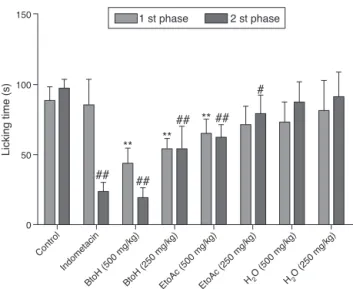
Fig. 5 shows that both first (neurogenic pain) and second
(inflammatorypain)phasesofformalin-inducednociceptionwere
significantly(p<0.01,comparedtocontrolgroup)inhibitedinmice pretreatedorallywithBtOH fractions(500,250mg/kg, p.o.)and
EtOAcfraction(500mg/kg).EtOACfractionatdoseof250mg/kg
only significantly (p<0.05) inhibited the nociception at second
Control Indometacin
BtoH (500 mg/kg)BtoH (250 mg/kg)EtoAc (500 mg/kg)EtoAc (250 mg/kg)H2O (500 mg/kg)H2O (250 mg/kg)
60
40
20
0
Number of wr
ithes
**
**
**
*
Fig.4.EffectsoforalpretreatmentwithBtOH(500and250mg/kg),EtOAc(500 and250mg/kg),H2O(500and250mg/kg)orindomethacin(10mg/kg)onacetic acid-inducedwrithinginmice.Eachvaluerepresentsmean±SD(n=8).*p<0.05, **p<0.01whencomparedtothecontrolgroup.
phasecomparedtocontrolgroup.Theinhibitionswere50.8and
80.3%inBtOH groupat thedoseof500mg/kg,forthefirstand
secondphases,respectively.Incontrast,indomethacin(10mg/kg, p.o.)onlysignificantlyreducedtheinflammatory(75.8%)phaseof
formalin-inducednociception.
Anti-nociceptiveactivityonhotplatetest
In thehotplate test,theresultspresented in Fig.6showed
thatsignificant(p<0.01andp<0.05)antinociceptiveeffectinBtOH
fractionandEtOAcfractiongroups(500mg/kg)at90and120min
## ## ## ** **
** ## #
Control Indometacin
BtoH (500 mg/kg)BtoH (250 mg/kg)EtoAc (500 mg/kg)EtoAc (250 mg/kg) H2 O (250 mg/kg) H2O (500 mg/kg) 150
100
50
0
Licking time (s)
1 st phase 2 st phase
Fig.5. TheantinociceptiveactionofBtOH(500and250mg/kg),EtOAc(500and 250mg/kg)and H2O(500and250mg/kg)onbothfirst (0–5min)andsecond (15–30min)phasesoftheformalin-inducednociception.Eachvaluerepresents mean±SD(n=8).*p<0.05,**p<0.01byanANOVAfollowedbyDunnett’stest com-paredtocontrolgroupatfirstphase.#p<0.05,##p<0.01byanANOVAfollowedby Dunnett’stestcomparedtocontrolgroupatsecondphase.
Discussion
The toxicity of alkaloids from Aconitum flavum Hand.-Mazz,
Ranunculaceae,hasmadeusworried,sotoobtainnatureproducts
withfavorableeffectsandlowtoxicityfromA.flavumbecomea
meaningfulresearchdirection.Inordertorealizethisobjective,we studiedthenon-alkaloidsfractionsfromthis herb.Inourstudy,
001×7 strongacidpolystyrenecation exchange resin which is
alow cross-linkingresinandhasporousstructure wasselected
forpreparingNAF.Thisresinmaybebeneficialtoadsorbalkaline highmolecularweightcomponentssuchasionsofalkaloids(Yang andKong,2009).Theionsofalkaloidswereretainedin
chromato-graphiccolumn,butthenon-alkaloidsfractionscouldbewashed
usingdeionizedwater.Inourstudy,nodeathsorseriousclinical signsinbothEtOAcandBtOHfractionsatthehighestdoseof40g/kg (thisdoseismuchhigherthanthedoseoftreatment)inacute tox-icitystudy.Althoughtheevidenceofriskinlongeruseisunknown, buttheacutetoxicresultssufficientlysupportthefactthatBtOH andEtOAcfractionsofNAFhavenotoxicity.
Xylene-induced ear edema in mice is a preliminary and
simple acute inflammationmodel forevaluating potential
anti-inflammatoryagents(Chengetal.,2005).Earedemamayinvolve
inflammatory mediators such as histamine, kinin, fibrinolysin,
phospholipaseA2andPLA2.Thesemediatorsinduceedemaby
pro-motingvasodilationandincreasingvascularpermeability(Lietal., 2011;Xuetal.,2014b).TheBtOHfractionofNAFwasabletoreduce
inflammationinthismodelandaceticacid-inducedvascular
per-meability enhancementmodel. Theseresultssuggest thatBtOH
fractionmayinterferewiththeactionsofinflammatorymediators
and producetheanti-inflammatoryeffect.Carrageenan-induced
paw edema is a largely used test for screening both steroidal
anti-inflammatorydrugsandNSAID.Theinflammatoryresponse
involvesthreephasesthroughsequentialreleaseofseveral medi-ators.The earlyphase (thefirst 90min) involvestherelease of
histamineandserotonin;thesecondphase(90–150min)is
medi-atedbykininandthethirdphase(after180min)ismediatedby
prostaglandin(DiRosaet al.,1971).Theresultsfromthis study
suggestthattheBtOHandEtOAcfractionsofNAFpossiblyactby
inhibitingthereleaseoractionofhistamine,serotoninandkinin
andprostaglandinoftheedemadevelopment.
TheanalgesicactivityofNAFfractionsinthisstudywas inves-tigatedusingtheabdominalwrithing,formalinandhotplatetests
inmice.Thewrithingmodelinducedbyaceticacidinmicewas
* * ** **
Control
BtoH (500 mg/kg)
BtoH (250 mg/kg)
EtoAc (500 mg/kg)
EtoAc (250 mg/kg)
H2O (500 mg/kg)
H2O (250 mg/kg)
0 30 60 90
120
Time (min) 30
25
20
15
10
5
Latency time (s)
commonlyconsideredasclassicalperipheralinflammatory pain
animal modelfor evaluation of analgesticor anti-inflammatory
drugs(Negusetal.,2006).Theperipheralanalgesicisduetothe
liberationofseveralinflammatorymediatorssuchasbradykinin,
substanceP,prostaglandinsandcyclo-oxygenases,lipoxygenases,
aswellassomecytokinessuchasIL-1,TNF-␣and IL-8(Ikeda etal.,2001;RibeiroandPoole,2000).Thehotplatetesthasbeen foundsuitabletoevaluatecentrallyantinociceptive(Hiruma-Lima etal.,2000).Inordertofurtherclarifytheantinociceptiveeffect ofNAFfractions,theformalintestwascarriedout.Thismodelis validlyusedinanalgesiaresearch(Tjølsenetal.,1992),itinvolves twophases(Zakariaetal.,2008).Thefirstphase(0–5min)is
char-acterizedby neurogenicpain caused by a direct stimulation of
nociceptors.SubstanceP andbradykinin arethoughtto
partici-pateinthisphase(HunskaarandHole,1987).Thesecondphase
(15–30min)is characterizedbyinflammatorypain,a processin
whichseveralinflammatorymediatorsarebelievedtobeinvolved,
including histamine, serotonin, prostaglandins and bradykinin
(Tjølsenetal.,1992).Ingeneral,centrallyactingdrugsinhibitboth phasesequally,whileperipherallyactingdrugsinhibitthesecond phase(Xuetal.,2014b).AspresentedinFig.5,theBtOHandEtOAc
fractionsofNAFsuppressedthepainintwo phases.Theresults
obtainedfromthe formalin test were thereforein good
agree-mentwiththeresultsfromthehot-platetestandwrithingtest,
therebyindicatingthatBtOHandEtOAcfractionsofNAFhad
cen-tralandperipheralanalgesicproperty.Theseresultsobtainedfrom
inflammationandpainanimalmodelconfirmthatBtOHandEtOAc
fractionscouldinhibitionoftheproductionofinflammatory medi-atorssuchashistamine,serotonin,prostaglandinsandbradykinin.
Although this research obtained meaningful results, it still
existed many problems worth us thinking and improving. The
chemicalcompositionsofBtOHandEtOAcfractionsarenotvery
clear.Togetherwithpreviousstudies,theconstituentsofAconitum alsoincludeflavonoids,phenolicacidsandsaponinsbesides alka-loids(Shresthaetal.,2006;Wuljitegusetal.,2008).Theflavonoids,
saponinsandphenolicacidsinthosetwoNAFfractionswere
ana-lyzedbyultravioletspectrophotometryinourstudy.Noflavonoids wereidentifiedinthosetwofractions.Howeverthephenolicacids
andsaponinsgave a15.08and 9.73percentinEtOAcfractions.
Atthesametime,thephenolicacidsandsaponinspercentageof
BtOHfractionwere3.05%and3.83%.Withreferencetotheresults
thatEtOAcandBtOHfractionsofNAFhaveanti-inflammatoryand
antinociceptive effects at highdose, we can speculate that the
anti-inflammatoryandantinociceptiveeffectsofEtOAcandBtOH
fractionsmaybeattributedtochemicalcomponentswithlow
con-centration,suchasphenolicacidsandsaponins.
Authors’contributions
YZ, ZS and YL contributed in collecting plant samples and
running the laboratory work. LM contributed to estimation of
thechemicalcomposition.LYcontributedinanalysisofthedata.
YZwrotemanuscript.XW contributed tocritical reading ofthe
manuscript.XFdesignedthestudy,supervisedthelaboratorywork andcontributedtothecriticalreadingofthemanuscript.Allthe
authorshavereadthefinalmanuscriptandapprovedsubmission.
Conflictofinterest
Theauthorshavedeclaredthatthereisnoconflictofinterest.
Acknowledgements
ThisworkwassupportedbygrantsformtheNational
Natu-ralScienceFoundationofChina(ProjectNo.81102892)andKey
Technologies Research and Development Program of Ningxia
(ProjectNo.170).
References
Carlson,R.P.,O’Neill-Davis,L.,Chang,J.,Lewis,A.J.,1985.Modulationofmouseear edemabycyclooxygenaseandlipoxygenaseinhibitorsandotherpharmacologic agents.AgentsActions17,197–204.
Chan,T.Y.,2012.Aconitumalkaloidcontentandthehightoxicityofaconitetincture. ForensicSci.Int.222,1–3.
Cheng,W.,Li,J.,You,T.,Hu,C.,2005.Anti-inflammatoryandimmunomodulatory activitiesoftheextractsfromtheinflorescenceofChrysanthemumindicumLinne. J.Ethnopharmacol.101,334–337.
DiRosa,M.,Giroud,J.P.,Willoughby,D.A.,1971.Studiesonthemediatorsofthe acuteinflammatoryresponseinducedinratsindifferentsitesbycarrageenan andturpentine.J.Pathol.104,15–29.
Hiruma-Lima,C.A.,Gracioso,J.S.,Bighetti,E.J.B.,2000.Thejuiceofthefreshleaves
ofBoerhaaviadiffusa L. (Nyctaginaceae)markedlyreducespain inmice.J.
Ethnopharmacol.71,267–274.
Hunskaar,S.,Berge,O.G.,Hole,K.,1985.Formalintestinmice,ausefultechniquefor evaluatingmildanalgesics.J.Neurosci.Methods14,69–76.
Hunskaar,S.,Hole,K.,1987.Theformalintestinmice:dissociationbetween inflam-matoryandnon-inflammatorypain.Pain30,103–114.
Ikeda,Y.,Ueno,A.,Naraba,H.,Oh-ishi,S.,2001.Involvementofvanilloidreceptor VR1andprostanoidsintheacid-inducedwrithingresponsesofmice.LifeSci. 69,2911–2919.
Koster,R.,Anderson,M.,Debeer,E.J.M.,1959.Aceticacidforanalgesicscreening. Fed.Proc.18,412–418.
Li,Y.C.,Xian,Y.F.,Ip,S.P.,Su,Z.R.,Su,J.Y.,He,J.J.,Xie,Q.F.,Lai,X.P.,Lin,Z.X.,2011. Anti-inflammatoryactivityofpatchoulialcoholisolatedfromPogostemonisHerbain animalmodels.Fitoterapia82,1295–1301.
MacDonald,A.D.,Woolfe,G.,Bergel,F.,Morrison,A.L.,Rinderknecht,H.,1946. Anal-gesicactionofpethidnederivativesandrelatedcompounds.Br.J.Pharmacol.1, 4–14.
Negus,S.S.,Vanderah,T.W.,Brandt,M.R.,Bilsky,E.J.,Becerra,L.,Borsook,D.,2006. Preclinicalassessmentofcandidateanalgesicdrugs:recentadvancesandfuture challenges.J.Pharmacol.Exp.Ther.319,507–514.
Qin,Y.,Wang,J.B.,Zhao,Y.L.,Shan,L.M.,Li,B.C.,Fang,F.,Jin,C.,Xiao,X.H.,2012. Establishmentofabioassayforthetoxicityevaluationandqualitycontrolof
Aconitumherbs.J.Hazard.Mater.199–200,350–357.
Ribeiro,R.A.,Vale,M.L.,Thomazzi,S.M.,Paschoalato,A.B.,Poole,S.,Ferreira,S.H., Cunha,F.Q.,2000.Involvementofresidentmacrophagesandmastcellsinthe writhingnociceptiveresponseinducedbyzymosanandaceticacidinmice.Eur. J.Pharmacol.389,111–118.
Sahley, T.L., Berntson, G.G., 1979. Antinociceptive effects of central and sys-temicadministrationofnicotineintherat.Psychopharmacology(Berl.)65, 279–283.
Shrestha,B.B., Dall’Acqua,S., Gewali,M.B., Jha,P.K.,Innocenti,G.,2006. New flavonoid glycosides from Aconitum naviculare (Bruhl) Stapf,a medicinal herbfromthetrans-HimalayanregionofNepal.Carbohydr.Res.341,2161– 2165.
Singhuber,J.,Zhu,M.,Prinz,S.,Kopp,B.,2009.AconitumintraditionalChinese medicine:avaluabledrugoranunpredictablerisk?J.Ethnopharmacol.126, 18–30.
Ting,W.,Donghai,X.,Haiyan,X.,Ping,S.,2008.AreviewofAconitumflavum Hand-Mazz.LishizhenMed.MateriaMedicaRes.19,2162–2163.
Tjølsen,A.,Berge,O.-G.,Hunskaar,S.,Rosland,J.H.,Hole,K.,1992.Theformalintest: anevaluationofthemethod.Pain51,5–17.
Tu,P.,Shi,S.,Jiang,Y.,2012.Strategiesandapproachesonexploringmaterialbasis ofChinesemateriamedica.Chin.Trad.HerbalDrugs43,209–215.
Whittle,B.A.,1964.Theuseofchangesincapillarypermeabilityinmiceto distin-guishbetweennarcoticandnonnarcoticanalgesics.Br.J.Pharmacol.Chemother. 22,246–253.
Winter,C.A.,Risley,E.A.,Nuss,G.W.,1962.Carrageenan-inducedoedemainhind pawoftheratasanassayforanti-inflammatorydrugs.Proc.Soc.Exp.Biol.Med. 111,544–547.
Wuljitegus,Gao,Y.,Huang,D.,Su,Y.,Liu,Z.,2008.Progressinstudiesonchemical constituentsofthegenusAconitum.J.Med.Pharm.Chin.Minorities4,68–72. Xiao,P.-G.,2006.ApharmacophylogeneticstudyofAconitumL.(Ranunculaceae)
fromChina.ActaPhytotaxon.Sin.44,1–46.
Xu,F.,Yang,D.,Shang,M.,Wang,X.,Cai,S.,2014a.Effectiveforms,additiveeffect, andtoxicitiesscatteringeffectofpharmacodynamicsubstancesofTraditional ChineseMedicines(TCMs).Somereflections evokedbythestudy onTCM MetabolicDisposition.WorldSci.Technol.:Mod.Tradit.Chin.Med.Mater.Med. 16,688–703.
Xu,Q.,Wang,Y.,Guo,S.,Shen,Z.,Wang,Y.,Yang,L.,2014b.Anti-inflammatory andanalgesicactivityofaqueousextractofFlospopuli.J.Ethnopharmacol.152, 540–545.
Yang,Y.,Kong,D.,2009.TheExtractionandSeparationTechnologyofTraditional ChineseMedicine.ChemicalIndustryPress,Beijing,pp.249–256.