Availableonlineatwww.sciencedirect.com
Revista
de
Administração
http://rausp.usp.br/ RevistadeAdministração52(2017)403–418
Finance
and
Accounting
Volatility
persistence
and
inventory
effect
in
grain
futures
markets:
evidence
from
a
recursive
model
Persistência
de
volatilidade
e
efeito
de
inventário
nos
mercados
de
futuros
de
grãos:
evidência
de
um
modelo
recursivo
Persistencia
de
volatilidad
y
efecto
de
inventario
en
los
mercados
de
futuros
de
granos:
evidencia
de
un
modelo
recursivo
Rodrigo
Lanna
Franco
da
Silveira
a,∗,
Leandro
dos
Santos
Maciel
b,
Fabio
L.
Mattos
c,
Rosangela
Ballini
aaUniversityofCampinas,Campinas,SP,Brazil bFederalUniversityofSãoPaulo,SãoPaulo,SP,Brazil
cUniversityofNebraska,Lincoln,NE,UnitedStates
Received10May2016;accepted29May2017
Availableonline8September2017
ScientificEditor:DanielReedBergmann
Abstract
Thepurposeofthispaperistoinvestigatethevolatilitypersistenceandtheinventoryeffectingrainfuturesmarketsduringtheperiodof1959–2014. Theinnovativenatureofthisstudyliesintheevaluationofrollingestimates,usingarecursiveunivariateTARCH(1,1)-in-meanvolatilitymodel. Thedailyevolutionofvolatilitypersistenceandtheinventoryeffectoncornandsoybeanfuturescontractsisanalyzedusingarollingwindowof 1008observationsoverfouryears.Ingeneral,theresultssuggestthattheconditionalvolatilityinbothmarketsishighlypersistent.Thereisalso evidenceofinventory,time-to-maturity,andseasonalityeffectsonthevolatilitydynamicsofcornandsoybeans.Inaddition,thefindingspointto alowershort-runvolatilitypersistenceinrecentyears,whichcausedaslightdecreaseinlong-runvolatilitypersistenceandthehalf-lifeperiodin bothmarkets.
©2017DepartamentodeAdministrac¸˜ao,FaculdadedeEconomia,Administrac¸˜aoeContabilidadedaUniversidadedeS˜aoPaulo–FEA/USP. PublishedbyElsevierEditoraLtda.ThisisanopenaccessarticleundertheCCBYlicense(http://creativecommons.org/licenses/by/4.0/).
Keywords:Pricevolatility;Volatilitypersistence;Inventoryeffect;Grainfuturesmarkets
Resumo
Nesteartigo,osautoresprocuraraminvestigarapersistênciadavolatilidadeeinventoryeffectnosmercadosfuturosdegrãosnoperíodoentre 1959e2014.Ainovac¸ãodoestudoconsistiunaaplicac¸ãodeummodelodevolatilidaderecursivoTARCH(1,1)comrolagemdasestimativasa partirdeumajaneladetempodequatroanos.Osresultadosapontaramparaumaaltapersistênciadavolatilidadecondicionalnosmercadosde milhoesoja.Alémdisso,observou-seapresenc¸adosefeitossazonalidade,inventoryetime-to-maturitynadinâmicadevolatilidadedosprec¸osde
∗Correspondingauthorat:Unicamp/InstitutodeEconomia,CP6135,sala68,CEP13085-970Campinas,SP,Brazil.
E-mail:[email protected](R.L.Silveira).
PeerReviewundertheresponsibilityofDepartamentodeAdministrac¸ão,FaculdadedeEconomia,Administrac¸ãoeContabilidadedaUniversidadedeSão
Paulo–FEA/USP.
https://doi.org/10.1016/j.rausp.2017.08.003
0080-2107/©2017DepartamentodeAdministrac¸˜ao,FaculdadedeEconomia,Administrac¸˜aoeContabilidadedaUniversidadedeS˜aoPaulo–FEA/USP.Published
ambosmercados.Verificou-seaindaumaquedanapersistênciadecurto-prazonoperíodorecente,oquelevouaumadiminuic¸ãodapersistência delongo-prazoedameia-vidanosmercadosemestudo.
©2017DepartamentodeAdministrac¸˜ao,FaculdadedeEconomia,Administrac¸˜aoeContabilidadedaUniversidadedeS˜aoPaulo–FEA/USP. PublicadoporElsevierEditoraLtda.Este ´eumartigoOpenAccesssobumalicenc¸aCCBY(http://creativecommons.org/licenses/by/4.0/).
Resumen
Elobjetivoenesteestudioesinvestigarlapersistenciadelavolatilidadyelefectodeinventarioenlosmercadosdefuturosdegranosenelperíodo de1959a2014.LainnovacióndeltrabajoconsisteenlaaplicacióndeunmodelodevolatilidadrecursivoTARCH(1,1)porestimación,enun períododecuatroa˜nos.Losresultadosindicanunaaltapersistenciadelavolatilidadcondicionalenelmercadodemaízysoja.Además,hay evidenciadeefectosdeinventario,tiempohastalaexpiraciónyestacionalidadenladinámicadelavolatilidaddelospreciosdeambosmercados. Tambiénsehaverificadounabajapersistenciadelavolatilidadacortoplazoenlosúltimosa˜nos,loquehacausadounacaídadelapersistencia delavolatilidadalargoplazo.
©2017DepartamentodeAdministrac¸˜ao,FaculdadedeEconomia,Administrac¸˜aoeContabilidadedaUniversidadedeS˜aoPaulo–FEA/USP. PublicadoporElsevierEditoraLtda.Esteesunart´ıculoOpenAccessbajolalicenciaCCBY(http://creativecommons.org/licenses/by/4.0/).
Palavras-chave: Volatilidade;Persistênciadavolatilidade;Inventoryeffect;Mercadofuturodegrãos
Palabrasclave: Volatilidad;Persistenciadelavolatilidad;Efectodeinventario;Mercadofuturodegranos
Introduction
Theanalysisofpricevolatilityinagriculturalmarketsplays an importantrole inthe decision-makingprocess.Price vari-ation influences decision-making in the case of production, marketing,andriskmanagementinagriculture.Highprice fluc-tuations affectproducer’s profitability, even when production isveryefficient.Theseeventsalsoaffectpolicymakers, espe-ciallyindevelopingcountries,sincepriceandvolatilitylevels impactfood security,balanceof trade,inflation rate,tax rev-enue,employment,GDP,andbusinesscycles.Additionally,in financial markets, price oscillations are relevant in portfolio allocationandderivativespricing (Ghoshray,2013;Naylor &
Falcon,2010).
During the 2000s, many agricultural commodities experi-enceda sharp andrapidriseinprice.While overthe second half of the 1970s and 1990s, in particular in the 1980s, theinflation-adjustedWorldBankagricultureindexdecreased 58%, a sharp price spike of around 40% occurred during 2005–2008.Agriculturalcommodities,suchascorn,wheat,and soybeansexhibitedapriceincreaseofmorethan60%overthis period.
Previousstudieshaveinvestigatedthefactorsunderlyingthis scenario.Severalexplanationsweregiven,suchasanincreasing demandforbiofuelfromgrainsandoilseeds,risingoilprices, agrowthindemandforcommodities(especiallyintheBRICS countries– Brazil,Russia,India,China, andSouthAfrica),a reduction insubsidiesforEuropean farmers, adverseweather conditions,lowinventorylevels,depreciationoftheU.S. dol-lar,andanincreaseinspeculativetransactionsincommodities futuresmarkets(Gilbert,2010;Headey&Fan,2008;Sumner,
2009).
Recentstudieshaveexploredthepricefluctuationsof agri-culturalcommoditiesinordertoverifytheexistenceofvolatility breaksinthefirstdecadeofthe2000s(Calvo-Gonzalez,Shankar,
& Trezzi, 2010; Gilbert & Morgan, 2010; Huchet-Bourdon,
2011;Sumner,2009;Vivian&Wohar,2012).Ingeneral,noclear
evidencewasfoundtosupporttheideathattherecentprice vari-ability wasunparalleled.However,two importantissueshave received relatively little attention, namely the persistence of pricevolatilityandtheleverageeffect(alsoknownasthe “inven-tory effect”,inthecaseofcommodities).Even ifagricultural markets are notexperiencing unprecedentedlevels of volatil-ity,itisstill crucialtounderstandhowlongittakesvolatility to revert toits previous level after a shock.In addition, it is importanttoverifytheasymmetryinthevolatilityprocess.In agriculturalmarkets,incontrasttoequitymarkets,positiveprice shocks(“badnews”)tendtohavealargerimpactonconditional variance thannegativepriceshocks(“goodnews”).This phe-nomenonisknownastheinventoryeffect(Carpantier,2010)and canbeexplainedbythestoragemodel.1 Volatilitypersistence andinventoryeffectsaffectagriculturalproducers’,buyers’,and traders’exposuretorisk,thusinfluencingriskmanagement oper-ations(Carpantier&Samkharadze,2013).Morebroadly,these issuesarerelevantforcountriesthatrelyheavilyonexportsand importsofagriculturalcommodities,aswellastoevaluate infla-tionary processes and formulate price stabilization programs
(Ghoshray,2013;Vivian&Wohar,2012).
This paper explores the volatility persistence and inven-toryeffectongrainfuturesmarketsoverthelastdecades.The research uses daily futures prices of two commodities (corn and soybeans). A recursive univariate TARCH(1,1)-in-mean volatility model is applied tocompute the daily evolution of the volatility persistence andthe inventory effectin terms of rolling estimates. Thus, the study investigates whether there havebeen changesinthesetwo measuresovertimeandtheir implicationsfor agriculturalmarkets.Thestudy alsoanalyzes
1Adecreaseinthecommodityinventorylevels,originatingfromascenario
ofsupplyshortagesand/ordemandexpansionrelatedtothiscommodity,tend
tocauseanincreaseinitsprice.Theinventoryeffectconsidersthatthereaction
tocommodityreturnsishigherforpositivepriceshocksthantonegativeshocks
R.L.F.Silveiraetal./RevistadeAdministração52(2017)403–418 405
otherdeterminantsofagriculturalcommodityvolatilityinmodel specification,suchasseasonalityandtime-to-maturity.
Previousstudies
Several empirical studies have employed different approaches to investigate the volatility dynamics in agri-cultural markets. These studies can be categorized into five maingroups.Thefirst oneevaluatedandcomparedpriceand volatility evolution between agricultural commodities and manufacturedgoods.Prebisch(1950)andSinger(1950)began this analysis and, more recently, other research has focused onprice volatility, such as Jacks, O’Rourke, andWilliamson
(2011),Arezki,Hadri,Loungani,andRao(2014)andArezki,
Lederman, and Zhao (2014). The second group of studies
analyzedtheimpactof commoditypricevolatilityonincome and welfare in developing countries (Bellemare, Barrett, &
Just,2013;Blattman,Hwang,&Williamson,2007;Naylor &
Falcon,2010;Rapsomanikis&Sarris,2008).
Athirdgroupofstudiescomparedcommodityprice volatil-itybetweenthefirstdecadeofthe21stcenturyandtheprevious decadesofthe20thcentury.Ingeneral,theresultsshowedthat pricevariabilityover2006–2010wasnothigherthanthe volatil-ityobservedin1970(Gilbert&Morgan,2010;Huchet-Bourdon,
2011).Calvo-Gonzalezetal.(2010)highlightedthreeperiodsof
relevantvolatilitybreaks–duringthetwoworldwarsandduring thetimewhentheBrettonWoodssystemcollapsed.Despitethe factthatthecommodityvolatilitylevelduringthe2000swasnot unparalleled,relevantspikeswereobservedfrom2005to2008. Consequently,anumberofworkshaveevaluatedthecausesof therisingvolatility,enumeratingfactorssuchasthefast expan-sionof biofuel production, increasingoil prices,depreciation of theU.S. dollar,lowerlevel of inventoriesandthe “finan-cialization”ofcommoditymarkets(Arezki,Loungani,Ploeg,&
Venables,2014;Balcombe,2009;Beckmann&Czudaj,2014;
Du,Yu,&Hayes,2011;Mensi,Beljid,Boubaker,&Managi,
2013;Nazlioglu,Erdem,&Soytas,2013;Power&Robinson,
2013;Serra,2011;Wright,2011).
Inaddition,afourthgroupofstudiesanalyzedthe determi-nants of agricultural commodity price volatility. Seasonality, time-to-maturity,2 inventory level, volatility persistence, day-of-the-week,futuresmarkettradingvolume,speculativeactivity, loanratelevel,pricelevel,amongothers,wereanalyzedinorder toverifytheirinfluenceonagriculturalcommodityprice fluc-tuation. Table1 present asummaryof thisliterature andthe followingparagraphsaddresstherecentstudies.
A numberof works have identified seasonality and time-to-maturityasimportantdeterminantsofagriculturalvolatility.
2 Thetime-to-maturityeffectisalsoknownastheSamuelsoneffect.According
totheSamuelsonhypothesis,futurespricevolatilitytendstoincreaseasthe
futurescontractmaturitydateapproaches.Whenafuturescontractapproachesits
expiration,“thepriceofanexpiringcontractmustvirtuallyequaltheprevailing
spotprice,nearercontractstendtorespondstronglytonewinformationsothat
thepriceofanexpiringfuturescontractwillconvergetothespotprice”(Milonas,
1986,p.445).
KalevandDuong(2008)andDuongandKalev(2008),using
intradaydata,verifiedthematurityeffectinagriculturalfutures markets.Inaddition,KaraliandThurman(2010)identifiedthe presenceof seasonalityandmaturityeffectsincorn,soybean, wheat,andoatsmarketsbetween1986and2007.Karalietal.
(2010) showed that the volatility of corn, soybean, and oats
futurespriceswasaffectedbytime-to-maturity,inventories,and progressofthecrop(with,ingeneral,ahigherpricefluctuation beforethebeginningoftheharvest).VermaandKumar(2010)
and Gupta and Rajib (2012) also contributed to this debate,
examining the time-to-maturity effect in Indian futures mar-kets.On onehand,Verma andKumar (2010)foundevidence of amaturityeffectinwheatandpepperfuturesmarkets. On theotherhand,GuptaandRajib(2012),focusing theanalysis oneightcommoditiesfuturesmarkets(includingwheatfutures contract),indicatedthatthefuturescontracttradingvolumehas ahighereffectonthevolatilitythantime-to-maturity.He,Yang,
Xie,andHan(2014)confirmedtheimportanceofthevolume
effectonpricevolatility, bystudying sixcommoditiesfutures marketsinChina.
Many studies have also indicated the inventory effect as a relevant factor that influences agricultural price variability.
Carpantier (2010) analyzed 15 commodity price series over
1994–2009 and found that there was an inventory effect in coffee, soybean, and wheat markets. A similar analysis was carried out by Carpantier and Dufays (2012), analyzing 16 commoditiesfrom1994to2011.Alloftheestimated asymmet-riccoefficientsforagriculturalmarkets(corn,cotton,soybean, sugar, wheat,andcoffee)werenegative,however,onlyinthe casesofsugarandcoffeeweretheparametersstatistically differ-entfromzero.StiglerandPrakash(2011)verifiedtwodistinct levels of unconditional volatilityin the wheatmarket, where one regime oscillated between 20 and 36 times higher than theotherregime.Theauthorsshowedthatthehighervolatility regime emergedwhen theUnitedStatesDepartmentof Agri-culture(USDA)forecastspointedtoalowinventorylevel(bad newsonstocks-to-disappearance).Conversely,whentheUSDA inventoryforecastsindicatednomarkettightness(positivenews onstocks-to-disappearance),therewasnoapparentrelationship betweenwheatpricesandinventorylevel.
Finally, thevolatilitypersistence of agricultural commodi-tieswasevaluatedbyafifthgroupofstudies.Balcombe(2009)
investigatedthefactorsthatdrovethevolatilityof19agricultural commoditiesoverthelastdecades.Henotonlyfoundevidence of ahighvolatilitypersistenceinallpriceseriesbutalsothat oilvolatility,inventory levels,andyieldsinfluenceprice vari-ability.VivianandWohar(2012)indicated,ingeneral,ahigh volatilitypersistenceconsidering28commodities(grains, ani-mals,metals,andenergy)overtheyears1985–2010.Ghoshray
(2013)alsoexaminedthevolatilitypersistenceof24commodity
pricesseriesduringthe1900–2008period.Theresultssuggested thatthevolatilitypersistencevariessignificantlyovertimeand between different products. Using a spline-GARCH model,
Karali andPower (2013)foundthat the volatilitypersistence
R.
L.
F.
Silveir
a
et
al.
/
Re
vista
de
Administr
ação
52
(2017)
403–418
Table1
Summaryofliteraturereviewsregardingthedeterminantsofagriculturalcommodityvolatility.
Reference Method Variables Period(data
frequency)
Seasonality effect
Time-to-maturity effect
Inventory effect
Trade effect
Speculative
activityeffect
Loanrate
effect
Pricelevel
effect
Volatility persistence
effect
Y N NS Y N NS Y N NS Y N NS Y N NS Y N NS Y N NS Y N NS
Rutledge (1976)
Statisticaltests Silver,cocoa,
wheatand
soybeanoil
1969–1971 (daily)
X X X X X X X X
Anderson (1985)
Testsfor
equalityof
variancesand
regression analysis
9commodity
futuresprices
(8agricultural)
1966–1980 (daily)
X X X X X X X X
Milonas (1986)
Testsfor
equalityof
variancesand
regression analysis
11futures
prices(5
agricultural)
1972–1983 (daily)
X X X X X X X X
Kenyon, Kling, Jordan, Seale,and McCabe (1987)
Regression analysis
Corn,soybean,
wheat,live
cattleandlive
hogfutures
prices
1974–1983 (daily)
X X X X X X X X
Glauberand Heifner’s (1986)
Regression analysis
Soybean
futuresprice
1961–1984 (daily)
X X X X X X X X
Streeterand Tomek (1992)
Regression analysis
Soybean
futuresprices
1976–1986 (daily)
X X X X X X X X
Khouryand Yourougou (1993)
Regression analysis
Canola,rye,
feedbarley,
feedwheat,
flaxseed,and
oatsfutures
prices
1980–1989 (daily)
X X X X X X X X
Bessembinder andSeguin (1993)
Regression analysis
8futures
prices(2
agricultural)
1982–1990 (daily)
X X X X X X X X
Yangand Brorsen (1993)
GARCHand
deterministic chaos processes
11futures
prices(7
agricultural)
1979–88 (daily)
R.
L.
F.
Silveir
a
et
al.
/
Re
vista
de
Administr
ação
52
(2017)
403–418
407
Table1
(Continued)
Reference Method Variables Period(data
frequency)
Seasonality effect
Time-to-maturity effect
Inventory effect
Trade effect
Speculative
activityeffect
Loanrate
effect
Pricelevel
effect
Volatility persistence
effect
Y N NS Y N NS Y N NS Y N NS Y N NS Y N NS Y N NS Y N NS
Hennessyand Wahl(1996)
Contingent claims methodology
Corn,
soybeansand
wheat
1985–94 (monthly)
X X X X X X X X
Kocagiland Shachmurove (1998)
Time-series analysis
16futures
prices(6
agricultural)
1980–1995 (daily)
X X X X X X X X
Malliarisand Urrutia (1998)
Time-series analysis
Corn,wheat,
oats,soybean,
soybeanmeal,
andsoybean
oil
1981–1995 (daily)
X X X X X X X X
Hudsonand Coble (1999)
GARCH models
Cottonfutures
prices (monthly)
1982–97 (monthly)
X X X X X X X
Goodwinand Schnepf (2000)
GARCHand
VARmodels
Cornand
wheatfutures
prices
1986–1997 (weekly)
X X X X X X X X
Allenand Cruick-shank (2000)
Regression
analysisand
ARCHmodels
12commodity
futuresprices
(9agricultural)
1979–1998 (daily)
X X X X X X X X
Chatrath, Adrangi, andDhanda (2002)
Chaostests Corn,
soybeans,
wheatand
cottonfutures
prices
1968–1995 (daily)
X X X X X X X X
Yang,Balyeat, and Leatham (2005)
Granger
causalitytests
Corn, soybeans,
wheat,sugar,
coffee,live
cattleand
cottonfutures
prices
1992–2001 X X X X X X X X
Smith(2005) Partially overlapping
timeseries
model
Cornfutures
prices
1991–2000 (daily)
R.
L.
F.
Silveir
a
et
al.
/
Re
vista
de
Administr
ação
52
(2017)
403–418
Table1
(Continued)
Reference Method Variables Period(data
frequency)
Seasonality effect
Time-to-maturity effect
Inventory effect
Trade effect
Speculative
activityeffect
Loanrate
effect
Pricelevel
effect
Volatility persistence
effect
Y N NS Y N NS Y N NS Y N NS Y N NS Y N NS Y N NS Y N NS
Daal,Farhat, andWei (2006)
Regression analysis
61futures
contracts(23
agricultural)
1960–2000 (daily)
X X X X X X X X
Duongand Kalev (2008)
Non-parametricand
regression-basedtests;
GARCH model
Tick-by-tick
andbid-ask
quoteprices
for20futures
markets(10
agricultural)
1996–2003 (intraday)
X X X X X X X X
Kalevand Duong (2008)
Nonparametric
testand
regression analysis
14futures
prices(10
agricultural)
1996–2003 (intraday)
X X X X X X X X X
Balcombe (2009)
Decomposition
andpanel
approaches
19agricultural
spotprices
Varies
(monthly–annual)
X X X X X X X X
Karaliand Thurman (2010)
GLS estimation
Corn,soybean,
wheat,and
oatsfutures
price
1986–2007 (daily)
X X X X X X X X
Karali, Dorfman, and Thurman (2010)
Smoothed Bayesian estimator
Corn,
soybeans,and
oatsfutures
prices
Varied(daily) X X X X X X X X
Carpantier (2010)
GJR-GARCH
andEGARCH
models
15commodity
spotprices(5
agricultural)
1994–2009 (daily)
X X X X X X X X
Vermaand Kumar (2010)
Regression analysis
Wheatand
pepperfutures
prices
2004–2007 (daily)
X X X X X X X X
Stiglerand Prakash (2011)
Markov regime-switching GARCH
16commodity
spotprices
1985–2009 (daily)
X X X X X X X X
Carpantierand Dufays (2012)
GJR-GARCH model
16commodity
spotprices(7
agricultural)
1994–2011 (weekly)
R.
L.
F.
Silveir
a
et
al.
/
Re
vista
de
Administr
ação
52
(2017)
403–418
409
Table1(Continued)
Reference Method Variables Period(data
frequency)
Seasonality effect
Time-to-maturity effect
Inventory effect
Trade effect
Speculative
activityeffect
Loanrate
effect
Pricelevel
effect
Volatility persistence
effect
Y N NS Y N NS Y N NS Y N NS Y N NS Y N NS Y N NS Y N NS
Vivianand Wohar (2012)
Iterative cumulative
sumofsquares
andGARCH
28 commodities (13 agricultural)
1985–2010 (daily)
X X X X X X X X
Guptaand Rajib (2012)
GARCH,
EGARCHand
TGARCH
8commodity
futuresprices
(1agricultural)
2008–2009 (daily)
X X X X X X X X
Ghoshray (2013)
Bootstrap methods
24commodity
spotprices(18
agricultural)
1900–2008 (annual)
X X X X X X X X
Karaliand Power (2013)
Spline-GARCH
modeland
SUR framework
11commodity
futuresprices
(5agricultural)
1990–2005 (daily)
X X X X X X X X
Khan(2014) GARCH model
Cottonfutures
prices
2001–2010 (weekly)
X X X X X X X X
Heetal. (2014)
Timeseries
analysis
Soybean,soy
meal,corn,
hardwheat,
stronggluten
wheat,and
sugar
Until June-2010 (daily)
X X X X X X X X
Dawson (2015)
GARCH model
Wheatfutures
market
1996–2012 (daily)
X X X X X X X X
Table2
Descriptivestatisticsofdailyreturnspercentageandabsolutepercentagedaily
returnsforsoybeansandcorn(July1959–December2014).
Soybeans Corn
Rt |Rt| Rt |Rt|
Observations(n) 13,977 13,977 13,980 13,980
Mean(%) 0.0242a 1.0157a −0.0064 0.9676a
Median(%) 0.0461 0.6993 0.0000 0.6676
Maximum(%) 12.5279 15.0626 8.6618 10.4088
Minimum(%) −15.0626 0.0000 −10.4088 0.0000
Std.deviation(%) 1.4586 1.0471 1.3868 0.9916
Skewness −0.2465 2.4103 −0.0213 2.1846
Kurtosis 7.9065 13.8311 6.6350 10.1911
Jarque–Berastat. 14,161.28 81,853.13 7697.60 41,242.95
aStatisticallydistinguishablefromzeroat10%.
persistence incotton and wheatfutures market, respectively.
Khan(2014)alsoverifiedthatcottonvolatilitywasimpactedby
stocks-to-useratio,pricelevel,andfuturesmarketconcentration. Overall, previous studies have found that the volatility increasedduringthe2000sfinancialcrisis,butthatit wasnot higher thanthe pricevariability verified in otherdecades. In addition,the researches, ingeneral, stated notonly the pres-enceofvolatilitypersistence,butalsotheevidenceofinventory, maturity, andseasonality effects onagriculturalprice fluctua-tions.Thepresentstudycontributedtothisdebatebyexploring theevolutionof theinventoryeffectandvolatilitypersistence rollingestimatesusing arecursiveunivariate TARCH(1,1)-in-meanvolatilitymodel.Theworkalsoevaluatestheinfluenceof seasonalityandtime-to-maturity.In thefollowingsection,the methodologyusedtoachievethesegoalsisdescribed.
Researchmethod
Accordingtotheliterature,futurespricesreturnsof agricul-tural commodities(Eq. (1))donot generallyfollowanormal distribution,giventhepresenceofnonzeroskewnessand kur-tosis greater than three (Isengildina, Irwin, & Good, 2006;
Karali, 2012). Thus, GARCH models are more suitable for
suchseries(Hováth&Sapov,2016;Pockhilchuck&Savel’ev,
2016; Watkins & Mcaleer, 2008). In addition, taking into
accountthatmarketsreactasymmetricallytogoodnewsandbad news,aThresholdAutoregressiveConditional Heteroskedastic-ity(TARCH)modelischosentocapturethevolatilityprocess
(Zakoian,1994).Eqs.(2)and(3)describethe
TARCH(1,1)-in-meanmodel:
Rt =ln
P
t
Pt−1
×100 (1)
Rt =δ0+δ1Rt−1+δ2ht+εt (2)
h2t =α0+α1ε2t−1+γDt−1ε2t−1+βh 2 t−1
+
11
j=1
θjSEj+δ1ME (3)
InEq.(1),Rtrepresentsthedailypercentageofclose-to-close
futurespricesreturns,whichisobtainedbycomparingthe clos-ing price of the nearest-to-maturity futures contract on dayt
(Pt)totheclosingpricesondayt−1(Pt−1).In(2),themean
equation,δ0isaconstant,Rt−1 laggeddailyreturntoaccount
for autocorrelationinfuturesreturns (Isengildinaetal.,2006;
Karali,2012),ht theconditionalstandarddeviationtocapture
the effectsofthevolatilityonthemeanterm,andεt theerror
term suchthat εt|Ωt−1∼N(0, h2t),whereΩt−1representsthe
information available in t−1. Finally, Eq. (3) represents the conditionalvarianceh2t ≡VAR(Rt|Ωt−1).Thelaggedsquared
residualinthemeanequation,ε2t−1,isusedtorepresent volatil-ityshocksfromthepreviousday.Additionally,abinaryvariable
Dt−1isincludedtoexploreasymmetriceffects,suchthatDt−1
equals1whenεt−1isnegativeand0whenεt−1ispositive.Thus,
the impactof positivevolatility shocksisgivenby α1,while
theimpactofnegativevolatilityshocksisgivenby(α1+γ).A
statistically significantestimateforγ impliestheexistence of asymmetryinvolatility.Anegativeγprovidesevidenceofthe inventoryeffect,i.e.positivevolatilityshocksint−1increase conditional volatility in t proportionally more than negative volatilityshocks.AnothervariableinEq.(3)isthelagged con-ditionalvariance,h2t−1.ThevolatilitypersistenceinaTARCH model is givenby (α1+γ/2+β).Asthissumtendstoone,a
givenshockinreturntakeslongertodissipate.
Twotypesofexternaleffectsareincorporatedintothe vari-anceequation:seasonalityandtime-to-maturity.Theseasonality effectisincludedusingthreevariablesSEjfor quartersofthe
year: SE1 equals 1 for January, February, andMarch, and 0
otherwise; SE2 equals1 forApril, May,andJune, and0
oth-erwise; SE3 equals 1 for July,August,andSeptember, and0
otherwise.ThematurityeffectisexpressedbythevariableME andshouldbenegativelyrelatedtothecommodityprice volatil-ity,sincepricevariabilitytendstoincreaseasthematuritydate approaches.
Themodelisestimatedrecursivelybythemaximum likeli-hoodmethod,usingarollingwindowof1008observations(4 years).Thismethodmakesitpossibletoanalyzehowvolatility parameterestimateschangeovertime.Inthisway,thedaily evo-lutionofthevolatilitypersistenceandtheinventoryeffectare analyzedintermsoftherollingparametersestimate.Notethat severaldifferentstructureswereestimatedforthemodelusing maximum likelihood,andthe finalspecificationwas selected in terms of parsimony by the Schwarz Information Criteria (BIC).Since theaim of thepaper istoevaluatethevolatility pattern over timebymeans of recursive parameterestimates, amodelwithmanyparameterscompromisesthe interpretabil-ity andrequireshigher computationalcosts,whichcanresult inunstabletimeseriesofestimatedparameters.TheBIC indi-catedthatthestructureinEqs.(1)–(3)isabletocapturevolatility dynamicsaccuratelywithrelativelyfewparameters.
Data
R.L.F.Silveiraetal./RevistadeAdministração52(2017)403–418 411
20 15% 9
8 7 6 5 4 3 2 1 0 10% 5% 0% -5% -10% -15% 10% 5% 0% -5% -10% -15% -20% 18 16 14 12 10 8 6 4 2 0 Ju l-5 9
Set-75 Set-82 Set-12 No Abr-77 Jul-79 Out-81 Dez-83 Dez-03
v-75 No v-92 No v-12 Ago-10 J un-08 Abr-97 J an-95 No v-72 Ago-70 Ago-90 Mai-68 Mai-88
Mar-66 Mar-86 Mar-06
Dez-63
Set-61 Set-01
J
ul-59 Jul-99
J u n-03 J u n-10 F e v-01 F e v-08 Out-98 Out-05 Ju l-9 6 No v-91 Mar-94 Ago-89 Abr-87 Dez-84
Mai-73 Ja Mai-80
n-78 J u n-71 J u n-68 J u n-66 F e v-64 Oct-61 Return Pr ice (USD/b ushel) Pr ice (USD/b ushel) Retur n Retur n
Price Price Return
Soybeans Corn
a b
Fig.1.Dailyfuturespricesandpercentagedailyreturnsforsoybeansandcorn(July1959–December2014).
1959andDecember2014.Fig.1presentstheevolutionofdaily futurespricesandreturnsforcornandsoybeans.
Descriptivestatisticsforcornandsoybeanreturnsaregiven
inTable2.Meanreturns(Rt)of cornare notstatistically
dis-tinguishablefromzero.Meanabsolutereturns(|Rt|)areinthe
0.96–1.02%rangeandarealsostatisticallydistinguishablefrom zero.Asimilarvolatilityinthesoybeanandcornfuturesmarket canbeobserved.Soybean returns haveadailystandard devi-ationof 1.46%perday(23.15% peryear), whilecornshows 1.39%per day(22.01% per year). In addition,regarding the returnseries, thereis no evidenceof skewness, however,the distributionsofabsolutereturnsappeartobepositivelyskewed. Thereisalsoevidenceofexcesskurtosisforbothseries.Finally, Jarque–Beratestssuggest nonnormalityin allseries, suppor-tingfindingsgivenbypreviousstudies(Isengildinaetal.,2006;
Karali,2012).
Results
Volatilityseriesforsoybeansandcornareobtainedthrough theestimationoftheTARCHmodel(Eq.(3)).Resultsindicate theexistenceofvolatilityclustersforcornandsoybeanreturns. Inbothmarkets,annualvolatilitygenerallyrangesbetween10% and50%.In addition,the threemostrelevant breaksinprice volatilitycommontocornandsoybeansoccurredattheendof BrettonWoodssystem(1973),thelargestproductionshortfallin theU.S.grainmarketsin1988,andduringthesubprimecrisis in2008.During theseperiods,the volatilityingrainmarkets exceeded60%a.a(Fig.2).
Table3presentstheresultsoftheestimatedTARCHmodel
forsoybeanfuturesreturns.Estimatedcoefficientsforthe soy-beanmodelbetweenJuly1959andDecember2014arereported incolumnI.Themodelwasalsoestimatedoverfourdifferent periods,according to grain price evolution: 1959–1972 (col-umn II), 1973–1988 (column III), 1989–2004 (column IV), and 2005–2014 (column V). In general, results suggest that
0 20 40 60 80 100 120 jul -59 mar-61 no v-6 2 jul -64 mar-66 no v-6 7 ag o -69 ab r-71 de z-7 2 se t-7 4 mai -76 jan-78 se t-7 9 jun -81 fe v -8 3 ou t-8 4 jun -86 fe v -8 8 ou t-8 9 jun -91 mar-93 no v-9 4 jul -96 mar-98 no v-9 9 jul -01 ab r-03 de z-0 4 ag o -06 ab r-08 de z-0 9 se t-1 1 mai -13 A n n u al V o latility ( % ) Soybeans Corn
Fig.2.Estimatedconditionalstandarddeviationforsoybeanandcornreturns
(July1959–December2014).
conditionalvolatilityishighlypersistent(i.e.volatilityshocks wouldtakeseveraldays todecay)inallperiods.Thehalf-life period3offuturespriceresponsestoarandomshockis374days, indicatingaslowadjustmentprocess.Resultsalsosuggestafall inhalf-lifeperiodduringthefoursplitperiods,exhibiting154, 93,64and47days,respectively.
Further,thereisevidenceofanasymmetriceffectofvolatility shocksinthesoybeanmarket(Table3).Estimatedcoefficients of theterm Dt−1εt2−1are negative,whichmeansthat positive
shocksappeartohaveagreatereffectontheconditionalvariance thannegativepriceshocks.Inaddition,thereisalsoevidenceof thetime-to-maturityeffect,sincetheMEestimatedcoefficientis negativeandstatisticallydistinguishablefromzeroinallperiods. Thus,whenasoybeanfuturescontractapproachesitsexpiration, volatility increases.With respect tothe seasonality effect, in general,resultsindicatehighervolatilityinthesecondquarter, duringtheplantingperiodintheU.S.
Table4 shows the resultsof the estimated TARCHmodel
for cornfutures returns. Again, estimated coefficientsfor the
3 The half-life, ϑ, is the expected time for a shock to decay by 50%.
It is a measure of the speed of adjustment and is calculated using:
Table3
TARCHmodelestimatesforsoybeanreturns.
Parameter (I)Fullsample (II)1959–1972 (III)1973–1988 (IV)1989–2004 (V)2005–2014
Coeff. Prob. Coeff. Prob. Coeff. Prob. Coeff. Prob. Coeff. Prob.
Meanequation
Constant 0.0036 0.7941 −0.0075 0.6913 0.0109 0.8965 0.0631 0.2915 0.2357 0.0510
ht 0.0205 0.1968 0.0559 0.1302 0.0056 0.8468 −0.0479 0.3735 −0.1184 0.1617
R(−1) 0.0017 0.8495 0.0028 0.8761 0.0013 0.9377 −0.0117 0.5004 0.0179 0.4047
Varianceequation
Constant 0.0050 0.0008 0.0017 0.2298 0.0511 0.0000 0.0394 0.0000 0.0543 0.0000
ε2
t−1 0.0944 0.0000 0.0900 0.0000 0.1050 0.0000 0.0634 0.0000 0.0649 0.0000
Dt−1ε2t−1 −0.0525 0.0000 −0.0690 0.0000 −0.0512 0.0000 −0.0375 0.0000 −0.0205 0.0581
GARCH(−1) 0.9300 0.0000 0.9400 0.0000 0.9132 0.0000 0.9446 0.0000 0.9306 0.0000
SE1(1◦quarter) 0.0029 0.0000 0.0024 0.0003 −0.0027 0.6436 0.0046 0.0995 0.0147 0.1457
SE2(2◦quarter) 0.0058 0.0000 0.0040 0.0000 0.0242 0.0016 0.0350 0.0000 0.0128 0.1758
SE3(3◦quarter) 0.0029 0.0202 0.0044 0.0007 −0.0074 0.3607 −0.0063 0.1848 0.0312 0.0127
ME −0.0003 0.0000 −0.0001 0.0091 −0.0016 0.0001 −0.0015 0.0000 −0.0015 0.0136
R-squared −0.0002 −0.0005 0.0003 0.0004 0.0018
AdjustedR-squared −0.0004 −0.0011 −0.0002 −0.0001 0.0010
S.E.ofregression 1.4589 0.8296 1.8176 1.3408 1.6482
Durbin–Watsonstat. 1.8892 2.0438 1.7614 1.9746 2.0020
Table4
TARCHmodelestimatesforcornreturns.
Parameter (I)Fullsample (II)1959–1972 (III)1973–1988 (IV)1989–2004 (V)2005–2014
Coeff. Prob. Coeff. Prob. Coeff. Prob. Coeff. Prob. Coeff. Prob.
Meanequation
Constant 0.0093 0.4471 0.0073 0.8301 −0.0106 0.8189 0.1604 0.0084 −0.1031 0.4503
ht −0.0146 0.5967 −0.0137 0.8078 0.0133 0.7641 −0.1603 0.0043 0.0564 0.4735
R(−1) 0.0401 0.0000 0.0294 0.1227 0.0585 0.0004 0.0481 0.0024 0.0247 0.2085
Varianceequation
Constant 0.0197 0.0000 0.0415 0.0000 0.0365 0.0000 0.0221 0.0000 0.0259 0.2201
ε2
t−1 0.0875 0.0000 0.1516 0.0000 0.0917 0.0000 0.0477 0.0000 0.0436 0.0000
Dt−1ε2t−1 −0.0192 0.0000 −0.0778 0.0000 −0.0074 0.5349 −0.0200 0.0008 0.0243 0.0199
GARCH(−1) 0.9210 0.0000 0.8513 0.0000 0.8992 0.0000 0.9528 0.0000 0.9245 0.0000
SE1(1◦quarter) −0.0026 0.0877 −0.0123 0.0000 −0.0046 0.4464 0.0012 0.6981 0.0554 0.0001
SE2(2◦quarter) 0.0012 0.5344 −0.0108 0.0013 0.0066 0.2759 0.0328 0.0000 0.0858 0.0000
SE3(3◦quarter) 0.0026 0.2613 0.0044 0.3236 0.0231 0.0231 −0.0067 0.1177 0.0477 0.0139
ME −0.0005 0.0000 −0.0005 0.0000 −0.0007 0.0000 −0.0005 0.0001 0.0002 0.7026
R-squared 0.0025 −0.0009 0.0081 0.0047 0.0007
AdjustedR-squared 0.0024 −0.0015 0.0076 0.0042 −0.0001
S.E.ofregression 1.3852 0.7851 1.4314 1.2752 1.9821
Durbin–Watsonstat. 1.9715 2.0547 1.9181 1.9834 1.9958
model,consideringthecompletesample,arereportedincolumn I,andforthemodelconsideringdifferentperiodsincolumnsII (1959–72),III(1973–88),IV(1989–2004),andV(2005–2014). Estimatedcoefficientsforε2t−1andh2t−1arestatistically distin-guishablefromzeroduringallperiods,implyingthatprevious shocksandthevolatilityforecastimpacttheconditionalvariance incorn.
Inaddition,inthevarianceequation,themodelshowshigh volatility persistence. For the years 1959–2014, the half-life period is 630 days, indicating a very slow adjustment pro-cess.Regardingthesplitperiods,the modelsshow ahalf-life
of19daysfor1959–1972,54daysfor1973–1988,73daysfor 1989–2004,and35daysfor2005–2014.
There is also evidence of inventory and time-to-maturity effectsinallperiods(exceptduring2005–2014).Furthermore, resultssuggesthighervolatilityinthesecondquartercompared totherestoftheyear.
Overall,resultssuggestchangesintheestimatedparameters. Inbothmarkets,wecanverifyaslightlylowershort-run persis-tence(ε2t−1)andaslightlyhigherasymmetriceffect(Dt−1ε2t−1),
R.L.F.Silveiraetal./RevistadeAdministração52(2017)403–418 413
1,05
1,00
0,95
0,90
0,85
0,80
1,05
1,00
0,95
0,90
0,85
0,80
0,75 600
600 700
500
400
300
200
100
20 0,25
0,18
0,15
0,12
0,09
0,06
0,03
0,04 0,20
0,16
0,12
0,08
0,04
(0,04)
(0,08)
(0,12)
(0,16)
(20) (20)
(15)
(15) (10)
(10) (5)
(5) 5
5 10
0,02
(0,02)
(0,04)
(0,06)
(0,08)
(0,10)
(0,12)
0,20
0,15
0,10
0,05
3 6 9 12 15
(0,05)
15
10
5
(5) 500
400
300
200
100
Beta estimate
Alfa estimate
Gamma estimate Gamma estimate
Alfa estimate
t ratio
t ratio t ratio
t ratio
Beta estimate
t ratio
Jul-64 Fev-71 Abr-73 Jul-75 Set-77 Nov-79 Fev-82 Abr-84 Jun-86 Ago-88 Nov-90 Jan-93 Mar-95 Jun-97 Ago-99 Out-01 Jan-04 Mar-06 Jun-08 Ago-10 Out-12
Mar-06 Out-12
Out-01
Mar-95 Jan-04 Jan-93 Ago-99 Ago-10 Ago-88 Jun-97 Jun-08
Jun-86
Abr-84 Nov-90
Nov-68
Set-66
Jul-64 Set-66 Nov-68 Fev-71 Abr-73 Jul-75 Set-77 Nov-79 Fev-82 Abr-84 Jun-86 Ago-88 Nov-90 Jan-93 Mar-95 Jun-97 Ago-99 Out-01 Jan-04 Mar-06 Jun-08 Ago-10 Out-12 Jul-64 Set-66 Nov-68 Fev-71 Abr-73 Jul-75 Set-77 Nov-79 Fev-82 Abr-84 Jun-86 Ago-88 Nov-90 Jan-93 Mar-95 Jun-97 Ago-99 Out-01 Jan-04 Mar-06 Jun-08 Ago-10 Out-12
Jul-64 Set-66 Nov-68 Fev-71 Abr-73 Jul-75 Set-77 Nov-79 Fev-82 Abr-84 Jun-86 Ago-88 Nov-90 Jan-93 Mar-95 Jun-97 Ago-99 Out-01 Jan-04 Mar-06 Jun-08 Ago-10 Out-12 Jul-64 Set-66 Nov-68 Fev-71 Abr-73 Jul-75 Set-77 Nov-79 Fev-82 Abr-84 Jun-86 Ago-88 Nov-90 Jan-93 Mar-95 Jun-97 Ago-99 Out-01 Jan-04 Mar-06 Jun-08 Ago-10 Out-12
Jul-64 Set-66 Nov-68 Fev-71 Abr-73 Jul-75 Set-77 Nov-79 Fev-82
Tratio
Beta t
Alfa t
Gamma t Gamma t
Alfa t
Beta t
b a
d c
Soybean beta estimates and t-ratios
Soybean alpha estimates and t-ratios
Corn beta estimates and t-ratios
Corn alpha estimates and t-ratios
Fig.3.Rollingcoefficientestimatesforsoybeansandcorn.
estimates,whicharediscussedasfollows,provideamore com-prehensiveanalysisoftheseissuesandshedmorelightonthe analysis.
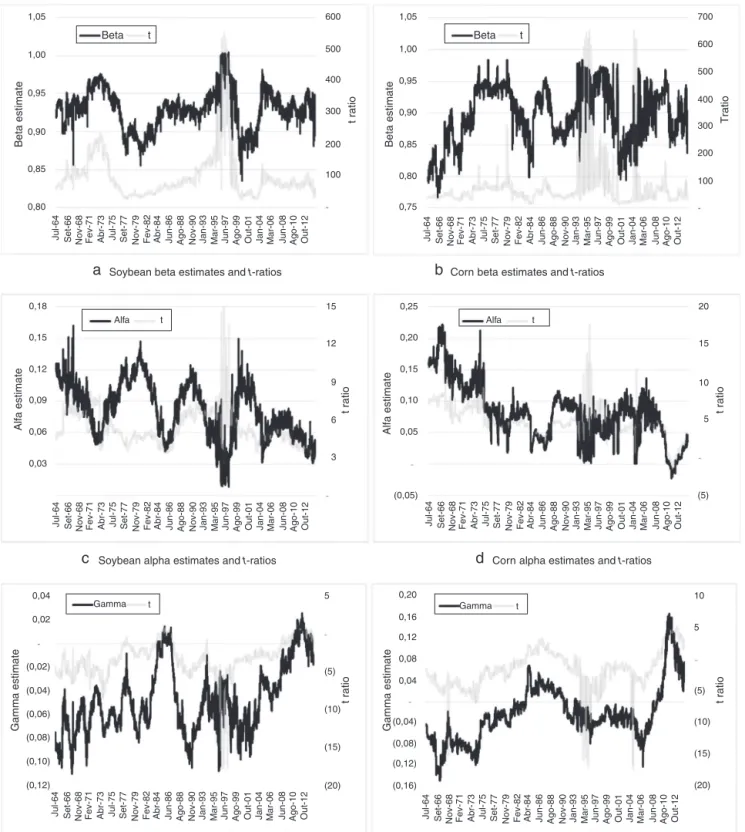
Fig.3showstheevolutionofrollingα1,βandγcoefficient
estimateswitharollingwindowof1008observationsforcorn andsoybeansandtheir correspondingt-ratios fromJuly1963 toDecember2014.In general,rolling β coefficientestimates
forcornandsoybeanmodelsareinthe0.8–1.0rangeandare statisticallydistinguishablefromzero,whichindicatesgreater long-run shock persistence. Forcorn, β coefficient estimates present lowerlevels andhigherinstabilitythanthe respective soybeanparameter(Table5).
Withrespecttorollingα1coefficientestimates,which
Table5
Descriptivestatisticsforrollingα1,βandγcoefficientestimatesandhalf-life
period.
Summarystatistics
Mean Median SD
Alpha(α1)
Soybeans 0.0796 0.0786 0.0265
Corn 0.0792 0.0774 0.0458
p-Value 0.3689 0.0000 0.0000
Beta(β)
Soybeans 0.9314 0.9329 0.0262
Corn 0.9004 0.9012 0.0453
p-Value 0.0000 0.0000 0.0000
Gamma(γ)
Soybeans −0.0480 −0.0524 0.0279
Corn −0.0228 −0.0285 0.0526
p-Value 0.0000 0.0000 0.0000
Half-life(ϑ)
Soybeans 65.94 21.24 2276.53
Corn 98.47 56.52 2827.86
p-Value 0.3123 0.0000 0.0000
forsoybeanand0–0.20forcorn(Fig.3).Inaddition,rollingα coefficientestimatesfor cornandsoybeansseemedtopresent similarlevels,alongwithhighervariabilityforcorn(Table5). Finally,rollingγcoefficientestimatesforsoybeans(corn)vary between−0.10and0.02(−0.15and0.15).Theγestimatesfrom thecornmodelalsoshowhighervaluesandgreatervariability thantheestimatesfromthesoybeanmodel.Ingeneral,sincethe coefficientisusuallynegative,thereisevidenceofaninventory effect.
Furthermore,AppendicesA–Cpresenttherollingcoefficient estimates for seasonality andtime-to-maturity effects for the soybean andcorn markets. Results point tothe existence of greatervolatilityduringtheplantingperiodandbeforethe har-vestinthe U.S.(second andthirdquarters).The evolutionof time-to-maturitycoefficientindicateshigherfuturesprice vari-ability whenthefuturescontractapproachesitsexpiration for bothmarkets.
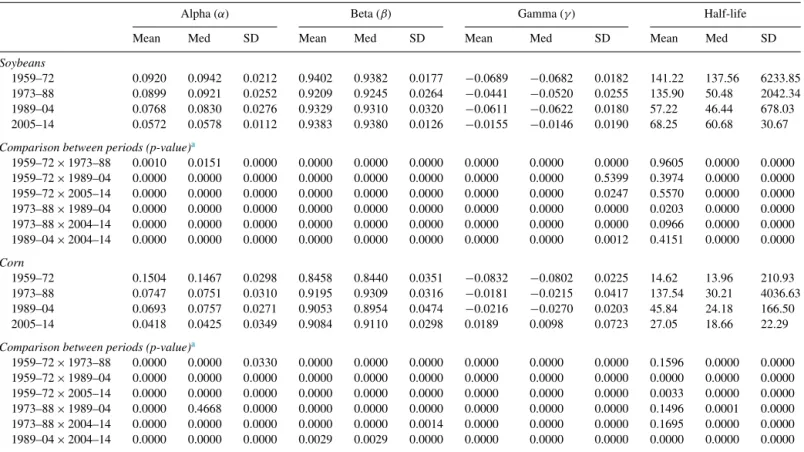
Table6showsthedescriptivestatisticsforrollingα1,βand
γ coefficient estimatesfor each separateperiod.The findings confirm previousresultsrelatedtolowerαestimatesoverthe last twoperiods,resulting inadecrease inthe importance of short-run volatility persistence in soybean and cornmarkets. Consequently,itcanbelargelyverifiedthatthelong-run persis-tence(α1+γ/2+β)andhalf-lifeperiodtendtobelowerinthe
Table6
Descriptivestatisticsforrollingα,βandγcoefficientestimatesandhalf-lifeperiodduring1959–1972,1973–1988,1989–2004,and2005–2014.
Alpha(α) Beta(β) Gamma(γ) Half-life
Mean Med SD Mean Med SD Mean Med SD Mean Med SD
Soybeans
1959–72 0.0920 0.0942 0.0212 0.9402 0.9382 0.0177 −0.0689 −0.0682 0.0182 141.22 137.56 6233.85
1973–88 0.0899 0.0921 0.0252 0.9209 0.9245 0.0264 −0.0441 −0.0520 0.0255 135.90 50.48 2042.34
1989–04 0.0768 0.0830 0.0276 0.9329 0.9310 0.0320 −0.0611 −0.0622 0.0180 57.22 46.44 678.03
2005–14 0.0572 0.0578 0.0112 0.9383 0.9380 0.0126 −0.0155 −0.0146 0.0190 68.25 60.68 30.67
Comparisonbetweenperiods(p-value)a
1959–72×1973–88 0.0010 0.0151 0.0000 0.0000 0.0000 0.0000 0.0000 0.0000 0.0000 0.9605 0.0000 0.0000
1959–72×1989–04 0.0000 0.0000 0.0000 0.0000 0.0000 0.0000 0.0000 0.0000 0.5399 0.3974 0.0000 0.0000
1959–72×2005–14 0.0000 0.0000 0.0000 0.0000 0.0000 0.0000 0.0000 0.0000 0.0247 0.5570 0.0000 0.0000
1973–88×1989–04 0.0000 0.0000 0.0000 0.0000 0.0000 0.0000 0.0000 0.0000 0.0000 0.0203 0.0000 0.0000
1973–88×2004–14 0.0000 0.0000 0.0000 0.0000 0.0000 0.0000 0.0000 0.0000 0.0000 0.0966 0.0000 0.0000
1989–04×2004–14 0.0000 0.0000 0.0000 0.0000 0.0000 0.0000 0.0000 0.0000 0.0012 0.4151 0.0000 0.0000
Corn
1959–72 0.1504 0.1467 0.0298 0.8458 0.8440 0.0351 −0.0832 −0.0802 0.0225 14.62 13.96 210.93
1973–88 0.0747 0.0751 0.0310 0.9195 0.9309 0.0316 −0.0181 −0.0215 0.0417 137.54 30.21 4036.63
1989–04 0.0693 0.0757 0.0271 0.9053 0.8954 0.0474 −0.0216 −0.0270 0.0203 45.84 24.18 166.50
2005–14 0.0418 0.0425 0.0349 0.9084 0.9110 0.0298 0.0189 0.0098 0.0723 27.05 18.66 22.29
Comparisonbetweenperiods(p-value)a
1959–72×1973–88 0.0000 0.0000 0.0330 0.0000 0.0000 0.0000 0.0000 0.0000 0.0000 0.1596 0.0000 0.0000
1959–72×1989–04 0.0000 0.0000 0.0000 0.0000 0.0000 0.0000 0.0000 0.0000 0.0000 0.0000 0.0000 0.0000
1959–72×2005–14 0.0000 0.0000 0.0000 0.0000 0.0000 0.0000 0.0000 0.0000 0.0000 0.0033 0.0000 0.0000
1973–88×1989–04 0.0000 0.4668 0.0000 0.0000 0.0000 0.0000 0.0000 0.0000 0.0000 0.1496 0.0001 0.0000
1973–88×2004–14 0.0000 0.0000 0.0000 0.0000 0.0000 0.0014 0.0000 0.0000 0.0000 0.1695 0.0000 0.0000
1989–04×2004–14 0.0000 0.0000 0.0000 0.0029 0.0029 0.0000 0.0000 0.0000 0.0000 0.0000 0.0000 0.0000
R.L.F.Silveiraetal./RevistadeAdministração52(2017)403–418 415
recentperiod,especiallyduring2005–2014,despiteincreasing valuesforγ.
Conclusions
Agriculturalmarketsarelargelycharacterizedbyhighprice volatility,duetothelowpriceelasticityof supply.This char-acteristichighlightsthe risk of thisactivity, whichrepresents asusceptibilityfactorforprimaryproducingcountries.During thefirst decade ofthe 2000s, majoragriculturalcommodities experiencedasharpandrapidriseinpriceandvolatility,thus stimulatingdiscussionsandresearchinordertounderstandthe reasonsthatledtosuchascenario.Withtheincreaseinbiofuel productionfromgrainsandoilseedsandrestrictionofacreage growthduetoenvironmentalissues,thepressureonagricultural areaswillintensify,whichmaybereflectedinincreasingfood prices.
Studiesthat investigate pricevolatility patterns in agricul-turalmarketshavesignificantimportance,sincetheycanhelpto improvedecision-makingprocessesrelatedtoproduction,risk managementandmarketing.Inaddition,policymakerscanalso benefitfromthesestudiesastheyanalyzetheimpactsofenergy policies on agricultural price and food security. This paper contributestotherecentdebateaboutvolatilityinagricultural marketsbyfocusingtheanalysisongrainvolatilitypersistence andtheinventoryeffect.Usingaconditionalvolatilitymodelto generaterollingestimates,thisworkprovidesevidenceonthe evolutionofvolatility, itspersistence andtheinventory effect overthelast40years.Inaddition,thestudyevaluatesthe matu-rityandseasonalityeffectsthroughmodelestimates.
Results indicate that the three most significant volatility peaksingrainmarketsoccurredin1973(collapseofthe Bret-ton Woods system), 1988 (large production shortfallin U.S. grain markets) and 2008 (subprime crisis). High persistence from shocks on the conditional variance was found in corn and soybean markets between 1959 and 2014. There is also evidence of an asymmetric effect of volatility shocks in the grainmarkets,withnegativeshocksexhibitingalargerimpact on conditional variance. In addition, the evolution of rolling coefficient estimates indicates decreasing short-run volatility persistenceinbothmarketsinrecentyears.Consequently, long-run persistence and the half-life period fall slightly. Further, seasonalityandtime-to-maturityeffectsarealsofoundinboth markets.
Intermsoffutureworks,thistopiccanbefurtherexplored with the inclusion of othercommodities, along withthe use of other volatility models. Volatility spillover effects over timecouldalsobe analyzedbymeansof recursiveparameter estimates of multivariate GARCH models. In addition, other variablescanbeincludedinthemodel,suchasfuturescontract tradingvolumeandcropreportannouncements.
Conflictsofinterest
Theauthorsdeclarenoconflictsofinterest.
Acknowledgements
TheauthorswouldliketothankFAPESP(SãoPauloResearch Foundation)forthefinancialsupportgiventothisresearch.
R.L.F.Silveiraetal./RevistadeAdministração52(2017)403–418 417
AppendixC. Rollingtime-to-maturitycoefficientestimatesforsoybeansandcorn
References
Allen,D.E.,&Cruickshank,S.N.(2000).EmpiricaltestingoftheSamuelson
hypothesis:AnapplicationtofuturesmarketsinAustralia,Singaporeand theUK.Workingpaper.SchoolofFinanceandBusinessEconomics,Edith CowanUniversity.
Anderson,R.W.(1985).Somedeterminantsofthevolatilityoffuturesprices.
JournalofFuturesMarkets,5,331–348.
Arezki,R.,Lederman,D.,&Zhao,H.(2014).Therelativevolatilityof
com-modityprices:Areappraisal.AmericanJournalofAgriculturalEconomics,
96(3),939–951.
Arezki, R., Hadri, K., Loungani, P., & Rao, Y. (2014). Testing the
Prebisch–Singerhypothesissince1650:Evidencefrompaneltechniques thatallowformultiplebreaks.JournalofInternationalMoneyandFinance,
42,208–223.
Arezki,R.,Loungani,P.,Ploeg,R.,&Venables,A.J.(2014).Understanding
internationalcommoditypricefluctuations.JournalofInternationalMoney andFinance,42,1–8.
Balcombe,K.(2009).Thenatureanddeterminants ofvolatilityin
agricul-turalprices:Anempiricalstudyfrom1962–2008.AreporttotheFoodand AgricultureOrganizationoftheUnitedNations.
Beckmann,J.,&Czudaj,R.(2014).Volatilitytransmissioninagriculturalfutures
markets.EconomicModelling,36,541–546.
Bellemare,M.F.,Barrett,C.B.,&Just,D.R.(2013).Thewelfareimpactsof
commoditypricevolatility:EvidencefromruralEthiopia.AmericanJournal ofAgriculturalEconomics,95(4),877–899.
Bessembinder,H.,&Seguin,P.J.(1993).Pricevolatility,tradingvolume,and
marketdepth:Evidence fromfuturesmarkets.JournalofFinancialand QuantitativeAnalysis,28(1),21–39.
Blattman,C.,Hwang,J.,&Williamson,J.G.(2007).Winnersandlosersinthe
commoditylottery:Theimpactoftermsoftradegrowthandvolatilityinthe Periphery1870–1939.JournalofDevelopmentEconomics,82(1),156–179.
Calvo-Gonzalez,O.,Shankar,R.,&Trezzi,R.(2010).Arecommodityprices
morevolatilenow?WorldBankPolicyResearchWorkingPaper5460.
Carpantier, J.-F. (2010). Commodities inventory effect. Discussion Paper
2010/40.Belgium:CenterforOperationsResearchandEconometrics, Uni-versitéCatholiquedeLouvain,Louvain-la-Neuve.
Carpantier,J.-F.,&Dufays, A.(2012).Commodities volatilityandthe
the-oryofstorage.DiscussionPaper2012/37.Belgium:CenterforOperations ResearchandEconometrics,UniversitéCatholiquedeLouvain, Louvain-la-Neuve.
Carpantier,J.-F.,&Samkharadze,B.(2013).Theasymmetriccommodity
inven-toryeffectontheoptimalhedgeratio.JournalofFuturesMarkets,33(9), 868–888.
Chatrath,A.,Adrangi,B.,&Dhanda,K.K.(2002).Arecommodity prices
chaotic?AgriculturalEconomics,27,123–137.
Daal,E.,Farhat,J.,&Wei,P.P.(2006).Doesfuturesexhibitmaturityeffect?
NewevidencefromanextensivesetofUSandforeignfuturescontracts.
ReviewofFinancialEconomics,15(2),113–128.
Dawson,P.J.(2015).Measuringthevolatilityofwheatfuturespricesonthe
LIFFE.JournalofAgriculturalEconomics,66(1),20–35.
Du,X.,Yu,C.L.,&Hayes,D.J.(2011).Speculationandvolatilityspillover
inthecrudeoilandagriculturalcommoditymarkets:ABayesiananalysis.
EnergyEconomics,33(3),497–503.
Duong,H.N.,&Kalev, P.S.(2008).TheSamuelson hypothesisin futures
markets:Ananalysisusingintradaydata.JournalofBanking&Finance,
32(4),489–500.
Ghoshray,A.(2013).Dynamicpersistenceofprimarycommodityprices.
Amer-icanJournalofAgriculturalEconomics,95(1),153–164.
Gilbert,C.L.(2010).Howtounderstandhighfoodprices.Journalof
Agricul-turalEconomics,61,398–425.
Gilbert,C.L., &Morgan,C.W. (2010).Foodprice volatility.
Philosophi-calTransactionsoftheRoyalSocietyB:BiologicalSciences,365(1554), 3023–3034.
Glauber,J.W.,&Heifner,R.G.(1986).Forecastingfuturespricevariability.
Appliedcommoditypriceanalysis,forecasting,andmarketrisk manage-ment.InProceedingsoftheNCR134conference(pp.153–165).
Goodwin,B.K.,&Schnepf,R.(2000).Determinantsofendogenouspricerisk
incornandwheatfuturesmarkets.JournalofFuturesMarkets,20,753–774.
Gupta,S.K.,&Rajib,P.(2012).Samuelsonhypothesis&Indiancommodity
derivativesmarket.Asia-PacificFinancialMarkets,19(4),331–352.
Hasan,M.Z.,Akhter,S.,&Rabbi,F.(2013).Asymmetryandpersistenceof
energypricevolatility.InternationalJournalofFinanceandAccounting,
2(7),373–378.
He,L.-Y.,Yang,S.,Xie,W.-S.,&Han,Z.-H.(2014).Contemporaneousand
asymmetricpropertiesintheprice–volumerelationshipsinChina’s agricul-turalfuturesmarkets.EmergingMarketsFinanceandTrade,50,148–166.
Headey,D.,&Fan,S.(2008).Anatomyofacrisis:Thecausesandconsequences
ofsurgingfoodprices.AgriculturalEconomics,39,375–391.
Hennessy,D.A.,&Wahl,T.I.(1996).Theeffectsofdecisionmakingonfutures
pricevolatility.AmericanJournalofAgriculturalEconomics,78,591–603.
Hováth,R.,&Sapov,B.(2016).GARCHmodels,tailindexesanderror
distri-butions:Anempiricalinvestigation.NorthAmericanJournalofEconomics andFinance,37,1–15.
Huchet-Bourdon, M. (2011). Agricultural commodity price volatility: An
overview.OECDfood, agricultureand fisheriespapers, no.52.OECD Publishing.
Hudson,D.,&Coble,K.(1999).Harvestcontractpricevolatilityforcotton.
JournalofFuturesMarkets,19,717–733.
Isengildina,O.,Irwin,S.H.,&Good,D.L.(2006).ThevalueofUSDAsituation
Jacks,D.S.,O’Rourke,K.H.,&Williamson,J.G.(2011).Commodityprice volatilityandworldmarketintegrationsince1700.ReviewofEconomics andStatistics,93(3),800–813.
Kalev,P.S.,&Duong,H.N.(2008).AtestoftheSamuelsonhypothesisusing
realizedrange.JournalofFuturesMarkets,28,680–696.
Karali,B.(2012).DoUSDAannouncementsaffectcomovementsacross
com-modityfuturesreturns?JournalofAgriculturalandResourceEconomics,
37,77–97.
Karali,B.,&Power,G.J.(2013).Short-andlong-rundeterminantsof
com-moditypricevolatility.AmericanJournalAgriculturalEconomics,95(3), 724–738.
Karali,B.,&Thurman,W.N.(2010).Componentsofgrainfuturesprice
volatil-ity.JournalofAgriculturalandResourceEconomics,35(2),167–182.
Karali,B.,Dorfman,J.H.,&Thurman,W.N.(2010).Deliveryhorizonand
grainmarketvolatility.JournalofFuturesMarkets,30,846–873.
Kenyon,D.,Kling,K.,Jordan,J.,Seale,W.,&McCabe,N.(1987).Factors
affectingagriculturalfuturespricevariance.JournalofFuturesMarkets,7, 73–92.
Khan,B.F.(2014).Determinantsoffuturespricevolatilityofstorable
agricul-turalcommodities:Thecaseofcotton(ThesisinAgriculturalandApplied Economics).TexasTechUniversity.
Khoury,N.,&Yourougou,P.(1993).Determinantsofagriculturalfuturesprice
volatilities:Evidence fromWinnipeg Commodity Exchange.Journalof FuturesMarkets,13,345–356.
Kocagil,A.E.,&Shachmurove,Y.(1998).Return-volumedynamicsinfutures
markets.JournalofFuturesMarkets,18,399–426.
Malliaris, A.G.,& Urrutia,J. L. (1998).Volume and pricerelationships:
Hypothesesandtestingforagriculturalfuture.JournalofFuturesMarkets,
18(4),399–426.
Mensi,W.,Beljid,M.,Boubaker,A.,&Managi,S.(2013).Correlationsand
volatilityspilloversacrosscommodityandstockmarkets:Linkingenergies, food,andgold.EconomicModelling,32,15–22.
Milonas,N.T.(1986).Pricevariabilityandthematurityeffectinfuturesmarkets.
JournalofFuturesMarkets,6,443–460.
Naylor,R.L.,&Falcon,W.P.(2010).Foodsecurityinaneraofeconomic
volatility.PopulationandDevelopmentReview,36(4),693–723.
Nazlioglu,S.,Erdem,C.,&Soytas,U.(2013).Volatilityspilloverbetweenoil
andagriculturalcommoditymarkets.EnergyEconomics,36,658–665.
Pockhilchuck,K.A.,&Savel’ev,S.A.(2016).Onthechoice ofGARCH
parametersforefficientmodellingofrealstockpricedynamics.Physica A:StatisticalMechanicsandApplications,448,248–253.
Power,G.J.,&Robinson,J.R.C.(2013).Commodityfuturespricevolatility,
convenienceyieldandeconomicfundamentals.AppliedEconomicsLetters,
20(11),1089–1095.
Prebisch,R.(1950).TheeconomicdevelopmentofLatinAmericaandits
prin-cipalproblems.EconomicBulletinforLatinAmerica,7,1–22.
Rapsomanikis,G.,&Sarris,A.(2008).Marketintegrationanduncertainty:The
impactofdomesticandinternationalcommoditypricevariabilityonrural householdincomeandwelfareinGhanaandPeru.JournalofDevelopment Studies,44(9),1354–1381.
Rutledge,D.J.S.(1976).Anoteonthevariabilityoffuturesprices.Reviewof
EconomicsandStatistics,58(1),118–120.
Serra, T. (2011). Volatility spillovers between food and energy
mar-kets: A semiparametric approach. Energy Economics, 33(6), 1155–1164.
Singer,H.(1950).Thedistributionofgainsbetweeninvestingandborrowing
countries.AmericanEconomicReview,11,473–485.
Smith,A.(2005).Partiallyoverlappingtimeseries:Anewmodelfor
volatil-itydynamicsincommodityfutures.JournalofAppliedEconometrics,20, 405–422.
Stigler,M.,&Prakash,A.(2011).Theroleoflowstocksingeneratingvolatility
andpanic.InA.Prakash(Ed.),Safeguardingfoodsecurityinvolatileglobal markets(pp.314–328).Rome:FoodandAgricultureOrganizationofthe UnitedNations(FAO).
Streeter,D.H.,&Tomek,W.G.(1992).Variabilityinsoybeanfuturesprices:
Anintegratedframework.JournalofFuturesMarkets,12,705–728.
Sumner, D. A. (2009). Recent commodity price movements in
histori-cal perspective. American Journal of Agricultural Economics, 91(5), 1250–1256.
Verma,A.,&Kumar,C.V.R.S.V.(2010).Anexaminationofthematurityeffect
intheIndiancommoditiesfuturesmarket.AgriculturalEconomicsResearch Review,23,335–342.
Vivian, A., & Wohar, M. E. (2012). Commodity volatility breaks.
Jour-nal of International Financial Markets, Institutionsand Money, 22(2), 395–422.
Watkins, C., & Mcaleer, M. (2008). How has volatility in metals
mar-kets changed? Mathematics and Computers in Simulation, 78(2–3), 237–249.
Wright,B.D.(2011).Theeconomicsofgrainpricevolatility.AppliedEconomic
PerspectivesandPolicy,33(1),32–58.
Yang,J.,Balyeat,R.B.,&Leatham,D.J.(2005).Futurestradingactivityand
commoditycashpricevolatility.JournalofBusinessFinance&Accounting,
32,297–323.
Yang,S.R.,&Brorsen,B.W.(1993).Nonlineardynamicsofdailyfutures
prices:Conditionalheteroskedasticityorchaos?JournalofFuturesMarkets,
13,175–191.
Zakoian,J.M.(1994).Thresholdheteroskedasticitymodels.Journalof