ORIGINAL
RES
EAR
performance in discerning fallers from non-fallers; however, no association was observed between falling patients with PTH serum levels and the LTH.
Keywords | parathyroid hormone; bone remodeling;
renal dialysis.
RESUMO | O objetivo deste estudo foi avaliar a capacidade da Escala Internacional de Eficácia de quedas (FES-I), dos níveis séricos de paratormônio (PTH) e do tempo de trata-mento hemodialítico (TTH) de discriminar pacientes com doença renal crônica (DRC) em tratamento hemodialítico caidores de não caidores. Foi realizado estudo transversal com 64 pacientes, com idade média de 44,2±14,8 anos. Foram coletados dados antropométricos, níveis séricos de PTH, histórico e risco de quedas (Escala Internacional de Eficácia de Quedas - FES-I), TTH e o nível de atividade físi-ca (Questionário Internacional de Atividade Físifísi-ca - IPAQ). Foram encontrados níveis séricos de PTH elevados em 64,1% dos pacientes, e 17,2% deles relataram histórico de queda no último ano. O tempo médio de TTH foi 50,3±37,5 meses. Nível de atividade física leve foi encontrado em 64,1%. Foi encontrada correlação positiva entre o PTH e o
ABSTRACT | The objective of this study was to evaluate the capacity of the Falls Eficacy Scale International (FES-I), of the parathyroid hormone (PTH) serum levels, and of the length of time on hemodialysis (LTH) to discriminate falling from non-falling patients with chronic kidney disease (CKD) under hemodialysis treatment. We conducted a cross sectio-nal study on 64 patients with an average age of 44.2±14.8 years. Anthropometric data, PTH serum level, history, and risk of falls (FES-I), LTH, and level of physical activity (In-ternational Physical Activity Questionnaire – IPAQ) were collected. We found elevated PTH serum lev els in 64.1% of the patients, and 17.2% reported a history of falls in the last year. The average LTH was 50.3±37.5 months. A low level of physical activity was detected in 64.1% of the patients. There was also positive correlation between PTH and LTH (r=0.47, p<0.001). No correlation was found between the FES-I and PTH (p<0.131), between the FES-I and the LTH (p<0.153) or between the PTH (low value/normal ≤450 pg/mL and high value >450 pg/mL) and the risk of falling (falling and non-falling patients) (p<0.158). In this study, the FES-I instru-ment was capable of discriminating fallers from non-fallers on hemodialysis. We conclude that the FES-I showed good
Eficacy Scale International in specifying
the risk of falling in patients with chronic
kidney disease on hemodialysis
Avaliação da capacidade da Escala Internacional de Eficácia de Quedas em discriminar
risco de quedas em pacientes com doença renal crônica submetidos à hemodiálise
Evaluación de la capacidad de la Escala Internacional de Eicacia de Caídas
en discriminar riesgo de caídas en pacientes con enfermedad
renal crónica sometidos a hemodiálisis
Marina Hazin Galvão1, Lucas Ithamar Silva Santos2, Jacqueline de Melo Barcelar3, Patrícia Erika de Melo Marinho4
Correspondence to: Patrícia Érika de Melo Marinho – Avenida Jornalista Aníbal Fernandes, s/n – CidadeUniversitária – CEP: 50740-560 – Recife (PE), Brazil – E-mail: [email protected] / [email protected]
Presentation: Oct. 2012 – Accepted for publication: Mar. 2013 – Financing source: none – Conflict of interest: nothing to declare – Approval at the Ethics Committee n. 829/2011
Study conducted at the Hospital das Clínicas da Universidade Federal de Pernambuco (UFPE), and at the Kidney Treatment Center in Jaboatão dos Guararapes – Recife (PE), Brazil.
1Physical Therapist; Specialist in Nephrology Physical Therapy from the Integrated Multi-professional Residency Health Program at the
Hospital das Clínicas da UFPE – Recife (PE), Brazil.
2Physical Therapist; Master’s Student in the Physical Therapy Postgraduate Program at UFPE – Recife (PE), Brazil. 3Physical Therapist; Master’s Degree in Physical Therapy at the Postraduate Program at UFPE – Recife (PE), Brazil.
INTRODUCTION
he progressive and irreversible loss of kidney
func-tioning1,2 incurred by chronic kidney disease (CKD)
has led to an increase in the incidence and prevalence of patients maintained in dialysis programs, and it has become a global public health issue3.
he metabolic disturbance consequential of CKD associated with dialysis may reverberate in the mus-culoskeletal system through alterations in parathyroid hormones (PTH), calcium, phosphorus, and calcitriol, which occur precociously from stage 3 CKD onwards1,4.
hese alterations have a fundamental role in the physi-opathology of bone diseases5, and are directly related to
morbimortality6.
Studies report the association among creatinine clearance, a decrease in the serum levels of calcitriol, and vitamin D receptors in the muscle with an increase in the risk of falling7-9. he low levels of calcitriol
associ-ated with high levels of PTH are relassoci-ated to myopathy, loss of balance, the occurrence and medical history of falls10-12, and due to the latter, the decline of physical
functioning13.
herefore, recognizing the importance of evaluating the fear of falling in patients with CKD, this study aimed at assessing the capacity of the FES-I, the serum levels of PTH, and the length of time on hemodialysis treatment (LTH) in discerning falling from non-falling patients with CKD under hemodialysis treatment. Although the assessment of the fear of falling is complex and involves physical, behavioral, and functional inluences, the FES-I
TTH (r=0,47; p<0,001). Não foram encontradas correlação entre o FES-I e o PTH (p<0,131), entre o FES-I e o TTH (p<0,153) nem entre o PTH (valor baixo/normal ≤450 pg/mL e valor elevado >450 pg/mL) e o risco de queda (caidores e não caidores) (p<0,158). No estudo, o instrumento FES-I mostrou-se capaz de discriminar hemodialíti-cos caidores de não caidores. Concluímos que a FES-I apresentou bom desempenho de avaliação entre caidores e não caidores, no entanto não foi observada associação entre caidores com os níveis séricos do PTH e com o TTH.
Descritores | hormônio paratireóideo; remodelação óssea; diálise renal.
RESUMEN | El objetivo de este estudio fue evaluar la capaci-dad de la Escala Internacional de Eficacia de Caídas (FES-I), los niveles séricos de hormona paratiroidea (PTH) y el tiempo de tratamiento con hemodiálisis (TTH) para discriminar pacientes caedores de no caedores con enfermedad renal crónica (ERC) en tratamiento con hemodiálisis. Estudio transversal con 64 pa-cientes, con edad media de 44,2±14,8 años. Fueron recolectados
datos antropométricos, niveles séricos de PTH, historia y riesgo de caídas (Escala Internacional de Eficacia de Caídas – FES-I), TTH y el nivel de actividad física (Cuestionario Internacional de Actividad Física – IPAQ). Fueron encontrados niveles séricos de PTH elevados en 64,1% de los pacientes y 17,2% de ellos relataron una historia de caída en el último año. El tiempo medio de TTH fue 50,3±37,5 me-ses. El nivel de actividad física leve fue encontrado en un 64,1%. Fue encontrada una correlación positiva entre el PTH y el TTH (r=0,47; p<0,001). No fueron encontradas correlaciones entre el FES-I y el PTH (p<0,131), entre el FES-I y el TTH (p<0,153) ni entre el PTH (valor bajo/normal ≤ 450 pg/mL y valor elevado >450 pg/mL) y el riesgo de caída (caedores y no caedores) (p<0,158). En el estudio, el instru-mento FES-I se mostró capaz de discriminar pacientes con hemo-diálisis caedores de no caedores. Concluimos que FES-I presentó buen desempeño de evaluación entre caedores y no caedores, sin embargo, no fue observada asociación entre caedores con los ni-veles séricos de PTH y el TTH.
Palabras clave | hormona paratiroidea; remodelación ósea; diálisis renal.
is an instrument whose total score is better associated with the medical history of falls in the last year14.
he hypothesis of our study is that the FES-I applied to individuals with CKD under hemodialysis for a long period of time, and who present elevated PTH values, is capable of discerning fallers from non-fallers.
METHODOLOGY
his was a transversal study conducted at the Clinics Hospital of the Pernambuco Federal University, and at the Kidney Treatment Center from January to February 2012. he study was approved by the Pernambuco Federal University’s Ethics and Research Committee (CAAE 0416.0.172.000-11), and all volunteers signed a consent form to participate in the study, in accordance with the National Health Council’s Resolution 196/96.
he sample was selected sequentially and composed of 64 patients (73.40% male) in a chronic hemodialysis program three times a week, with 4-hour sessions.
Anthropometric and geographical data as well as the patients’ medical history of falls (frequency of falls in the previous year, and from the interview day) was collected.
International physical ability questionnaire
he level of physical activity of the individuals was eval-uated by means of the International Physical Ability
Questionnaire (IPAQ – version 6 – short form)15, and
the information obtained was related to the frequency and duration of the activities taking into consideration
the previous 7 days16. he level of activity was
cate-gorized as low, moderate, and vigorous, according to Matsudo et al.15.
Falls eficacy scale international
For the assessment of the risk of falling, we used the FES-I. In this study, falling was deined as the uninten-tional act of falling on the ground or onto a level lower than the patient’s plane8. he FES-I is a questionnaire14
that contains 16 sections about diferent daily activities with four possibilities of answers and respective scores from one to four (“Not at all concerned” to “Extremely concerned”). he total score varies from 16 to 64 (no concern to extreme concern) related to falling during the performance of activities speciied on the questionnaire14.
PTH serum levels were assessed by the
chemilu-minescence method (Architect – Abbott Diagnostics®
brand), and through the data collected from the patient’s medical chart. he reference levels for patients considered normal or with bone alterations on hemo-dialysis were between 100 and 450 pg/mL. However, PTH levels lower than 100 pg/mL and higher than 450 pg/mL are more closely associated with low and high bone remodeling, respectively17.
he study considered two PTH levels: low/normal
≤450 pg/mL, and elevated >450 pg/mL.
Statistical analysis
he results were expressed in averages, standard devia-tion, and frequency of the variables. For the evaluation of normality distribution, Kolmogorov-Smirnov’s test was used. To compare the averages, the Student t test was used for independent samples (FES-I and LTH).
he Receiver Operator Characteristic (ROC) curve is a powerful tool to measure and specify problems related to the performance of the diagnosis of the risk of falling because it helps in studying the variation of sensitivity and speciicity of diferent cut values. here-fore, the ROC curve was used in this study to evaluate the total scores of the FES-I, of the LTH and of the
Table 1. Sociodemographic characteristics, parathyroid hormone serum levels, history of falls, and physical activity level (IPAQ) of the sample
n %
Gender
Male 47 73.4
Family income*
Up to 1 MS 26 40.6
Over 1 MS 38 59.4
Schooling
0 to 4 years 25 39.1
4 to 8 years 13 20.3
9 or more years 26 40.6
Marital status
With a partner 40 62.5
Occupation
Student 6 9.4
Active 26 40.6
Inactive 32 50
PTH serum level
Elevated 41 64.1
History of falls in the last year
Yes 11 17.2
Physical activity level
Light 41 64.1
Moderate 22 34.4
Vigorous 1 1.6
*Family income shown in minimum salaries (MS); PTH: parathyroid hormone
PTH serum level in discerning falling from non-falling patients on hemodialysis.
he Pearson correlation to the total score of the FES-I, the LTH, the PTH serum levels, and the Pearson chi-square test was carried out to evaluate the association between PTH (categorized as low/ normal and elevated serum level) and the history of falls in the last year (positive or negative).
Statistical analysis was conducted through the software SPSS, version 18.0 for Windows (SPSS, Inc. Chicago, IL), with a signiicance level of p<0.05 for all tests.
RESULTS
Table 2. Categorization of the sample in regards to the anthropometric variables, length of time under hemodialysis treatment, parathyroid hor-mone serum levels, and Falls Eficacy Scale International score (average and standard deviation)
Variables Fallers
n=11
Non-fallers
n=53
Min.–Max. Total
Average±SD
Total
Age (years) 49.5±17.0 43.0±14.3 18.0–75.0 44.2±14.8
Body mass (kg) 63.9±19.7 61.2±12.2 35.0–98.2 61.7±13.6
Height (m) 1.6±0.0 1.6±0.1 1.3–1.8 1.6±0.09
LTH (months) 37.7±32.6 53.0±38.2 6.0–150.0 50.3±37.5
PTH (pg/mL) 580.1±429.4 826.1±699.9 31.3–3000.0 783.8±665.5
FES-I score 34.6±8.2 25.6±10.6* 16.0–56.0 27.1±10.7
LTH: length of time on hemodialysis; PTH: parathyroid hormone; FES-I: Falls Eficacy Scale International. *Student’s t test for independent samples (fallers and non-fallers), p-value=0.01
he averages of the FES-I’s score (27.1±10.7), their
distribution, and the history of falls over the last year, are displayed on Figure 3. It was observed that the individu-als who fell in the last year presented a higher score when compared to individuals that did not fall (p=0.01).
A positive correlation between PTH and LTH (r=0.47; p<0.001) was found. here was no correlation
between FES-I and PTH (p<0.131), FES-I and LTH
(p<0.153), and PTH (low/normal value ≤450 pg/mL,
and elevated value >450 pg/mL) and the risk of falling
(fallers and non-fallers) (p<0.158).
DISCUSSION
his study showed elevated PTH serum levels in more than half of the patients with CKD under hemodialy-sis treatment, and a positive correlation between PTH serum levels and LTH, which indicates higher PTH lev-els in patients who had been submitted to hemodialysis treatment for a longer period.
Falls
Literature suggests that the prevalence of falls in elderly people on hemodialysis is higher when com-pared to uremic individuals, and its incidence is he sample’s categorization, along with the average
length of hemodialysis treatment, PTH serum levels, and the FES-I score are described in Table 2.
With regard to the ROC curve, an area of 0.779
(p<0.004) was found, and observed that the FES-I
presented good performance in discerning fallers from non-fallers. he cutting point to discern fallers from non-fallers was 23 points on the FES-I’s total score, with a sensitivity of 90.9% and speciicity of 47.2%. No association between falling and the PTH serum
levels (p<0.420), and between falling and the LTH
(p<0.366) was found (Figure 2).
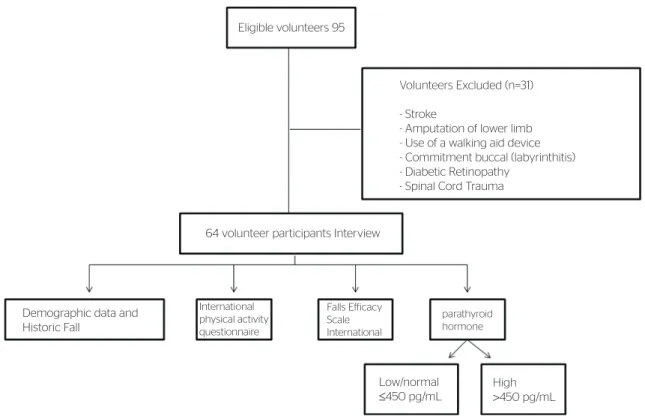
Figure 1. Fluxogram of the patients triaged for the study
Eligible volunteers 95
Volunteers Excluded (n=31)
- Stroke
- Amputation of lower limb - Use of a walking aid device - Commitment buccal (labyrinthitis) - Diabetic Retinopathy
- Spinal Cord Trauma
64 volunteer participants Interview
Demographic data and Historic Fall
International physical activity questionnaire
Falls Efficacy Scale International
parathyroid hormone
Low/normal
≤450 pg/mL
High
>450 pg/mL
high18. In a study conducted with patients on
hemo-dialysis, the researchers observed a history of falls in 47% of them, with an average of 1.60 fall per person/ year, and the mortality rate directly associated with falling was 4%19.
In this study, of the 20.3% elderly people who were part of the sample, the prevalence of a history of falls in this group was 30.7% related to the adults. Although the percentage found was relatively lower
than those of the aforementioned studies18,19, it was
still higher than the percentage in the group of adults in the sample (13.7%).
Risk of falling and the parathyroid hormone
With regard to the association between the risk of fall-ing and the PTH levels, only the use of the FES-I in the study conducted by Boudville et al.20, was found. he
researchers did not observe correlation between PTH serum levels and the FES-I, but they reported a higher tendency to fall among the patients who presented low calcitriol serum levels20. Exactly as it happened in our
study, the non-association probably occurred because the PTH is not a direct measurement of bone tis-sue loss. Bone biopsy, considered the golden standard
of bone disease diagnosis21, was not performed in the
patients of this study due to the lack of a precise indi-cation for its need, which made the analysis of the asso-ciation between the discovery of bone disease and the PTH levels diicult.
Abnormal PTH levels, caused by the excessive secre-tion of this hormone, contribute to the development of high remodeling bone diseases, such as secondary
hyperparathyroidism (SHPT)22,23. he prolonged
secre-tion of PTH results in the development of deep cavi-ties between bone trabeculae23, causes loss of bone mass,
and elevates fracture risks24, in addition to prompting
an increase in the intracellular concentration of free calcium in muscle tissues25,26.
Although a study by Boudville et al.20, and this study
did not ind association between PTH levels and fall-ing, some researchers observed that higher PTH levels are related to the latter27,28, considering that bone
fra-gility, muscle weakness, and poor postural balance are independent risk factors for the occurrence of falls and fractures29. herefore, high PTH levels associated with
low vitamin D levels in individuals on hemodialysis cause a negative impact on muscle strength and func-tional mobility, because they cause the atrophy of mus-cle ibers of rapid concentration, thus predisposing the individuals to falling11. he fact that no association was
found suggests the necessity of studies that investigate this occurrence.
Parathyroid hormone and length of time under
hemodialysis treatment
In this study, we found positive correlation between PTH serum levels and the LTH. Patients with ele-vated PTH levels presented alterations in calcium and phosphorus metabolism as a result of the excess of PTH secretion or of the therapeutic use of
vita-min D receptor activators30. Generally, PTH levels
become even higher as hemodialysis progresses, with the possibility of causing parathyroid hyperplasia, which then becomes a cyclical efect31.
he assessment of the risk of falling in individu-als with CKD on hemodialysis is necessary in clinical practice, especially if these patients have been under this treatment for many years, given that the occurrence of such event causes an increase in mortality and the decrease of functional capacity.
Figure 2. ROC curve of the evaluation of the Falls Eficacy Scale International (FES-I) with the history of falls, and its association with para-thyroid hormone (PTH) and with the length of time under hemodialysis treatment
Figure 3. Distribution of the FES-I score averages, and the history of falls in the last year
1-specificity
Sensibilit
y
Receiver Operator Characteristic (ROC) curve 1,0
0,8
0,6
0,4
0,2
0,0
0,0 0,2 0,4 0,6 0,8 1,0
FES-I
Reference line Length of time PTH
on hemodialysis
60
50
40
30
20
10
FE
S
-I scor
e
he main limitation of this study is that bone biopsy was not done for the investigation of bone alterations, but this procedure has precise indications for stage 3 to 5D patients with CKD, who were not part of the study’s
sample32. Another limitation is thatno other
instru-ments were used to assess static and dynamic balance, which could be useful for the evaluation of patients with CKD on hemodialysis.
he clinical relevance of this study regards the grow-ing concern about the occurrence of falls in individuals on hemodialysis. It is necessary to continue this study using diferent age ranges and LTH with the purpose of verifying a possible association between these and the occurrence of falls in patients with CKD.
he instrument used to detect such event was efec-tive in distinguishing falling individuals from non-falling patients, and it can be used to evaluate this population’s possibility of falling as well as during their follow-up when they are submitted to an exercise program with the purpose of minimizing the impact of falls.
CONCLUSION
In this study, the tool FES-I proved itself capable of discerning falling from non-falling patients on hemo-dialysis. he positive correlation between PTH serum levels and the length of time on hemodialysis indicated higher PTH serum levels in patients who had been under treatment for a longer period of time.
ACKNOWLEDGEMENTS
We thank Priscila Jamile Cordeiro de Souza, a scholar in the Physiotherapy program at the Pernambuco Federal University, for collaborating in the data collection for this present study.
REFERENCES
1. Bush A, Gabriel R. Pulmonary function in chronic renal failure: efects of dialysis and transplantation. Thorax. 1991;46:424-8.
2. Karacan O, Tutal E, Colak T, Sezer S, Eyüboğlu FO, Haberal M. Pul-monary function in renal transplant recipients and end-stage renal disease patients undergoing maintenance dialysis. Transplant Proc. 2006;38:396-400.
3. Sesso RS. Relatório do censobrasileiro de diálise de 2010. J Bras Nefrol. 2011;33:442-7.
4. Jorgetti V. Visãogeral da doençaósseanadoença renal crônica (DRC) e nova classificação. J Bras Nefrol. 2008;30:4-5.
5. Boudville NC, Hodsman AB. Renal function and 25-hydroxyvitamin D concentrations predict parathyroid hormone levels in renal transplant patients. Nephrol Dial Transplant. 2006;21:2621-4.
6. Lehmkuhl A, Maia AJM, Machado MO. Estudo da prevalência de
óbitos de pacientes com doença renal crônicaassociada à doença
mineral óssea. J Bras Nefrol. 2009;31:10-17.
7. Dukas L, Scharcht E, Runge. Independent from muscle power and balance performance, a creatinine clearance below 65 ml/min is a significant and independent risk factor for falls and fall-related fractures in elderly men and women diagnosed with osteoporosis. Osteoporos Int. 2010;21:1237-45.
8. Gallagher JC, Rapuri PB, Smith LM. An age related decrease in cre-atinineclearance is associated with an increase in number of falls in untreated women but not in women receiving calcitrioltreatment. J Clin Endocrinol Metab. 2007;92:51-8.
9. Gallagher JC, Rapuri PB, Smith LM. Falls are associated with decrea-sed renal function and insuficient calcitriolproduction by the kidney. J Steroid Biochem Mol Biol. 2007;103:610-13.
10. Stein MS, Wark JD, Scherer SC, Walton SL, Chick P, Di Carlantonio M,
et al. Falls relate to vitamin D and parathyroid hormone in Australian nursing home and hostel. J Am Ger Soc. 1999;47:1195-201.
11. Dukas LC, Scharcht E, Mazor Z, Stähelin HB. A new significant and inde-pendent risk factor for falls in elderly men and women: a low creatinine clearance of less than 65 ml/min. Osteoporos Int. 2005;16:332-8. 12. Cook WL, Tomlinson G, Donaldson M, Markowitz SN, Naglie G,
Sobo-lev B, et al. Falls and fall-related injuries in older dialysis patients. Clin J Am Soc Nephrol. 2006;1:1197-204.
13. Silva RB, Costa-PaivaL, Oshima MM, Morais SS, Pinto-Neto AM. Frequency of falls and association with stabilometric parameters of balance in postmenopausal women with and without osteoporosis. Rev Bras Ginecol Obstet. 2009;31:496-502.
14. Camargos FFO, Dias RC, Dias JMD, Freire MTF. Adaptação transcultu-ral e avaliação das propriedadespsicométricas da Falls Eficacy Scale - International emidososbrasileiros (FES-I-BRASIL). Rev Bras Fisioter. 2010;14:237-43.
15. Matsudo S, Araujo T, Matsudo V, Andrade D, Andrade E, Oliveira LC, et al. Questionáriointernacional de atividadefísica (IPAQ): Estudo de validade e reprodutibilidade no Brasil. Rev Bras Ativ Fis Saude. 2001;6:6-18.
16. International Physical Activity Questionnaire (IPAQ). Guidelines for Data Processing and Analysis of the International Physical Activity Questionnaire (IPAQ) - Short and Long Forms, 2005. Sweden. [Cited 2012 Jan 29]. Available from: http://www.ipaq.ki.se.
17. Ministério da Saúde. Brasil. Portaria SAS/MS nº 69 de 11 de fevereiro de 2010: Osteodistrofia Renal. Brasil: Ministério da Saúde; 2010. 18. Cook WL, Jassal SV. Prevalence of falls amongst seniors maintained
on hemodialysis. Int Urol Nephrol. 2005;37:649-52.
19. Ambrus C, Marton A, Nemeth ZK, Mucsi I. Bone mineral density in patients on maintenance dialysis. Int Urol Nephrol 2010;42:723-39. 20. Boudville N, Inderjeeth C, Elder GJ, Glendenning P. Association
bet-ween 25-hydroxyvitamin D, somatic muscle weakness and falls risk in end-stage renal failure. Clin Endocrinol (Oxf). 2010;73:299-304. 21. Lacativa PGS, PatrícioFilho PJM, Gonçalves MDC, Farias ML. Indicações
de paratireoidectomia no hiperparatireoidismosecundário à insufi-ciência renal crônica. Arq Bras Endocrinol Metab. 2003;47:644-53. 22. Sampaio EA, Lugon JR, Barreto FC. Pathophysiology of secondary
hyperparathyroidism. J Bras Nefrol. 2008;30:6-10.
24. Stein MS, Wark JD, Scherer S, Walton SL, Chick P, Carlantonio N, et al. Falls relate to vitamin D and parathyroid hormone in an Australian nursing home and hostel. J Am Geriatr Soc. 1999;47:1195-201. 25. Visser M, Deeg DJH, Lips P. Low Vitamin D and high parathyroid
hor-mone levels as determinants of loss of muscle strength and muscle mass (sarcopenia): The longitudinal aging study Amsterdam. J Clin Endocrinol Metab. 2003;88(12):5766-72.
26. Garber AJ. Efects of parathyroid hormone on skeletal muscle protein and amino acid metabolism in the rat. J Clin Invest. 1983;71:1806-21. 27. Nickolas TL, Leonard MB, Shane E. Chronic kidney disease and bone
fracture: a growing concern. Kidney Int. 2008;74:721-31.
28. Sambrook PN, Chen JS, March M, Cameron ID, Cumming RG, Lord SR, et al. Serum Parathyroid hormone predicts time to fall independent of vitamin D status in a frail elderly population.J Clin Endocrinol Metab. 2004;89:1572-6.
29. Burke TN, França FJ, Ferreira de Meneses SR, Cardoso VI, Marques AP. Postural control in elderly persons with osteoporosis: Eficacy of anin-tervention program to improve balance and muscle strengtharando-mized controlled trial. Am J Phys Med Rehabil. 2010;89:549-56. 30. Palmer SC, McGregor DO, Macaskill P, Craiq JC, Elder GJ, Strippoli GF.
Meta-analysis: vitamin D compounds in chronic kidney disease. Ann Intern Med. 2007;147:840-53.
31. Fukagawa M, Komaba H, Onishi Y, Fukuhara S, Akizawa T, Kurokawa K. Mineral metabolism management inhemodialysis patients with secon daryhyperparathyroidism in Japan: Baseline data from the MBD-5D. Am J Nephrol. 2011;33:427-37.