Films Deposited from Reactive Sputtering of Aluminum Acetylacetonate Under Low Energy
Ion Bombardment
Felipe Augusto Darriba Battaglina, Eduardo Silva Pradoa, Luciano Caselib, Tiago Fiorini da Silvac,
Manfredo Harri Tabacniksc, Nilson Cristino da Cruza, Elidiane Cipriano Rangela*
Received: September 08, 2016; Revised: February 21, 2017; Accepted: March 10, 2017
Films were deposited from aluminum acetylacetonate (Al(acac)3) using a methodology involving reactive sputtering and low energy ion bombardment. The plasma was generated by the application of radiofrequency power to the powder containing electrode and simultaneously, negative pulses
were supplied to the electrode where the substrates were attached. It was investigated the efect of the duty cycle of the pulses (Δ) on the properties of the coatings. Association of ion bombardment to the deposition process increased ilm thickness, structure reticulation and organic content. Ions from the deposition environment were implanted at the ilm-air interface or underneath it. Morphology and topography were altered depending on Δ. Considering the enhancement of Δ, it afected the lux of ions reaching the depositing interface and then the deposition rate, H content, crosslinking degree and
surface microstructure. Alumina groups were detected in the infrared spectra, whereas the precipitation
of amorphous alumina was conirmed by X-ray difraction.
Keywords: Ion bombardment, Aluminum acetylacetonate, Duty cycle
* e-mail: [email protected]
1. Introduction
Alumina coatings (Al2O3) are attractive materials since they possess high electrical resistivity, hardness, wear and corrosion resistance, besides being good thermal insulators, chemically inert and physically stable at high temperatures1,2.
As a consequence, alumina presents a branched ield of
applications as dielectric materials in microelectronic devices, barriers against corrosion, passivation layers, hardening coatings, abrasives, amongst others3-6.
Alumina can exist in the amorphous and crystalline
phases, being the last category subdivided in metastable phases, called transition aluminas, and a single stable phase
that is called alpha alumina (α)3. Each phase of alumina can
be used in a speciic application; however the one of greatest
interest is the alpha stable phase, once it grants alumina its
well-known advantages7.
The most used technique for alumina ilms synthesis is the chemical vapor deposition, CVD, which requires temperatures above 1000°C1-2, 8. Owing to this high temperature range, the versatility of the method is limited since some metallic and polymeric materials cannot be coated5. Moreover, the precursors
normally used in the deposition process, dimethylaluminum
isopropoxide (DMAI)3, trimethylaluminum (TMA)9 and
aluminum trichloride7, present the drawback of generating
corrosive by-products, being expensive and diicult to handle6.
In the attempt to suppress these limitations, many studies are being developed based on techniques that involve plasma,
as the PECVD, since the plasma supplies energy without the
need of heating. With regard to the precursors, the use of aluminum acetylacetonate has increased (Al(acac)3), because this organometallic compound is cheap, easy to handle and
does not generate harmful by-products10.
Zhao and Suhr6 deposited aluminum oxide ilms by
Plasma Enhanced Chemical Vapor Deposition, PECVD,
using aluminum acetylacetonate as precursor, which was
decomposed in a heated cell (150-170˚C) and carried to the deposition chamber. Despite the heating of the sample holder (300 to 500˚C), amorphous ilms were obtained. For temperatures above 450ºC no carbon contamination was detected turning the ilm transparent. Mahnke et al.10 also
used Al(acac)3 as a precursor to deposit doped aluminum
oxide ilms by MO-PECVD for optical applications. The
precursor was sublimated and carried, by a N2 or Ar gas low,
to the deposition chamber where it was mixed with oxygen. The ilms which were submitted to conventional annealing process (700 to 900°C) crystallized while those annealed by CO2 laser at approximately 1200ºC kept amorphous.
a Technological Plasmas Laboratory, Universidade Estadual Paulista - UNESP, Institute of Science and
Technology of Sorocaba - ICTS, Av. Três de Março, 211, Alto da Boa Vista, 18087-180, Sorocaba, SP, Brazil
b Institute of Environmental, Chemical and Pharmaceutical Sciences, Universidade Federal de São
Paulo - UNIFESP, Rua São Nicolau, 210, Centro, 09913-030, Diadema, SP, Brazil
c Institute of Physics, Universidade de São Paulo - USP, Rua do Matão, 1371, Cidade Universitária,
A new approach to deposit amorphous alumina ilms
from Al(acac)3 was proposed by Nielsen et al.11. The novelty
of the mentioned work was to plasma sputter the Al(acac)3
powder, placed directly inside a capacitively coupled reactor, instead of thermally decompose it1, 12-13. Besides demonstrating the feasibility of the method to prepare amorphous alumina
ilms, it was revealed substantial carbon incorporation even at high plasma excitation powers. Carbon contamination
while using Al(acac)3 for ilm deposition has already been reported in the literature1, being attributed to the incomplete
decomposition of the precursor.
In a recent work, Battaglin et al.14 investigated the
efect of oxygen incorporation to the argon plasma, shifting
the methodology proposed by Nielsen et al.11 to a reactive
sputtering. The ainity of oxygen to carbon was demonstrated to afect molecular fragmentation in the plasma phase as well as the removal of organics by heterogeneous plasma-surface reactions. Oxygen addition was observed to promote a transition from a predominantly organic network to an oxide
containing one. It was then demonstrated the possibility of controlling the nature of the resulting material by changing the process chemistry and without the association of heat.
Ion bombardment is another potential methodology to
promote the growth of alumina ilms at reduced temperatures.
Using an Al+ ion beam during the deposition, Sarakinos
et al.8 proved that the subsurface processes triggered by
ion bombardment contribute to the formation of the alpha
phase of alumina. Using the bipolar PECVD technique and
aluminum trichloride as precursor, Konstantinidis et al.15
demonstrated the possibility of depositing α-Al2O3 thin ilms
at low temperatures (560ºC) with increasing the duty cycle of the bias signal (Δ) supplied to the samples.
Considering the evidences of the benefits of ion bombardment utilization in obtaining alumina ilms by other
methodologies8, 15, the purpose of this work is to associate
ion bombardment to the reactive sputtering method proposed by Battaglin et al.14. The hypothesis to be veriied is whether
the synergy between the chemical routes of organic removal
associated to the physical process of ion bombardment afects
the properties of the resulting layers.
2. Experimental
Soda-lime-silica glass (0.01 x 0.02 x 9.8x10-4 m) and
polished stainless steel AISI 304 (0.01 x 0.02 x 7.9x10-4 m) plates were used as substrates for the depositions. The substrates were cleaned in two steps, as described in the
work of Battaglin et al.14.
The experimental apparatus used for ilm deposition
was fully described earlier16. In the present case, however,
to induce ion bombardment of the growing layer, instead of grounding the sample holder, it was biased with rectangular
negative pulses supplied by a GBS Elektronik RUP6 20
source. This equipment provides rectangular negative pulses
with up to 20 kV of intensity and up to 3 kHz of frequency. The polarization of the samples can be also performed by a homemade adjustable source (0-1200 V) used whenever continuous signals (Δ = 100%) are necessary. A Tektronix TDS 2014 oscilloscope is used to adjust the parameters of
the bias signal.
Clean substrates were ixed in the reactor upper electrode. After this step, 8x10⁻⁴ kg of aluminum acetylacetonate was spread directly on the lower electrode, renewing the Al(acac)3 powder in each deposition procedure. The system was pumped to reach the bottom pressure of 4.3 Pa. The plasma atmosphere was established by introducing 6.7 Pa
of the oxygen (25%) and argon (75%) mixture, as optimized in earlier work14, and keeping the system total pressure at
11.0 Pa. Oxygen and argon low ratios were of 3.75x10⁻⁸ and
1.17x10⁻⁷ m³/s (2.25 and 7.00 sccm), respectively. Plasma was generated by the application of radiofrequency signal
(13.56 MHz, 150 W) to the lowermost electrode where the
powder of Al(acac)3 was spread, while biasing the uppermost sample holder with pulsed (RUP6 source) or continuous
(homemade source) signals. In order to study the inluence
of ion bombardment during the deposition the duty cycle of
the bias signal was varied between 0 and 100%. Frequency, period and intensity of the pulses were ixed at 2000 Hz, 500 μs and 600 V, respectively. Deposition time was 90 minutes.
The lower electrode and sample holder temperatures were measured by a digital thermometer as soon as the reactor was opened. With the duty cycle variation, the temperature
of the lower electrode ranged from 51 to 60°C, meanwhile that of the sample holder changed from 33 to 59°C, values
close to that found by Nielsen et al.11.
Films thickness, deined as the height of the step delineated
during the deposition process in the surface of glass plates
with the help of an adhesive Kapton mask, was measured in six diferent positions of the sample using a Dektak 150 proilometer. The analysis was performed considering scans of 2000 µm under a tip load of 3x10⁻⁶ kg.
The molecular structure of the ilms deposited on polished stainless steel was deined by means of spectra acquired by IRRAS (InfraRed Relectance Aborbance Spectroscopy) and, for the sample deposited without bias signal, PM-IRRAS (Polarization-Modulation Infrared Relection Absorption
Spectroscopy) methods. For the analyses carried out in the
IRRAS coniguration, 128 scannings were carried in each sample
with resolution of 4 cm-1 in a Jasco 410 FTIR spectrometer.
In the analyses conducted by the PM-IRRAS method, a KSV
PMI 550 Instrument spectrometer was employed using an incidence angle of 80° in relation to the normal of the sample.
Grazing incidence X-ray difraction experiments were
carried out in samples prepared on glass plates, using a
Panalytical X’Pert Powder XRD-6000 difractometer and Cu Kα (45 kV, 40 mA) radiation. The beam incidence angle
Secondary electron micrographs were acquired in a Jeol
JSM-6010LA equipment, from ilms deposited on stainless steel. For such experiments, the energy of the electron beam was of 2.5 keV (3 nm of spot size; 0.01-0.013 m of work
distance). Film elemental composition was determined
by energy dispersive spectroscopy, EDS, using a Dry SD Hyper detector (resolution from 129 to 133 eV) connected to the scanning microscope. The beam energy was ixed in 3.0 keV (6 nm of spot size) and the inspected area was of 1x10⁻⁵ m². The quantiication of the EDS data was carried out by the ZAF method17, which evaluates the constituents
of the samples using a matrix of factors (atomic number efect, X-rays absorption and X-rays luorescence). For each one of the EDS analysis, the beam penetration depth
was simulated by the Monte Carlo Simulation of Electron Trajectory in Solids -CASINO software18.
The elemental composition of the ilm prepared with no bias was determined using energy recoil detection (ERD)
analysis for hydrogen19 content evaluation and elastic
backscattering spectroscopy (EBS)19 for heavier elements
determination (C, O, Al and Fe). The irst experiment was performed using a 2.2 MeV helium beam with the detector
placed at a scattering angle of 20º with respect to the beam
direction. A 6 μm thick aluminum absorber was used on the
front of the detector to guarantee that only H atoms recoiled from the sample reached the detector. The second batch
of analysis was conducted using a 4.5 MeV helium beam
with the detector placed at a scattering angle of 170º also referred to the beam direction. The data obtained using both
technique were interpreted using a self-consistent approach
by MultiSIMNRA software20-21, that uses computational
algorithms to determine the sample model that best explains the data of multiple ion beam techniques. As a non-Rutherford process, the cross-section used for modeling the EBS data for C(a,a)C and O(a,a)O reactions was the one provided by SigmaCalc22. Due to the lack of SigmaCalc data for the Al(a,a)
Al reaction cross-section, it was used the data measured by Cheng et al.23. For the ERD model it was used the
cross-section for a(H,a)H reaction also provided by SigmaCalc22.
Topographic images were obtained from ilms deposited on glass substrates, using a NX10 Atomic Force Microscope (Park Systems). The analysis were carried out in the tapping mode, with scan rates of 0.5 Hz, resonant frequency of 330 kHz and force constant of 42 N/m. Scans were acquired with 2 x 2 μm and 20 x 20 μm, the latter being used to evaluate
the root mean square roughness (RMS) of the surface.
3. Results and discussions
3.1. Thickness
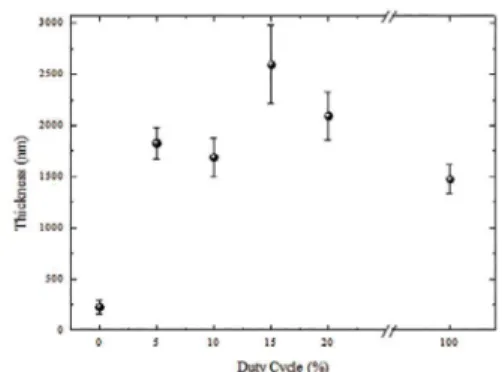
Figure 1 shows the thickness of the ilms, h, as a function of
the pulse duty cycle. The range of values obtained for the sample
prepared with the grounded holder is presented in Δ = 0%. As can
Figure 1. Thickness of the ilms as function of the duty cycle of the pulses. The result obtained for the sample prepared with the
grounded sample holder is presented in Δ = 0%.
be observed, the association of ion bombardment to the process
substantially increases the thickness of the resulting layer, even when pulses of low duty cycles are used (5 to 10%). There is growth trend in h (35%) when Δ is increased between 10 and 15% with a subsequent fall trend. As the deposition time was ixed in all the experiments (90 minutes), the deposition rate presented the same behavior observed for thickness. Reduced deposition
rates are obtained (2.5 nm/min) with the grounded sample holder while values between 18.8 and 28.8 nm/min are obtained when
pulses between 10 and 15% of duty cycle are applied. The behavior observed for thickness and deposition rate
(Figure 1) are consistent with those reported in a previous
work where the sputtering of Al(acac)3 was performed in pure
argon atmosphere24. The tendency inversion in this graphic
can be explained in terms of two opposite phenomena taking
place simultaneously during the deposition process. While the
bias of the sample holder tends to increase the lux of charged
Al(acac)3 fragments to the samples, then increasing deposition rate, the energy transferred by fast ions tends to slow it down, by removal of species from the newly deposited layer. The loss of species occurs by both recoil implantation, which dilutes the
substrate with the ilm material, and by sputtering. In addition, chain crosslinking, induced by the recombination of free radicals
generated as species are emitted, tends to densify the layer and
then to contribute to the thickness reduction.
Considering the variation of 5 to 100% in the duty cycle it was generated an increase of 25ºC in the sample holder temperature, however in this interval the increase of temperature didn’t have a signiicant impact on the ilms thickness. Therefore, ion bombardment afects the deposition rate of the layer by altering the lux of precursor molecules which impinges on the substrate.
The increase in the duty cycle of the bias signal changes the total
energy and dose of ions reaching the substrate, inluencing, in diferent ways, the deposition kinetics.
3.2. Molecular structure and elemental composition
Figure 2 shows the infrared spectra of the ilms deposited using signals with diferent duty cycles (5 to 100%) in the
spectrum of the sample prepared without bias, Δ = 0%, is
also presented. The wavenumber and the assignments of the main contributions highlighted in the spectra are presented in Table 1.
Bands related to the stretching, ν (2965, 2930 and 2875
cm-1)25 and bending, δ (1407 and 1292 cm-1)25 vibrations of
C-H groups were detected together with those ascribed to
the stretching (3463 cm-1) of O-H functional12. Carbonyls (ν
C=O) are identiied11 by the absorptions lying at 1703 and
1599 cm-1. Stretching vibrations of the C=C functional were
identiied11 by the band around 1531 cm-1.
In the low wavenumbers region (500 - 1100 cm-1)12 the
aluminum presence is revealed by the absorptions at 1030
(ν Al=O)25, 938 (LO Al 2O3)
2, 860 (ν Al-O)25 and 659 (TO
Al2O3)2 cm-1. These bands overlap to a broad band emerging
in this region which is characterized in other works as due to
amorphous stoichiometric alumina2. However, this band can
also be a consequence of the optical interference process, as demonstrated in Figure 3, where the spectrum of the sample
prepared with pulses of 15% of duty cycle is superimposed to
a simulated optical interference pattern26. The good agreement
of the pattern position with the minimums of the spectrum,
aside to the fact that thickness of the layer is of the same
order of magnitude of the radiation wavelength, suggests the contribution of this process to some of the bands of the spectrum (regions 1, 2 and 3 of Figure 3).
Despite this interference, that has already been reported
in the literature27-28, it is evident the presence of contributions
characteristic of aluminum oxide by the rise of the sharp peaks. Furthermore, bands around 938 (C=C and C=O) and 690 (Al-O) cm-1, generated from vibrations of Al(acac)
3
fragments, can also contribute to the absorptions in this region of the spectrum.
For the ilm deposited with the grounded sample holder no signiicant contribution was detected in the spectrum due to the low thickness of the layer (~ 200 nm). For this sample, the molecular structure was then evaluated by PM-IRRAS
in the near surface region, being the results presented in
Figure 4 and in Table 2. The creation of a structure with low
proportions of C-H (2863 and 2913 cm-1) and O-H (3000-3200 cm-1) groups is suggested by the reduced intensity of the contributions related to these functional in the high wavenumbers region (Figure 4a).
In the region of the spectrum between 1000 and 1700 cm-1 (Figure 4b) contributions related to C=O (1655 cm
-1) and C-O-C (1120 cm-1) stretching modes as well as to
C-H (1468, 1404 and 1240 cm-1) bending vibrations are detected. In the low wavenumber region (Figure 4c), bands
characteristic of the O-H (1169 and 1084 cm-1), Al=O (1011 cm-1) and amorphous alumina (800-950 cm-1) vibrations are found. These results then suggest the formation of an Al
oxide structure with C-H, OH, C-O and C=O inclusions. Analyzing the infrared spectroscopy results it is readily
noticed that the increase in the duty cycle does not promote
signiicant alterations in the molecular structure of the
resulting layer. All the alterations observed in the spectra
with increasing Δ can be explained in terms of the thickness
variations. This result suggests that the increase in the ion
lux, with the rise of Δ, afects the amount of precursor
species reaching at the substrate surface, but the elevation in the energy transferred by them is not enough to promote
signiicant structural alterations.
The elemental composition of the ilms was determined from the EDS spectra (not presented). For the sample prepared with the grounded sample holder (Δ = 0%), whose thickness is of approximately 200 nm, the spectrum presented peaks related to the substrate elements. Computational simulations
with the CASINO software18 demonstrated that the electron
penetration depth in this sample is around 170 nm. The
proximity of values is the reason by which the elements of the substrate are identiied in the spectrum, hindering the correct quantiication of the atomic proportions.
Owing to that, the elemental composition of this sample
was analyzed by ERD and EBS. In Figure 5 are presented the experimental spectra for this sample as well as their simulations, which furnished the volumetric concentrations of C (1.75x10²²
Figure 2. Infrared transmittance spectra for ilms deposited with diferent duty cycles acquired between (a) 400 and 4000 cm-1 and (b) 400 and 1200 cm-1. The
spectrum of the ilm deposited without the application of pulses, Δ = 0%, is
Table 1. Wavenumber of the absorption bands present in the infrared
spectra of the ilms deposited with diferent duty cycles as well as
their assignments.
Wavenumber (cm-1) Assignment
3463 ν O-H
2965 ν C-H
2930 ν C-H
2875 ν C-H
1703 ν C=O
1599 ν C=O
1531 ν C=C
1407 δ C-H
1292 δ C-H
1030 ν Al=O
938 LO Al2O3 (*957 cm
-1)
ν C=C e ν C=O (Al(acac)3)
860 ν Al-O
659 TO Al2O3 (*630 cm
-1)
Al-O (Al(acac)3) Notes: LO - Longitudinal optical mode of amorphous alumina. TO - Transversal optical mode of amorphous alumina.
(*) Reference: YAMADA-TAKAMURA et al.2.
Figure 3. Infrared transmittance spectrum for the sample deposited
with Δ = 15% (solid line) and sinusoidal simulated curve for an
optical interference process (hatched line). The circles highlight the parts of the spectrum in which the optical interference contributes to the intensities of the bands of the spectrum.
atoms/cm3), O (3.69x10²² atoms/cm3), Al (0.92x10²² atoms/
cm3) and H (1.36x10²² atoms/cm3). From these results, and
disregarding H, it was found that the ilm deposited without biasing the holder presents 28 at.% of C, 58 at.% of O and 14 at.% of Al. To analyze this result, it must be considered that
the Al(acac)3 molecule, schematically illustrated in Figure 6a,
presents 68 at.% of C, 27 at.% of O and 5 at.% of Al. That is,
homogeneous and heterogeneous reactions occurring in the deposition process substantially reduce the concentration of
C and raise those of Al and O initially present in the precursor molecule. Comparing the stoichiometry of this sample with the expected for the aluminum oxide, Al2O3 (Figure 6b), that
is, Al = 40 at.% and O = 60 at.%, it can be noticed a good
agreement in the O proportion but a great discrepancy in the Al
one due to the presence of organics (C-H, C=O, C=C, C-O-C).
These results are consistent with the obtained by infrared spectroscopy and with the presented by Schmidt et al.29 which
demonstrated increasing C concentrations in aluminum oxide ilms deposited from the pyrolysis of the dimethylaluminum isopropoxide via high-vacuum chemical vapor deposition, when the deposition temperature was increased up to 659ºC.
The volumetric concentration of the elements, determined
from the EBS and ERD results, also allows to infer on the deposition mechanism when H proportion is taken into account in the calculations. For the ilm deposited with the grounded holder there is 23 at.% of C, 48 at.% of O, 12 at.% of Al and 17 at.% of H whereas the expected for the precursor molecule (AlC15H21O6) is of 35 at.% of C, 14 at.% of O, 2
at.% of Al and 49 at.% of H. That is, for the transformation
of the Al(acac)3 precursor into the ilm, the C proportion must be reduced in 12 percentage points whereas that of H in 32 percentage points, showing that H removal is greater than the
C one. The abundance of active oxygen in the plasma phase stimulates the recombination of this element with H and C of the fragments generating low sticking coeicient groups
(OH, H2O, CO, CO2) which are eventually removed from the deposition atmosphere by the vacuum system.
The atomic proportions obtained from the EDS spectra for the other samples are roughly the same: 73 at.% of C, 22 at.% of O and 5 at.% of Al, i.e., the increase in temperature generated by
the duty cycle variation over again didn’t afect the concentration of the ilms. Comparing these results with the obtained for the
sample deposited with the grounded holder, turns evident that the
association of ion bombardment raises the C proportion but reduces
the O and Al content, indicating that carbon ions are abundant
in the plasma and efectively contribute to the deposition when they are attracted to the substrate. In other words, larger oxygen proportions than the used in this work (25%) and changes in the
parameters would be necessary in the plasma to provide carbon
removal in a more eicient way.
Besides, independently of the duty cycle condition used,
the concentration of elements constituents of the ilm remains constant. This behavior is explained by the fact that all the
depositions occurred under the same plasma conditions as one considers the chemical composition, gas pressure and
excitation power. As a result, the plasma mechanism responsible
for the Al(acac)3 sputtering, remained unchanged, resulting in similar precursor species in all the deposition cycles. The
variation of the duty cycle, on its turn, inluenced only the
amount of these species that arrived at the substrate, what
Figure 4. PM-IRRAS spectrum of the ilm deposited in the grounded holder, taken in the (a) 2700-3200 cm-1,
(b) 1000-1700 cm-1 and (c) 800-1200 cm-1 regions.
Table 2. Wavenumber of the absorption bands present in the
PM-IRRAS spectrum of the ilm deposited with no bias pulses.
Wavenumber (cm-¹) Assignment
3000-3200 ν O-H
2913 ν C-H
2863 ν C-H
1655 ν C=O
1468 δ C-H
1404 δ C-H
1240 δ C-H
1120 ν C-O-C
1169 δ O-H
1084 δ O-H
1011 ν Al=O
800-950 LO Al2O3 (*957 cm
-1)
and/or ν Al-O (**860 cm-1)
Notes: LO: Longitudinal optical mode of amorphous alumina. (*) from YAMADA-TAKAMURA et al.2. (**) from NIELSEN et al.11.
Figure 5. Experimental data (dots) with the simulated spectrum for the sample prepared with the grounded
holder, for (a) EBS (C, O, Al) and (b) ERD (H) measurements.
3.3. Energy deposition mechanisms and crystalline
structure
Considering the bottom (4.3 Pa) and total (11.0 Pa) pressures employed in this work, it is expected that plasma has a large amount of atmospheric impurities (CO2, O2 and
H2O) and also species with energies lower than 0.6 keV
(low free path of species). In addition, the breakdown of the precursor molecule generates fragments (CHx, C-O, AlOx
and etc), contributing to the ion bombardment process not involving only Al+, O+, H+ and C+ ions. Thus, despite the
impossibility of considering these factors in the simulations, the results obtained for the Al+, O+, H+ and C+ ions have
fundamental role in understanding the energy transfer mechanism to the layer. The project range for Al+, C+ and
O+ are expected to be practically the same while that for
H+ should be substantially higher owing to the reduced
cross section of this species30. A large fraction of implanted
Figure 6. Stoichiometric formulae of the (a) aluminum acetylacetonate (AlC15H21O6) and (b) aluminum oxide (Al2O3).
expected to be immediately below it. Considering the ion mass efect, C+ should penetrate deeply than O+ and Al+.
Furthermore, it is expected that the great part of ions energy should be dissipated in electronic events at the irst layers
of the material than in nuclear collisions.
The energy transferred by electronic collisions provides removal of low molecular weight species and structural
crosslinking, while that deposited by nuclear events tends to break already existing connections by displacement of atoms from their original positions in the network. Thus both, the
smallest fraction of energy deposited by nuclear events and the largest fraction transferred by electronic collisions favor the enhancement in the structure connectivity.
Although the ion penetration depth should be small,
the process occurs simultaneously to the ilm growth. The
lowest deposition rate obtained under ion bombardment
was of 16 nm/min, that is, 3 Å/s. Therefore, during the irst
seconds of the process ions are implanted on the substrate
contributing to its dilution with the ilm constituents. From the moment that the layer thickness exceeds the ion projected range value, ions are implanted in the ilm. While low energy
ions contribute to elevate the deposition rate, higher energy ones produce alterations in situ in the material characteristics. Therefore, H present in the surface region of the sample is the most prone species to be emitted under bombardment, once it presents low bond energies and constitutes lateral groups and chain terminations in the structure. On the other hand, carbon, species that presents more connections, is more
diicult to be released. That is, the energy deposited by ion implantation is more efective to dehydrogenate the structure.
Moreover, ion bombardment contributes to the incorporation
of organics, once C and H ions are abundant in the deposition
atmosphere and are implanted underneath the surface.
Accordingly, ions with energies lower than 0.6 keV do exist
in the deposition atmosphere and contribute to the organic
condensation on the surface. This way, the net efect of the
implantation process on the organic concentration is a balance between removal and incorporation rates. Even if the incident
ion lux is reduced, the last process is not convenient as one considers the formation of a stoichiometric oxide structure.
Besides incorporating organics in the structure, ion bombardment did not supply enough energy to transform
the layer into a crystalline stoichiometric oxide, rather than that increases the chain crosslinking degree and the ilm density. A reduction of internal stress of the layer is expected
as a consequence. This interpretation is consistent with the
GXRD results obtained from the ilms deposited on glass
(not presented), which did not reveal the emergence of
peaks related to ordered structures of alumina, i.e., alumina
detected in the ilms is in the amorphous phase. This result is also consistent with other works of the literature in which depositions of alumina ilms in a low temperature atmosphere
or using ion bombardment in mild conditions31-32 resulted in amorphous structures.
Another factor that can account to the mild efect of ion bombardment is the substrate charging efect. Upon deposition of the irst monolayers of insulating material, they start inluencing the ion bombardment energy. According to the
model proposed by Emmert33, the voltage (V
1) at the surface
of a dielectric layer immersed in a plasma and in contact
with an electrode biased with V0(t) potential is given by
( )
V
1V t
0E d
k
d
k
1
2 0
e
v
=
Q V
-
-where k is the dielectric constant of the material, E2 is
the electric ield at the plasma-dielectric interface, σ is the surface charge density which depends on the amount of ions implanted per unit of area, ϵ0 is the free space dielectric permissivity and d is the insulator layer thickness. Considering
the Child-Langmuir space charge limited current to derive the ion current density and electric ield at the
dielectric-plasma interface (E2), eq. (1) can be written as
/
( )
V
sk
d
V t
n qd s
s
k
1
3
4
2
1
0 0 0
e
0=
+
-
-Q
V
"
Q
V
Q
V
#
&
%
F
I
The ilms deposited using bias signals with duty cycles between 5 and 20% (Figure 8b-e) present cracks, consistently with the higher thickness of these layers in comparison to the obtained with the ground holder. The size of the particulates
sit on the surface grows while the smallest ones disappear. It is postulated that ion bombardment furnishes enough energy to fragment the surface clusters ejecting their constituents to the plasma or recoiling them underneath. Furthermore, grains
immersed in a rather uniform ilm matrix are evidenced. Still for the same sample, the 2 µm x 2 µm topographical proile reveals a ine scale structure with pores (dark points)
trapped on it, but still more regular than the deposited with no ion bombardment. This result is consistent with the loss
of H and the consequent enhancement in the crosslinking
degree. The concentration of defects in these structures is observed to correlate inversely with the deposited energy and directly with the deposition rate, i.e., it depends on the ratio between the concentration of neutral (low energy) species and of energetic ions reaching the surface.
The concentration of unconnected particulates was
reduced in the sample deposited using Δ = 100% (Figure 8f) in comparison to the others. A highly deined granular structure, presenting no background matrix, is identiied by the topographic proiles. The increase in the lux of the energetic particles impinging the layer explains the disappearance of the major grains. The greater deinition of the granular matrix, caused by creation of extra sites
(defects) where atomic and molecular precursors can start
nucleation, is explained in terms of the same phenomenon.
In general, the surface microstructure evolved as the duty cycle of the bias signal was increased. A surface composed
by an irregular matrix with particulates sparsely sit on it
was shifted to granular but more regular one, ending up in
a completely granular structure composed of highly deined grains. The cracks disappeared with increasing Δ, pointing to a greater crosslinking degree and to a reduction in the
concentration of defects then lowering internal stress15, 32, 34. t0, respectively. The second term in the numerator of eq.
(2) indicates the surface charging efect induced by ion
implantation. On its hand, the second term in the denominator
represents the efect of the thickness and of the dielectric
properties of the insulator on the voltage developed at the surface plasma interface.
The surface charge density in these equations depends on
the pulse on-time and on remaining charges left on the surface by previous pulse application, showing that V1 vary with
the pulse duty cycle. High duty cycles, conditions in which
the on-time is longer, will produce higher charge densities on the surface reducing the ion accelerating potential (V1).
Therefore, in the experiments performed here, the inluence of the surface charging is expected to rise with increasing
pulse duty cycle.
3.4. Morphology and topography
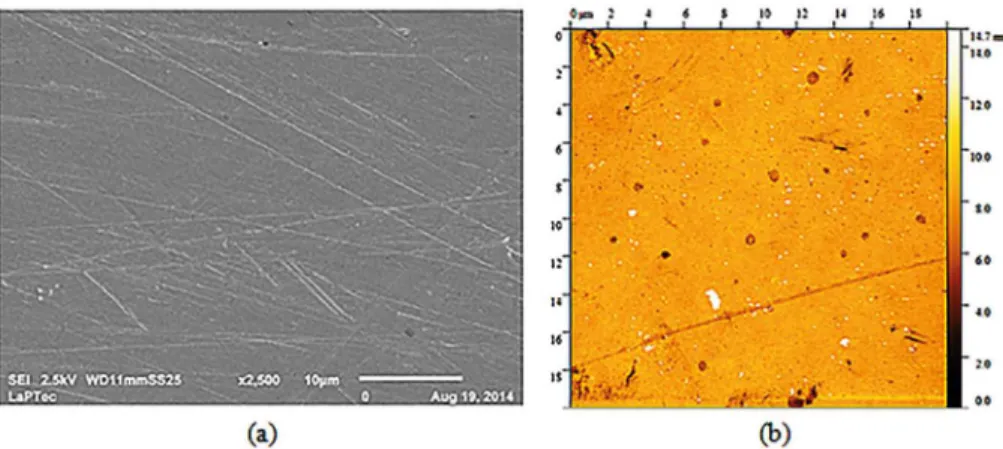
Figure 7 shows the secondary electron micrograph for the bare stainless steel and the two dimensional topographic
proile of the glass plate, respectively used as substrates of
the samples submitted to morphological and topographical analysis. The micrograph of the steel reveals a smooth surface containing scratches. The glass substrate presents regular topography with some defects, generated by both the manufacturing process and the cleaning procedure to which the samples were submitted.
The micrographs and topographic proiles of the ilm containing samples are presented in Figure 8. For the ilm
deposited with the grounded holder (Figure 8a), the surface
follows the substrate imperfections, once the thickness of the layer is reduced (~ 200 nm). In the 20 µm x 20 µm topographical proile particles with diferent dimensions sit on the surface are identiied. From the 2 µm x 2 µm proile it is realized the granular nature of the ilm, characteristic
of alumina structures4, and the incorporation of pores due
to low energy species deposition.
Figure 8. Secondary electron micrographs (left) and topographic
proiles (right and insert) for the ilms deposited using bias signals with duty cycles between 0 and 100%.
In short, the energy deposited by ion bombardment changes the morphology and physical stability of the samples.
The RMS roughness of the samples, evaluated from the
20 μm x 20 μm proiles, is presented in Figure 9 as function
Figure 9. RMS roughness of the ilms as function of the duty cycle of the bias signal. The dotted line represents the roughness for the
bare glass substrate. The inserts represent 3D topographic proiles
of the corresponding samples.
of the duty cycle of the pulses. The dotted line in this
igure represents the roughness of the bare glass substrate. Duty cycle is observed to afect the roughness of the ilms
consistently with the topographical evolution observed in
the samples proiles. The roughness values found here are similar to those reported by Nakao et al.32 for alumina ilms
that sufered post deposition ion bombardment.
4. Conclusions
The association of ion bombardment to the reactive sputtering of Al(acac)3 afects the thickness, chemical composition, morphology, topography and roughness of the
samples, transforming the organic-containing alumina into an organic material with oxide inclusions.
The ions present in the deposition process are implanted in
the ilm-air interface or underneath the surface. The dissipated energy does not efectively promote organic removal. Instead,
the abundance of organic ions in the deposition atmosphere turns their implantation a contamination source for the process. The more evident chemical changes induced by ion bombardment are related to the loss of hydrogen, since carbon is more interconnected. Under the conditions employed here, ion bombardment does not provide enough energy to promote precipitation of crystalline phases of alumina.
Controlling the duty cycle of the bias signal enables to
tailor the concentration of charged fragments reaching the
substrate, but not the fragment type, deined by the reactive
sputtering conditions. Surface microstructure and roughness
are inluenced by the duty cycle of the pulses while chemical composition is barely afected. The crosslinking probability is
increased by the preferential loss of H, changing the overall structural conformation.
In general, the association of ion bombardment to the
high thicknesses. The optimum condition was considered that which employed continuous bias (Δ = 100%) due to the convenient physical properties of the ilm, the greater
simplicity and lower cost of the equipment. However, it did not favor the formation of stoichiometric alumina or the precipitation of crystalline phases of this material.
Considering the base (4.2 Pa) and working (11.0 Pa)
pressures employed here, a great amount of impurities
(CO2, atmospheric O2 and H2O) is expected to take part
of the deposition. However, the main contaminants of
the structure still are C and H, coming from the precursor
compound. Since organic incorporation is a consequence of
the incomplete fragmentation of the precursor, the reinement of this methodology is based on changes in the oxygen
proportion diluted in the deposition atmosphere. To increase
the ion bombardment energy while reducing the ion lux are
possibilities that can also provide less organic contamination,
as reported in other works. Finally, higher energies should
be provided to the growing layer by reducing the pressure during deposition, increasing the intensity and time of the bias pulses, applying resistive heating or combining them to promote the transformation of an amorphous structure into a crystalline one.
5. Acknowledgments
The authors would like to thank LNNano (National Laboratory of Nanotechnology)/CNPEM (Campinas Brazil) for the AFM analysis and the inancial support supplied by FAPESP (2012/14708-2) and CNPq (303662/2015-8) for
this project.
6. References
1. Rodriguez P, Caussat B, Iltis X, Ablitzer C, Brothier M. Alumina coatings on silica powders by Fluidized Bed Chemical Vapor
Deposition from aluminium acetylacetonate. Chemical
Engineering Journal. 2012;211-212:68-76.
2. Yamada-Takamura Y, Koch F, Maier H, Bolt H. Characterization of α-phase aluminum oxide ilms deposited by iltered vacuum
arc. Surface and Coatings Technology. 2001;142-144:260-264.
3. Natali M, Carta G, Rigato V, Rossetto G, Salmaso G, Zanella P. Chemical, morphological and nano-mechanical characterizations
of Al2O3 thin ilms deposited by metal organic chemical vapour deposition on AISI 304 stainless steel. Electrochimica Acta.
2005;50(23):4615-4620.
4. Cibert C, Hidalgo H, Champeaux C, Tristant P, Tixier C, Desmaison J, et al. Properties of aluminum oxide thin ilms deposited by
pulsed laser deposition and plasma enhanced chemical vapor deposition. Thin Solid Films. 2008;516(6):1290-1296.
5. Lin CH, Wang HL, Hon MH. Preparation and characterization
of aluminum oxide ilms by plasma enhanced chemical vapor
deposition. Surface and Coatings Technology.
1997;90(1-2):102-106.
6. Zhao YW, Suhr H. Aluminium oxide thin ilms prepared by plasma-enhanced chemical vapour deposition. Applied Physics A. 1992;55(2):176-179.
7. Kyrylov O, Cremer R, Neuschütz D. Deposition of alumina hard
coatings by bipolar pulsed PECVD. Surface and Coatings
Technology. 2003;163-164:203-207.
8. Sarakinos K, Music D, Nahif F, Jiang K, Braun A, Zilkens C,
et al. Ionized physical vapor deposited Al2O3 ilms: Does subplantation favor formation of α-Al2O3? Physica Status
Solidi: Rapid Research Letters. 2010;4(7):154-156.
9. Koo J, Kim S, Jeon S, Jeon H, Kim Y, Won Y. Characteristics
of Al2O3 Thin Films Deposited Using Dimethylaluminum
Isopropoxide and Trimethylaluminum Precursors by the
Plasma-Enhanced Atomic-Layer Deposition Method. Journal of the
Korean Physical Society. 2006;48(1):131-136.
10. Mahnke M, Wiechmann S, Heider HJ, Blume O, Müller J. Aluminum Oxide Doped with Erbium, Titanium and Chromium
for Active Integrated Optical Applications. AEU -International Journal of Electronics and Communications. 2001;55(5):342-348.
11. Nielsen GF, Silva LHF, Cruz NC, Rangel EC. Preparation of ilms from aluminum acetylacetonate by plasma sputtering.
Surface and Interface Analysis. 2013;45(7):1113-1118.
12. Maruyama T, Arai S. Aluminum oxide thin ilms prepared by
chemical vapor deposition from aluminum acetylacetonate.
Applied Physics Letters. 1992;60(3):322.
13. Muhsin AE. Chemical Vapor Deposition of Aluminum Oxide (Al2O3) and Beta Iron Disilicide (β-FeSi2) Thin Films. [Thesis].
Duisburg: Universität Duisburg-Essen; 2007.
14. Battaglin FAD, Hosokawa RS, Cruz NC, Caseli L, Rangel EC, Silva TF, et al. Innovative low temperature plasma approach for deposition of alumina ilms. Materials Research.
2014;17(6):1410-1419.
15. Konstantinidis S, Jiang K, Roobroek A, Renaux F, Schneider JM. Pulsed Plasma Enhanced Chemical Vapor Deposition of Alumina Thin Films: Inluence of the Duty Cycle on Structure
and Elastic Properties. Plasma Processes and Polymers.
2011;8(7):651-657.
16. Rangel RCC, Souza MEP, Schreiner WH, Freire CMA, Rangel EC, Cruz NC. Efect of the luorination of DLC ilm on the
corrosion protection of aluminum alloy (AA 5052). Surface and Coatings Technology. 2010;204(18-19):3022-3028.
17. Leng Y. Materials Characterization: Introduction to Microscopic and Spectroscopic Methods. Singapore: John Wiley and Sons (Asia); 2008.
18. Hovington P, Drouin D, Gauvin R. CASINO: a new monte carlo code in C language for electron beam interaction - part
I: description of the program. Scanning. 1997;19(1):1-14.
19. Jeynes C. Elastic Backscattering of Ions for Compositional
Analysis. In: Kaufmann EN, ed. Characterization of Materials.
Hoboken: Wiley; 2012. p. 1-21.
20. Silva TF, Rodrigues CL, Mayer M, Moro MV, Trindade
GF, Aguirre FR, et al. MultiSIMNRA: A computational
tool for self-consistent ion beam analysis using SIMNRA.
Section B: Beam Interactions with Materials and Atoms.
2016;371:86-89.
21. Mayer M. SIMNRA: a simulation program for the analysis
of NRA, RBS and ERDA. AIP Conference Proceedings.
1999;475(1):541.
22. Gurbich AF. SigmaCalc recent development and present status of the evaluated cross-sections for IBA. Nuclear Instruments and Methods in Physics Research Section B: Beam Interactions with Materials and Atoms. 2016;371:27-32.
23. Cheng HS, Shen H, Yang F, Tang JY. Cross sections for non-Rutherford backscattering of 4He from ive light elements. Nuclear
Instruments and Methods in Physics Research Section B: Beam Interactions with Materials and Atoms. 1994;85(1-2):47-50.
24. Prado ES. Técnica híbrida de plasma para deposição de ilmes
de alumina. [Dissertation]. Bauru: Universidade Estadual
Paulista Júlio de Mesquita Filho; 2015. 102 f.
25. Nielsen GF. Filmes orgânicos contendo óxido de alumínio depositados a plasma. [Dissertation]. Bauru: Universidade
Estadual Paulista Júlio de Mesquita Filho; 2011. 81 f.
26. Rangel EC, Machida M, Durrant SF, Cruz NC. A Novel Plasma Technique for Surface Treatment: The Plasma Expander. IEEE Transactions on Plasma Science. 2012;40(2):492-496.
27. Rangel EC, Cruz NC, Lepienski M, Moraes MAB, Lepienski CM. Inluence of Ar+ ion irradiation on the properties of plasma polymerized acetylene ilms. Surface and Coatings Technology.
2000;127(1):93-98.
28. Rangel EC. Implantação iônica em ilmes inos depositados
por PECVD. [Thesis]. Campinas: Universidade Estadual de
Campinas; 1999.
29. Schmidt BW, Rogers BR, Gren CK, Hanusa TP. Carbon incorporation in chemical vapor deposited aluminum oxide ilms. Thin Solid Films. 2010;518(14):3658-3663.
30. Sant’Ana PL. Plásticos comerciais tratados a plasma para
dispositivos ópticos e embalagens alimentícias. [Thesis]. Bauru: Universidade Estadual Paulista Júlio de Mesquita Filho; 2014. 109 f.
31. Chryssou CE, Pitt CW. Al2O3 thin ilms by plasma-enhanced
chemical vapour deposition using trimethyl-amine alane (TMAA)
as the Al precursor. Applied Physics A. 1997;65(4):469-475.
32. Nakao S, Jin P, Xu G, Ikeyama M, Miyagawa Y, Miyagawa S. Crystallization of amorphous alumina ilms induced by
high-energy ion irradiation. Journal of Crystal Growth.
2002;237-239(Pt 1):580-585.
33. Emmert GA. Model for expanding sheaths and surface charging
at dielectric surfaces during plasma source ion implantation.
Journal of Vacuum Science & Technology B, Nanotechnology and Microelectronics: Materials, Processing, Measurement, and Phenomena. 1994;12(2):880.
34. Nable JC, Suib SL, Galasso FS. Metal organic chemical vapor
deposition of Al2O3 and Cr2O3 on nickel as oxidation barriers.