w w w . j c o l . o r g . b r
Journal
of
Coloproctology
Original
Article
The
impact
of
colostomy
on
the
patient’s
life
Karis
de
Campos
a,∗,
Luiz
Henrique
Benites
Bot
a,b,
Andy
Petroianu
c,
Priscila
Argento
Rebelo
b,
Angela
Alves
Correia
de
Souza
a,
Ivone
Panhoca
aaUniversidadedeMogidasCruzes,FaculdadedeMedicina,MogidasCruzes,SP,Brazil
bHospitaldasClínicasLuziadePinhoMelo,MogidasCruzes,SP,Brazil
cUniversidadeFederaldeMinasGerais,FaculdadedeMedicina,DepartamentodeCirurgia,BeloHorizonte,MG,Brazil
a
r
t
i
c
l
e
i
n
f
o
Articlehistory:
Received14December2016 Accepted27March2017 Availableonline10May2017
Keywords: Colostomy Qualityoflife
Digestivesystemsurgical procedures
a
b
s
t
r
a
c
t
Purpose:Toevaluatetheemotional,psychological,sexual,social,andprofessionalimpact, beforeandaftersurgery,onindividualssubmittedtoacolostomy.
Methods:Thestudywascarriedoutintwostages,withtheparticipationof15individuals. First,weevaluatedtheemotional,psychic,sexual,social,andprofessionalaspectsoftheir lives,inthepreoperativeperiodofcolostomysurgery.Afterthat,thesameaspectswere evaluatedsixmonthsafterthesurgery.Thisevaluationwasbasedontheapplicationofa questionnairewith16objectivequestions.
Results:Oftheinterviewees,53.64%decreasedtheirwillingnesstogooutanddoactivities outsidetheirhomes,withastatisticalsignificanceofp=0.001.Regardingtheenvironment, 53.85%oftheintervieweesshowedaperceptionofworseningoftheenvironment.About physicalactivity,66.65%showedadifferenceintheperformanceofphysicalactivityafter colostomy,beingstatisticallysignificant,withp=0.001.Thesportsenvironmentdidnot changein50%oftheparticipants.Patientsexualityshowedasignificantdeclinewith sta-tisticalsignificance(p=0.008).
Conclusion: Theimpactthatthecolostomygeneratedonthepatients’lives,regardingthe evaluatedaspects,wasperceptible,beingofgreatimportancethecarefulindicationofthis proceduretothepatient.
©2017PublishedbyElsevierEditoraLtda.onbehalfofSociedadeBrasileirade Coloproctologia.ThisisanopenaccessarticleundertheCCBY-NC-NDlicense(http:// creativecommons.org/licenses/by-nc-nd/4.0/).
O
impacto
da
colostomia
na
vida
de
seus
portadores
Palavras-chave: Colostomia Qualidadedevida
Procedimentoscirúrgicosdo sistemadigestório
r
e
s
u
m
o
Objetivos:Avaliaroimpactoemocional,psíquico,sexual,socialeprofissional,prée pós colostomia,emindivíduosquepassaramporcirurgiadecolostomia.
Método:Foirealizadoemduasetapascomparticipac¸ãode15indivíduos.Naprimeirahouve avaliac¸ãosobreosaspectosemocional,psíquico,sexual,socialeprofissionaldesuasvidas, nomomentopré-operatórioàcirurgiadecolostomia.Nasegundaavaliaram-seosmesmos
∗ Correspondingauthor.
E-mail:[email protected](K.Campos). http://dx.doi.org/10.1016/j.jcol.2017.03.004
aspectosseismesesapósacirurgia.Estaavaliac¸ãofoiapartirdaaplicac¸ãodeum ques-tionáriocom16questõesobjetivas.
Resultados: Dosentrevistados,53,64%diminuíramavontadedesairefazeratividadesfora dolar,comsignificânciaestatísticadep=0,001.Quantoaoambienteinstalado,em53,85% dosentrevistadosapresentarampercepc¸ãodepioradoambiente.Emrelac¸ãoàatividade física,66,65%dosparticipantesapresentaramdiferenc¸anodesempenhodaatividadefísica pós-colostomia,sendoestedadoestatisticamentesignificantecomp=0,001.Oambiente esportivonãomudoupara50%dosparticipantes.Asexualidadedopacienteevidenciou grandedecaimentocomsignificânciaestatística(p=0,008).
Conclusão: Foiperceptíveloimpactoqueacolostomiagerounavidadeseusportadoresnos aspectosavaliados,sendodegrandeimportânciaaindicac¸ãocriteriosadesseprocedimento aopaciente.
©2017PublicadoporElsevierEditoraLtda.emnomedeSociedadeBrasileirade Coloproctologia.Este ´eumartigoOpenAccesssobumalicenc¸aCCBY-NC-ND(http:// creativecommons.org/licenses/by-nc-nd/4.0/).
Introduction
Colostomyisasurgicalprocedurethataimstodivertintestinal transitwhenitisanatomicallyimpossibleforfecalexcretion tooccurthroughtheanalcanal.Thesurgicaltechniqueused toperformthisprocedureconsistsintheincisionofthecolon wallanditsposteriorexteriorizationintheabdominalwall, allowingtheexcretionoffecesandgases.1
Manypathologiesaffectingthelowergastrointestinaltract canculminateinacolostomy,suchasdiverticulitis,colorectal tumors,colonandrectumtrauma,inflammatorydiseases,and congenitalanomalies.2Dependingontheetiologythatledto theneedforacolostomy,itmaybepermanentortemporary.3 Regardingthenumberofostomizedindividuals,thereare 33,864peoplewiththisconditioninBrazil,andintheStateof SãoPauloalonethereare9200individuals.4
Itisimportanttomentionthatthecolostomized individ-ualsdonotgothrough aphysicaltransformation only,but alsothroughapsychosocialone,makingthemfaceanxieties, fearsandadaptationstotheirbody’sself-image3,5–10andsuch issuesshouldbeaddressedbyhealthprofessionals,including thephysician.
Inasystematicreviewoftheliterature,11theanalyzed arti-clesmentioned alterationsrelatedtothe colostomy:sexual problems,depression,constipation,intestinalgases, dissat-isfaction withone’s physicalappearance, difficulties when traveling,changesinthewardrobe,fatigue,andconcernwith ostomysounds.Thus,thereisadeclineinsocial participa-tion,sinceindividualsoftenisolatethemselvesfromothers, inadditiontooftenfeelingthatpeoplewhousedtobeclose tothemhavebecomedistant.12Changesinthesexuallifeof thecolostomizedindividualareduetolossoflibido,change inone’sbodyself-imageandfearofleakageoffecesorgases duringsexualintercourse.6
Consideringalltheabove,thisstudyisnecessary,sincethe physicianwhowillassisttheseindividualsmustbeawareof thechangesthataffectthemcausedbythecolostomy.13
Therefore,theaimofthisstudywastoevaluatethe emo-tional,psychological,sexual,socialandprofessionalimpactof thecolostomyonindividualssubmittedtothistypeof inter-vention,comparingtheseaspectsbeforeandafterthesurgery.
Method
ThepresentstudywassubmittedtotheEthicsandResearch CommitteeofUniversidade deMogidas Cruzes(UMC),and approvedundernumber 696,332and totheResearchEthics CommitteeofHospitaldasClínicasLuzia dePinhoMelo,of whichapprovalisunderN.003/14.Allthestudyparticipants signedtheFreeandInformedConsentform.
Fifteenindividualssubmittedtoacolostomysurgerywere invitedtoparticipateinthestudyfromAugust2014to Novem-ber2014.Asthereweretwodeathsattheendofthestudy,the numberofparticipantscomprised13individuals.Thenumber ofsubjectswasdefinedbasedonthenumberofindividuals whounderwentthisprocedureandmettheinclusioncriteria usedinthisstudy,mentionedlater.Allsubjectsansweredthe questionnaireinthehospital,whiletheywerehospitalized,at thepreoperativeorpostoperativeperiodofthecolostomy.
All individuals aged 20 years or older with cognitive integrity and who agreed to voluntarily participate in the study,aftersigningtheFreeandInformedConsentform,were includedinthisstudy.
Individuals who had significant impairments, such as cognitivefunctionimpairment,severeorprofound auditory impairmentwithoutintervention,orthosewhohad compre-hensiondifficultieswerenotchosentoparticipateinthestudy, aswellasthosewhocouldnotsigntheirnamesandwhodid nothaveaguardiantodosoontheirbehalf.
The study was divided into two stages. The first one consistedintheassessmentofsomegeneralaspectsofthe individuals’life,inthepreoperativeperiodofthecolostomy surgery.Inthesecondpart,thesameaspectswereassessed, but sixmonthsafterthesurgery,aimingtoassess whether thereweredifferencesbetweenthepreoperativeand postop-erativeresponses.
Theevaluationwas carriedout throughaquestionnaire thatincludedquestions regardingthegeneralidentification oftheindividual,includingacademic,professionalquestions, aswellasquestionsonthetimeofsurgery.
withscoresrangingfrom 1to5foreachquestion,withthe patientbeinginstructedtoansweraccordingtothedegreeof intensityforeachassesseditem(verybad,bad,regular,good andexcellent),sothattherelevantstatisticalanalysiscould beperformed.
Itisnoteworthythatthisquestionnairewascreatedbased ontwoqualityoflife,14,15adaptingthemtotheobjectivesof thepresentstudy.
Thesamequestionnairewasappliedtothesame individ-ualsassessedinthefirstpartofthestudysixmonthsafterthe colostomysurgery,thatis,fromFebruary2015toMay2015at theplaceoftheirchoice.Therefore,someansweredthe ques-tionnaireathome,othersinthehospitalwhilewaitingforan appointmentand othersbytelephone.Inthepostoperative period,twoquestionswereaskedattheendofthe question-naire,whicharespecificforthispublic,asfollows:whetherthe studysubjectparticipatedornotinagroupofcolostomized individuals,which could befoundin twoaddresses inthe municipalityofMogidasCruzes;andwhetherthis participa-tionhadhelpedhimorherovercomethedifficultiesresulting fromthesurgery.
Statisticalanalysis
Theresultswere analyzedthroughthe descriptiveanalysis ofeach question,inaddition tothe parametric Student’st testtocomparethepre-andpostoperativequestionnairesof theassessedindividuals.Thelevelofsignificancewassetat p≤0.05.
Results
Data on 15 patients were initially collected in the first questionnaireto evaluate the pre-colostomy life and after 6 months, they were assessed again regarding the post-colostomyevaluation.Thereweretwodeathsand,therefore, atotalof13participantsattheendofthecollection.
Thedataofthestudyparticipantswerecollected, show-ingamean age of66.3 years,65%ofthe sampleconsisted ofmales,and35%,females.Asfortheparticipants’levelof schooling,38.46%ofthemhadnotfinishedElementarySchool, 30.76%hadfinishedElementarySchool,15.38%hadfinished HighSchooland7.70%wereilliterate;75%ofthemwere mar-riedand40%wereretired.
Regardingtheworkactivity,76.92%ofthesampleworked atthetimeofthefirstinterviewandonly30%continuedto workafterthecolostomysurgery.Thus,consideringonlythose who returned totheir professional activities (evaluation of howmuchthe individual wasableto performwork activi-tiesatthepre-colostomyandpost-colostomyperiods),33.33% oftheparticipantshada4-pointdecrease,whencomparing bothquestionnaires;33.33%decreased2pointsand33.33% decreasedonly1point.Thismeansthataconsiderable num-berofthemhadalargedeclineintheirprofessionalactivity performance.However,thisresultwasnotstatistically signif-icant(p=0.64).
Regarding the work environment before and after the colostomy,thatis,thetypeofrelationshipwithco-workers, considering onlythose who returned to work (30% of the
0.00% 10.00% 20.00% 30.00% 40.00% 50.00% 60.00% 70.00% 80.00% 90.00%
Family environment Social activity at home
Did not change Decreased 1 point Decreased 2 points
Decreased 3 points Increased 1 point
76.92%
15.38%
7.70%
53.84%
23.07%
7.70% 7.70%
7.70%
Fig.1–Pre-andpost-colostomycomparisonregardingthe familyaspectofthecolostomizedpatient.
sample working in the first interview),it was shown that 33.33% decreased 3 points when comparing the pre- and post-colostomyquestionnaires,thatis,theprofessional envi-ronmentworsenedafterthecolostomy.Ontheotherhand, 33.33%decreasedonlyonepoint,beinginitially5pointsin thepre-colostomyperiodanddecreasingto4pointsafterthe surgery,whereastheremaining33.33%didnotnoticeany dif-ferenceregardingthepre-andpost-colostomyenvironment, withoutanydecreaseinthescore.
Regardingtheindividual’swillingnesstodosocial activi-tiesoutsidethehome,suchasgoingtofriendsorrelatives’ housesandgoingtorestaurants,cinemasorreligioustemples, forinstance,itwasobservedthat38.46%oftheparticipants maintainedthesamewillingnesstodoactivitiesoutsidethe homeevenafterthecolostomy,23.07%had adecrease of1 pointinthedesiretoleavethehouseandthesamepercentage showedadecreaseof3pointsinthewillingnesstodo exter-nalactivities.Itwasalsoobservedthat7.70%hada2-point decreaseandthesamepercentageshoweda4-pointdecrease inthewillingnesstoleavehometodootheractivities.These datashowedstatisticalsignificance,withp=0.001.
Regarding the socialenvironment existing between the patient and people present atthe site(outside the home), 46.15% saidtherewere no changesinthe scoresregarding howthisenvironmentwasinpre-andpost-colostomyperiods; 15.38%showedadecreaseof2points,thesamepercentage showedadecreaseof1point,and15.38%ofthemhada one-pointincreaseafterthecolostomy.Therewasalsoadecrease of 1point between the pre- and post-colostomy question-nairesin7.70%oftheinterviewees.Therewasnostatistical significanceforthisquestion,withavalueofp=0.051.
Sexual life
Did not change
Lost 1 point
Lost 2 points
Lost 3 points
41.66% 25%
25%
8.33%
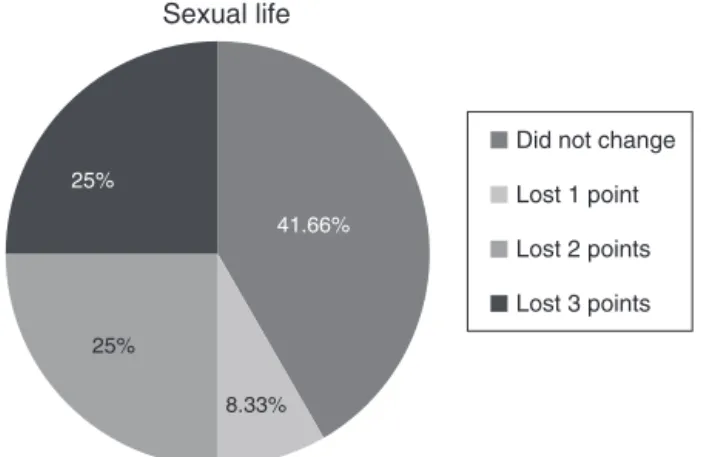
Fig.2–Changesinthesexuallifeoftheparticipantsbefore andafterthecolostomy;pvalue=0.008.
Asfortheenvironmentwithphysicalactivityandsports before and after the colostomy, only 6of the participants wereabletorespond.Regardingphysicalactivity,abouthow muchthestudysubjectwasabletodooftheproposed exer-cises,33.33%hada4-pointdecreasewhencomparingthe pre-andthepost-colostomyquestionnaires.For16.66%of respon-dents, there was a3-point decrease in performancewhen comparing thepre- and post-questionnairesand the same percentageofsubjectshada5-pointdecreaseforthis compar-ison.Therewasnochangeinperformancebeforeandafter thecolostomyfor16.66%oftheanalyzedcases.Stillrelated totheperformanceofphysicalactivities,therewasone indi-vidualwhodidnotperformanyactivitybeforethecolostomy andwhostarteddoingthemafterthesurgeryandthescore givenbythatindividualwas4points,thatis,therewasagain of4pointsbetweenthepre-andpost-colostomyperiods.This questionshowedstatisticalsignificance,withapvalue=0.001. Asforthesportsenvironmentbetweenthestudy partici-pantandtheothersportscolleagues,50%saidtherewereno changesinthequalityofthepre-andpost-colostomy envi-ronment;16,66%saidtherewasa4-pointdecreaseafterthe colostomy;and16.66%saidtherewasadecreaseof5points, sincetheparticipantperformedphysicalactivitiesbeforethe surgery,butstoppedafterthecolostomy.Therewasalsoagain of4pointsinthecomparisonofthepre-andpost-colostomy periodsforonesubject(16.66%).Thisquestionshowed statis-ticalsignificance,withp=0.04.
Regarding how the participants assessed their overall health,beforeandafterthecolostomysurgery:7.70%hada 4-pointdecreasewhencomparingoverallhealthbeforeand afterthecolostomy;23.07%hada2-pointdecreasebetween thepre-andpost-colostomyperiodsandthesamepercentage hada1-pointdecreaseinthesamecomparison.For23.07%of theinterviewees,therewasnochangeintheoverall health status.For15.38%,therewasagainof1point,referringtoan improvementintheoverallhealthstatusafterthecolostomy whencomparedtothepre-colostomyperiod.For7.70%,there wasagainof2pointswhencomparing thequestionnaires relatedtothisquestion.Thisquestionshowedstatistical sig-nificance,withapvalue=0.04.
Regardingthechangesintheparticipants’sexuallife,Fig.2 showstheresults.
Asforthe lasttwoquestions askedinthe secondstage ofthis research,that is,ifthe participantparticipatedina colostomysupportgroup,100%ofthemreportednever attend-ingaspecializedgroup.Whenaskedaboutthereasontheydid notseektoparticipateinthesegroups,thereasonsgivenwere relatedtobeinghospitalizedwithnopredictionofdischarge, lackofknowledgethatexisted,greatdistancebetweenthe grouplocationandthepatient’shome,beingwelladaptedto thecolostomy,andextraexpensesrelatedtotransportation fromhometowherethegroupwaslocated.
Discussion
With the need for a surgical intervention to receive a colostomypouch,patientsmustgothroughchangesregarding severalaspectsoftheirlives,16inordertoadapttotheirnew conditionandhavethebestpossiblequalityoflife.
Thisstudy,whichcomprised13individualswho,for dif-ferentreasons,weresubmittedtoacolostomy,showedthere wereseveralchangesintheirdailylives,whencomparinglife beforeandafterthecolostomy.Suchchanges,ingeneral,are demonstratedbytheliterature,whichmentionsthatduring adiseaseprocess,thereisahighemotionalloadandthatit eventuallyinterfereswiththeindividual’slifeprocess.17
As for the specificitiesof each aspect evaluated in this study,regardingthesocialscope,therewasachangein per-formance,whichwasreducedinallcases,albeitatdifferent levels,inthefunctionsperformedbeforethecolostomy.The workingenvironmentdidnotchangefor33.33%ofthesample. Althoughnotstatisticallysignificant,suchdatadisclosesthe difficultiesexperiencedbytheseindividualsregardingtheir occupationalactivityandtheirsocialrole.Thisfindingisin linewithwhatisdemonstratedintheliterature,thatis,the adaptationprocessisinfluencedbytheacceptanceofthese individuals inface oftheirnew conditionand the existing socialstigma.18Moreover,theperceptionthattheindividuals withcolostomy themselves haveofthe decrease orlossof theirproductivecapacityalsoinfluencesthisprocess.5
However,theliteraturealsoshowsthatmanyindividuals restarttheirlivesandmaintaintheirinterpersonal relation-ships,whichisinlinewithwhatwasshowninthepresent study, with 46.15% of respondents showing no difference regardingthestimulustoleavehomeandmeetotherpeople, or the established environment, i.e., the same in the pre-colostomysituation.5
Regardingthesocialactivityathomeandthefamily envi-ronment,therewasnochangefor76.92%and53.84%ofthe participants,respectively. Accordingtothe reportsofsome participants,“thefamilyisthesafehaven”andifitwerenotfor thefamily,theywouldnotknowhowtogothroughtheprocess ofthediseaseandthecolostomy.Thisaspectishighlighted intheliteraturerelatedtothearea,whichreportshowmuch thesupportofthefamilyandsignificantpeopleisimportant forthe rehabilitationand reintegrationofthecolostomized individual.5
Asforthephysicalactivityand theestablished environ-ment,regardingthefirstaspectanalyzedtherewasatotalof 66.65%ofparticipantswhoshowedadifferenceinphysical activityperformancebeforeand afterthecolostomy,witha decreaseof3–5pointsinthisperformance,whichwas statis-ticallysignificantwithp=0.001(consideringthatsixsubjects wereinvolvedinthesequestionsrelatedtophysicalactivity). Thesportsenvironmentdidnotchangefor50%ofthe partic-ipants,whofeltaswelcomeastheydidbefore,whereasthe otherhalfshowedvaryingdegreesofdeteriorationregarding howtheyfeltwelcomedandateaseinthatenvironment.The literatureshowedsimilardata,wherecolostomizedpatients do not usually return or only return partially to “active” leisureactivitiessuchassports,duetotheconcernsaboutthe colostomypouch,fearofneedingtocleanthepouchduring thephysicalactivityandphysicaland/orhealthproblems.5,6
As for the overall health quality, 54.84% of the partici-pantsshowedadecrease,tosomedegree,afterthecolostomy, whereas23.07%hadnopre-andpost-colostomychangesand 23.08%hadagainintheoverallpost-colostomyhealth.This self-perceptionaboutoverallhealthinourstudyisincontrast withthe literature,whichmentionsthattheindividualcan associatetheuseofthecolostomypouchtodiseaseresolution, whichleadstogreaterpositivityregardingrecoveryand adap-tationtothecondition,aswellascontributingtothereduction oftheirsuffering.19
Thereweregreatchangesregardingthepatient’s sexual-ityaspect,withastatisticallysignificantdecrease(p=0.008) inthisfunction.Although41.66%oftheparticipantsdidnot report any changes between the pre- and post-colostomy questionnaires,50%ofthesampleshowedadecreaseof2or3 pointsinthepost-testwhencomparedtothepre-test, show-ingthatthesexuallifedeterioratedafterthecolostomy.These dataarecorroboratedbytheliterature,whichshowsthatthe colostomizedindividualmayfeelashamedinthepresenceof his/herpartner,embarrassmentwiththenewbodyimageand insecurityregarding the colostomy pouch.5,20–23 Some par-ticipants mentionedthat they were embarrassedregarding their partners,whereas others said the partnerwas afraid ofcomplicationsduringthesexualactthatwouldembarrass the patient, suchas colostomy pouch leakage. Others also reportedthe partner’sfear ofhurting thecolostomy pouch site.
Itwasobservedthatnoneofthepresentstudyparticipants hadsoughtanyOstomySupportGroups(OSG),andseveral rea-sonsweregiven,withthemostoftenmentionedonebeingthe lackofknowledgeabouttheexistenceofthesegroups.During theinterview,itwasobservedthatsomedifficultiespresented bythe participantscouldbeattenuatedwiththe participa-tion oftheseindividualsintheOSGs,requiring aperiodof guidanceprovidedbyappropriateprofessionals,wheneverthe individualneeds,toelucidatethefamilyandthecolostomized patient about the changes that will occur,attenuating the difficultiesrelatedtoself-imageandsocial,leisureandwork activities.24
Conclusions
Consideringtheabovementionedfacts,thecomplexityofthe changesthatoccurredinthelifeofthecolostomized individ-ualhasbeendemonstrated.
Oftheaspectsthatwere evaluated,therewasa statisti-callysignificantdecreaseinthewillingnesstoperformsocial activitiesoutsidethehome,physicalactivities,aswellasan importantdeclineinthesexualarea.Suchchanges demon-stratethe importanceofaholistic approach,and acareful indicationofthisproceduretothepatientbythephysician.
Funding
CNPq/PIBIC.
Conflicts
of
interest
Theauthorsdeclarenoconflictsofinterest.
Acknowledgements
ToConselhoNacionalde DesenvolvimentoCientíficoe Tec-nológico(CNPq),whichprovidedfundingsupportthrougha PIBICscientificinitiationgrant.
r
e
f
e
r
e
n
c
e
s
1.AverbachM,RibeiroPC.Apendicectomiascolostomiase colectomias.In:GoffiFS,editor.Técnicacirúrgica:bases anatômicas,fisiopatológicasetécnicasdacirurgia.4edic¸ão SãoPaulo:Atheneu;2007.p.613–25.
2.MelottiLF,BuenoYM,SilveiraGV,SilvaMEN,FedosseE. Characterizationofpatientswithostomytreatedatapublic municipalandregionalreferencecenter.JColoproctol. 2013;33:70–4.
3.SaloméGM,AlmeidaSA.Associationofsociodemographic andclinicalfactorswiththeself-imageandself-esteemof individualswithintestinalstoma.JColoproctol.
2014;34:159–66.
5. CascaisAFMV,MartiniJG,AlmeidaPJS.Oimpactodaostomia noprocessodeviverhumano.TextoContextoEnferm. 2007;16:163–7.
6. BecharaRN,BecharaMS,BecharaCS,QueirozHC,OliveiraRB, MotaRS,etal.Abordagemmultidisciplinardoostomizado. RevBrasColop.2005;25:146–9.
7. SouzaPCM,CostaVRM,MaruyamaSAT,CostaALRC, RodriguesAEC,NavarroJP.Asrepercussõesdevivercomuma colostomiatemporárianoscorpos:individual,sociale político.RevEletrEnf.2011;13:50–9.
8. SaloméGM,PellegrinoDMS,BlanesL,FerreiraLM.
Self-esteeminpatientswithDiabetsMellitusandfootulcers. JTissueViability.2011;20:100–6.
9. ItoN,IshiguroM,UnoM,KatoS,ShimizuS,ObataR,etal. Prospectivelongitudinalevaluationofqualityoflivein patientswithpermanentcolostomyaftercurativeresection forrectalcancer:apreliminarystudy.JWoundOstomyCont Nurs.2012;39:172–7.
10.CoelhoAR,SantosFS,PoggettoMTDA.estomiamudandoa vida:enfrentarparaviver.RevMinEnf.2013;17:258–77. 11.Vonk-KlaassenSM,deVochtHM,denOudenME,EddesEH,
SchuurmansMJ.Ostomy-relatesproblemsandtheiron qualityoflifecolorectalcancerostomates:asystematic review.QualityLifeRes.2016;25:125–33.
12.SousaSMA.Qualidadedevidaemclientesostomizados.Text ContEnferm.1999;8:162–82.
13.HiranoHKM,SeidVE,GalvãoFHF,D’AlbuquerqueLAC. Transplanteanorretalcomopropostaterapêutica.RevMed. 2013;92:34–42.
14.CiconelliRM,FerrazMB,SantosW,MeinãoI,QuaresmaMR. Traduc¸ãoparaalínguaportuguesaevalidac¸ãodo
questionáriogenéricodeavaliac¸ãodequalidadedevida SF-36(BrasilSF-36).RevBrasReumatol.1999;39:143–50.
15.FayersPM,AaronsonNK,BjordalK,GroenvoldM,CurranD, BottomleyA,OnbehalfoftheEORTCqualityoflifegroup.The EORTCQLQ-C30scoringmanual.3rded.Brussels:European OrganizationforResearchandTreatmentofCancer;2001. 16.SousaCF,BritoDC,BrancoMZPC.Depoisdacolostomia... vivênciasdaspessoasportadoras.EnfemFoco.2012;3:12–5. 17.CamposAF.Implicac¸õesdapresenc¸adeumacolostomiana
vidadapessoaefamília[dissertac¸ão].EscolaSuperiorde SaúdedeVianadoCastelo–InstitutoPolitécnicodeVianado Castelo;.2014.
18.SaloméGM,AlmeidaSA,SilveiraMM.Qualityoflifeand sel-esteemofpatienswithintestinalstoma.JColoproctol. 2014;34:231–9.
19.SonobeHM,BarichelloE,ZagoMM.Avisãodocolostomizado sobreousodabolsadecolostomia.RevBrasdeCancerol. 2002;48:341–8.
20.SouzadeLúciaMC.Sexualidadedoostomizado.In:Santos VLCG,CesarettiIUR,editors.Assistênciaemestomaterapia: CuidandodoOstomizado.SãoPaulo(SP):Atheneu;2005.p. 532.
21.SouzaE,FigueiredoG,LenzaN,SonobeH.Consequenceof theostomyforpatientsandyourfamily.JNursUFPEonline. 2010;4:1081–6.
22.BatistaMRF,RochaFCV,SilvaDMG,SilvaFJGJr.Autoimagem declientescomcolostomiaemrelac¸ãoàbolsacoletora.Rev BrasEnf.2011;64:1043–7.
23.SilvaAL,FaustinoAM,OliveiraPG.Asexualidadedopaciente comostomiaintestinal:revisãodeLiteratura.Revenferm UFPEonline.2013;7:879–87.