Ekaterina Sergueevna Potapova
BCs Genetics
Longitudinal evaluation of hemorheological
markers in acute inflammatory diseases
Dissertação para obtenção do Grau de Mestre em Genética Molecular e Biomedicina
Orientador: Doutora Patrícia Napoleão Co-orientador: Doutora Carlota Saldanha
Júri:
Presidente: Prof. Doutora Paula Maria Theriaga Mendes Bernardo Gonçalves Arguente(s): Prof. Doutora Maria Teresa Ferreira Marques Pinheiro
Vogal(ais): Doutora Patrícia Alexandra Veloso Napoleão
Ekaterina Sergueevna Potapova
BCs Genetics
Longitudinal evaluation of hemorheological
markers in acute inflammatory diseases
Dissertação para obtenção do Grau de Mestre em Genética Molecular e Biomedicina
Orientador: Doutora Patrícia Napoleão Co-orientador: Doutora Carlota Saldanha
Júri:
Presidente: Prof. Doutora Paula Maria Theriaga Mendes Bernardo Gonçalves Arguente(s): Prof. Doutora Maria Teresa Ferreira Marques Pinheiro
Vogal(ais): Doutora Patrícia Alexandra Veloso Napoleão
i
Longitudinal evaluation of hemorheological markers in acute inflammatory diseases
Copyright Ekaterina Sergueevna Potapova, FCT/UNL, UNL
A Faculdade de Ciências e Tecnologia e a Universidade Nova de Lisboa têm o direito, perpétuo e sem limites
geográficos, de arquivar e publicar esta dissertação através de exemplares impressos reproduzidos em papel ou
de forma digital, ou por qualquer outro meio conhecido ou que venha a ser inventado, e de a divulgar através de
repositórios científicos e de admitir a sua cópia e distribuição com objectivos educacionais ou de investigação,
iii
Acknowledgments
A lot of hard work has been put in the making of this thesis, and it was only possible with the help and support from so many people that surround me.
First, I would like to thank Professora Doutora Carlota Saldanha and Patrícia Napoleão, who gave me the opportunity to work with such an interesting topic. Thank you for your support and dedication, and most importantly trust. A special acknowledgment for Patrícia, for her caring, sympathy and wise words.
I would also like to thank Teresa Freitas, who was a real “mother in the workplace” for me. I am so very grateful for all the help, assistance and friendship. All the hours spent teaching me were not in vain. For always being available and having a smile on her face.
To the staff in the hospitals, who is a huge part of these experiments and is essential for the whole process. The nurses Cláudia and Mafalda at hospital de Sta. Marta, who did a wonderfull job and had nothing but patience with me, and also Doutor António Messias and the rest of the team from Hospital Beatriz Ângelo.
To Soraia, Inês, André, Paulo and all my friends, who showed their support and interest in my work and have been there for me for years!
To my family, the list is long but you all support and encourage me in all my decisions and projects. I feel the love. A special thank you to my mother, who is the number one person to do that and never fails me.
v
Resumo
Enfarte agudo do miocádio (AMI), sepsis e artrite reumatóide (AR) são três doenças distintas que têm como factor comum serem doenças inflamatórias. São responsáveis por milhões de mortes por ano em todo o mundo e têm, também, grande peso económico nos recursos hospitalares. Apesar de o conhecimento acerca dos mecanismos destas doenças aumentar de ano para ano, existem ainda muitas lacunas por preencher. A existência de biomarcadores que permitam diagnosticar preventivamente a doença bem como prever desfechos mais desfavoráveis são algumas destas lacunas. Este estudo foi realizado com a intenção de estudar a evolução de quatro marcadores hemorreológicos (deformabilidade eritrocitária, agregação eritrocitária, monóxido de azoto – NO e S-nitrosoglutatuão – GSNO) de modo a compreender o seu mecanismo e as diferenças existentes nos três diversos tipos de doenças inflamatórias. O estudo incidiu sobre quatro grupos: sepsis (14 doentes), AR (25 doentes), enfarte agudo do miocárdio (STEMI; 15 doentes) e controlo (CTR; 15 voluntários saudáveis). No grupo STEMI foram feitas duas medições, correspondendo a primeira à admissão no Serviço de Urgência e a segunda um mês depois. No grupo da sepsis quatro medições foram feitas a cada doente - admissão na Unidade de Cuidados Intensivos (UCI), 24 horas, 72 horas depois e alta da UCI. Observou-se uma diferença significativa dos níveis de agregação eritrocitária para 10s entre os grupos STEMI admissão e controlo. Diferenças significativas de deformabilidade, agregação e GSNO foram observadas entre os grupos sepsis (em qualquer ponto de recolha) e CTR. Para além disto, verificaram-se também variações longitudinais significativas no grupo sepsis para as concentrações eritrocitárias de GSNO. Em conclusão, verificaram-se valores anormais de alguns dos parâmetros hemorreológicos estudados nas doenças inflamatórias estudadas, ou seja, sepsis, AMI e AR. Tais resultados parecem apontar para uma relação entre o processo inflamatório a as alterações hemorreológicas no sangue.
vii
Abstract
Acute myocardial infarction (AMI), sepsis and rheumatoid arthritis (RA) are part of the inflammatory diseases’ group. Every year millions of people are affected and die because of them, all around the globe. In the past years our knowledge of these diseases has increased and a light on their pathophysiology has been shed, but there is still much more to be discovered. Biological markers that would make pre-disease diagnosis possible would change many of the outcomes for patients suffering from them. The aim of this study was to access the evolution of four hemorheological markers (erythrocyte deformability, erythrocyte aggregation, nitric oxide – NO and S-nitrosoglutathione – GSNO) in order to understand their behaviour in three types of inflammatory diseases. Four study groups were created: ST-elevation myocardial infarction (STEMI) group (15 patients), RA (25 patients), sepsis (14 patients) and the control group (CTR; 15 healthy volunteers). In STEMI group two different measurements were taken, one at time of hospital admission and the other after a month. In the sepsis group four measurements were taken throughout the internment in the Intensive Care Unit (ICU): admission, 24 hours, 72 hours after and discharge. Significant difference was observed in the 10s erythrocyte aggregation marker between the STEMI patients at hospital admission and CTR group. Significant differences of deformability, aggregation and GSNO were obtained upon comparison of sepsis patients (at all time-points) and CTR. In addition to this, the longitudinal changes of GSNO erythrocyte concentrations were significant. In conclusion, abnormal values for some of the studied hemorheological parameters were verified in inflammatory diseases, namely myocardial infarction (STEMI), sepsis and rheumatoid arthritis. The results seem to point out to a relation between inflammation and the hemorheological alterations.
ix
Contents
ACKNOWLEDGMENTS ... III
RESUMO ... V
ABSTRACT ... VII
CONTENTS ... IX
FIGURE INDEX... XI
TABLE INDEX... XIII
ABBREVIATIONS ... XV
1.
–
INTRODUCTION ... 1
1.1.–GENERAL INTRODUCTION ... 1
1.2.–INFLAMMATORY DISEASES ... 1
1.2.1. – ACUTE MYOCARDIAL INFARCTION ... 1
1.2.2. – SEPSIS ... 3
1.2.3. – RHEUMATOID ARTHRITIS ... 4
1.3.–BLOOD HEMORHEOLOGY ... 5
1.4.–AIMS OF THIS STUDY ... 7
2.
–
LONGITUDINAL EVALUATION OF HEMORHEOLOGICAL
MARKERS IN PATIENTS WITH ACUTE MYOCARDIAL
INFARCTION ... 9
2.1.–ROLE OF STEMI IN WORLD’S HEALTH ... 9
2.2.–OBJECTIVES ... 9
2.3.–MATERIALS &METHODS ... 10
2.3.1. – STUDY GROUPS ... 10
2.3.2. – METHODS ... 11
2.3.3. – STATISCAL ANALYSIS ... 12
2.4.–RESULTS ... 13
2.4.1. – CHARACTERIZATION OF THE STUDY GROUPS ... 13
2.4.2. – HEMORHEOLOGICAL MARKERS ... 15
2.5.–DISCUSSION ... 18
3.
–
LONGITUDINAL EVALUATION OF HEMORHEOLOGICAL
MARKERS IN PATIENTS WITH SEPSIS ... 25
3.1.–SEPSIS IN TODAY’S WORLD ... 25
3.2.–OBJECTIVES ... 25
3.3.–MATERIALS &METHODS ... 25
3.3.1. – STUDY GROUPS ... 25
3.3.2. – METHODS ... 26
3.3.3. – STATISTICAL ANALYSIS ... 26
3.4.–RESULTS ... 27
3.4.1. – CHARACTERIZATION OF THE STUDY GROUPS ... 27
3.4.2. – HEMORHEOLOGICAL MARKERS ... 27
3.4.3. – LONGITUDINAL VARIATIONS IN SEPSIS GROUP ... 29
3.4.4. – HEMORHEOLOGICAL MARKERS ASSOCIATION TO PROGNOSIS OF SEPSIS GROUP ... 30
3.5.–DISCUSSION ... 32
4.
–
CONCLUSIONS & IMPLICATIONS ... 37
4.1.–CONCLUSIONS ... 37
4.2.–STUDY LIMITATIONS ... 38
4.3.–IMPLICATIONS AND FUTURE RESEARCH ... 38
REFERENCES ... 39
APPENDIX A ... 45
xi
Figure Index
Figure 1.1 - Development of atherosclerosis. The progression of the atherosclerotic lesion from
normal vessel up until the atherosclerotic plaque is formed (Adapted from Wall, 2012). ... 3
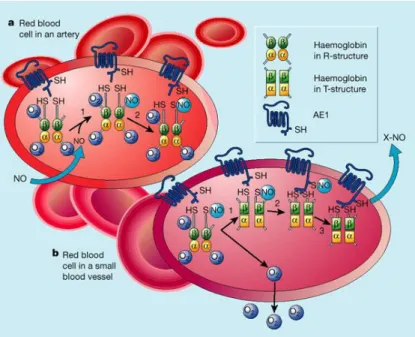
Figure 1.2 - Red blood cells in two types of vessels. This figure shows the uptake and/or release of
nitric oxide by RBC in different vessels (Adapted from Gross SS, 2001). ... 5
Figure 1.3– Synthesis of GSNO. GSNO pathways along his synthesis (Adapted from Colagid,
S-Nitrosoglutathione, www.wikipedia.org). ... 7
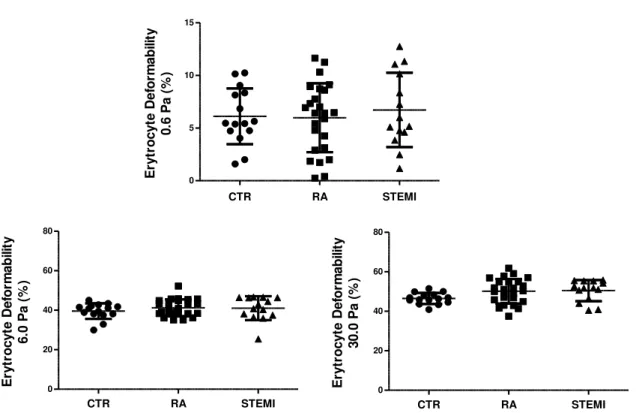
Figure 2.1 - Variations of erythrocyte deformability, at 0.6 Pa, 6.0 Pa and 30.0 Pa, between the
control, RA and STEMI (day 0) groups. ... 15
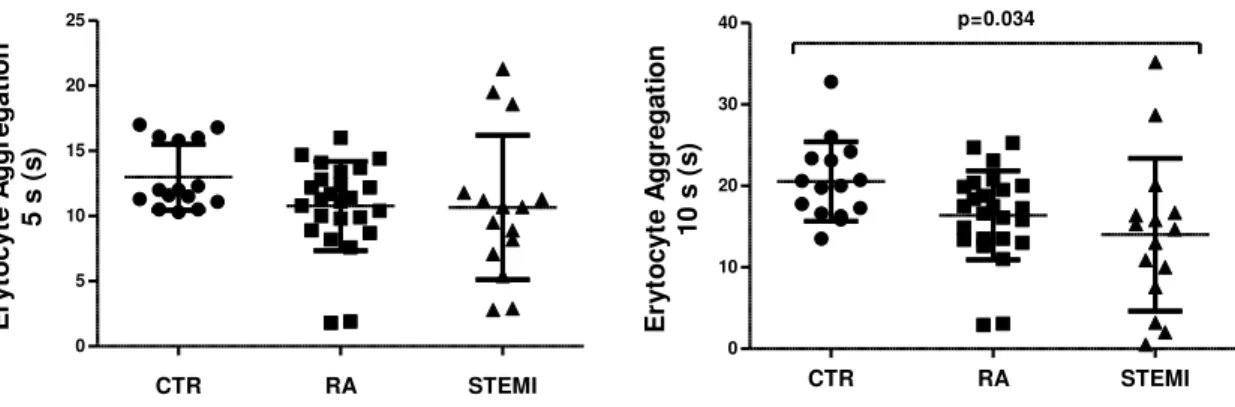
Figure 2.2 - Variations of erythrocyte aggregation at 5 s and 10 s between the control, RA and STEMI
(day 0) groups. ... 16
Figure 2.3 - Variations of erythrocyte NO and GSNO between the control, RA and STEMI (day 0)
groups. ... 16
Figure 2.4– Longitudinal variations of erythrocyte deformability (at 0.6 Pa, 6.0 Pa and 30.0 Pa) and
aggregation (at 5s and 10s) of STEMI patients at hospital admission and 30 days after. ... 17
Figure 2.5– Longitudinal variations of concentration of NO and GSNO in erythrocyte of STEMI
patients at hospital admission and 30 days after. ... 17
Figure 3.1 - Variations of erythrocyte deformability, at 0.6 Pa, 6.0 Pa and 30.0 Pa, between the groups
of sepsis patients at UCI admission and of controls. ... 28
Figure 3.2 - Variations of erythrocyte aggregation, at 5 s and 10 s, between the groups of sepsis
patients at UCI admission and of controls. ... 29
Figure 3.3 - Variations of NO and GSNO between the groups of sepsis patients at UCI admission and
of controls. ... 29
Figure 3.4– Longitudinal variations of erythrocyte deformability (at 0.6 Pa, 6.0 Pa and 30.0 Pa) and
aggregation (at 5s and 10s) in sepsis patients at four time-points. ... 30
Figure 3.5– Longitudinal variations of concentration of NO and GSNO in erythrocyte deformability
of sepsis patients at four time-points. ... 30
Figure 3.6– Longitudinal variations of erythrocyte deformability (at 0.6 Pa, 6.0 Pa and 30.0 Pa) and
aggregation (at 5 s and 10 s) in sepsis patients that survived (full line) and those that were dead before UCI discharge (dash line). ... 31
Figure 3.7– Longitudinal variations of concentration of NO and GSNO in erythrocyte deformability
xiii
Table Index
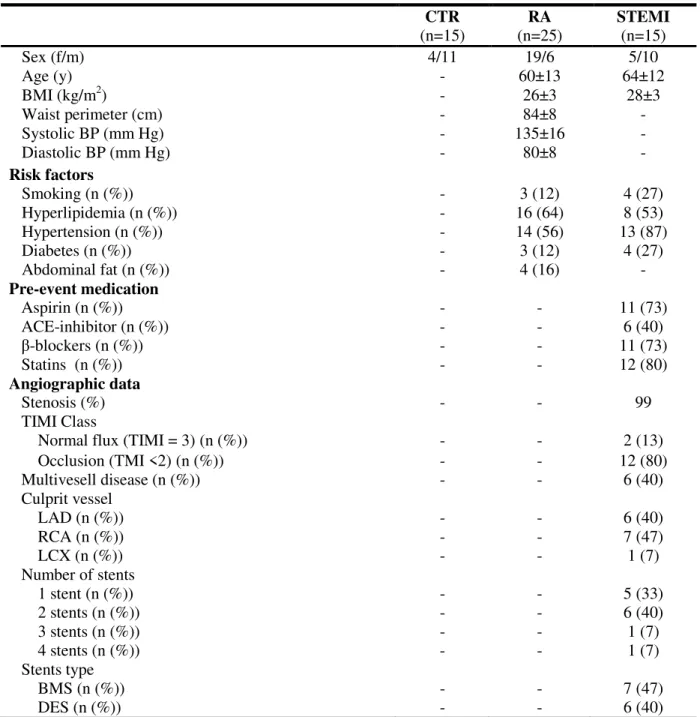
Table 2.1 - Baseline clinical characteristics of the subjects enrolled. Culprit Vessel: RCA - right
coronary artery; LCX - left circumflex artery; LAD - left anterior descending coronary artery. Stent type: BMS - bare-metal stent; DES - drug-eluting stent. ... 14
Table 3.1 - Baseline clinical characteristics of the subjects enrolled. ... 27 Table A.1 - Hemorheological and biochemical markers of the studied population of STEMI and AR
patients and healthy volunteers. ... 45
Table A.2 - Hemorheological and biochemical markers of the studied population sepsis patients and
healthy volunteers. ... 47
Table A.3– Longitudinal variations of hemorheological markers in sepsis patients according to the
xv
Abbreviations
ACh– acetylcholine
ACE-inhibitor– angiotensin-converting-enzyme inhibitor AMI– acute myocardial infarction
BMI– body mass index CTR– control group
CVD– cardiovascular disease
EDI– erythrocyte deformability index ESR– erythrocyte segmentation rate GSH– glutathione
GSNO– S-nitrosoglutathione HR– heart rate
ICU– Intensive Care Unit IFN-ϒ– interferon-gamma IL– interleukin
IMT – intima-medial thickness LDL– low density lipoprotein LME– linear mixed effects MAP– mean arterial pressure NF-κB– nuclear factor kappa B NO– nitric oxide
NOS– nitric oxide synthases RA– rheumatoid arthritis RBC– red blood cell
RDW– red cell distribution width SNO-Hb– S-nitrosohemoglobin
1
1.
–
Introduction
1.1.
–
General Introduction
Inflammation is a biological mechanism that occurs as a normal response of our body to infections and injuries. When this process becomes excessive it brings a great deal of harm.
There is a large number of diseases that occur as a consequence to uncontrolled inflammation: necrotizing enterocolitis, acne, angina, pharyngitis, pyelitis, pleurisy, empyema, pelvic inflammation disease, gastroenteritis, urinary tract infection, and many others. They target different organs and have different outcomes, but they all have the same inflammatory agents: inflammatory cytokines, arachidonic acid-derived eicosanoids such as prostaglandins, thromboxanes and leukotrienes, adhesion molecules and other agents that can have a role in inflammation such as reactive oxygen species (Philip, 2006).
In this study three different inflammatory diseases are going to be approached - acute myocardial infarction, sepsis and rheumatoid arthritis - and compared in terms of hemorheological markers.
Hemorheology is the science of the physical properties of blood flow and deformation behaviour in the circulatory system.
In this study four hemorheological markers – erythrocyte aggregation, erythrocyte deformability, erythrocyte nitric oxide (NO) and S-nitrosoglutathione (GSNO) concentrations - are going to be studied in order to observe their behaviour and their differences among three inflammatory conditions, and also in healthy people.
1.2.
–
Inflammatory Diseases
1.2.1.
–
Acute Myocardial Infarctionmarkers that could uncover the presence and imminence of the disease, as well as for efficient therapeutic agents, is urgent.
ST-segment elevation myocardial infarction (STEMI) is a specific type of acute myocardial infarction (AMI), and part of the cardiovascular diseases group. In this condition the coronary artery is completely blocked, and as a result all the heart muscle that is being supplied by the affected artery is in ischemia and can start to die depending on the duration of the ischemia. This type of myocardial infarction is detected on an electrocardiogram, as it produces an elevation in the ST segment, which means that an elevated amount of heart muscle is being damaged. It is an acute event that results from thrombosis developing on a coronary atherosclerotic plaque (Libby, 2001), as a consequence of its disruption (Libby, 2006).
The current view of atherosclerosis as a lipid storage disease has been completely substituted by the notion that it is indeed an inflammatory disease (Fig. 1.1), with extensive evidences and studies backing up this fact. Several other concepts have also changed during the last years: arteries are not viewed as inanimate conduits but as highly organized organs composed by living cells, and evidences suggest that atheromatous plaques develop within the arterial wall, instead of on it. We now realize that atherosclerosis is not a direct component of aging, and that our lifestyle and behaviour can modify the inflammatory processes that lead to the disease (Libby, 2006). Furthermore, it is believed that the occurrence of an acute coronary event is not related to the degree of stenosis nor do the lesions occur randomly, but instead is dependent of the physical properties of the plaque and its vulnerability. Vulnerable plaques are the ones who suffer plaque disruption. These are plaques whose structure and content makes them likely to undergo thrombosis in the future. Those features are: a large lipid core occupying at least 50% overall plaque volume, a high density of macrophages, a low density of smooth muscle cells in the capsule, a high tissue factor content and a thin plaque cap with disorganized collagen structure (Davies, 2000).
As referred above, disruption of an atherosclerotic plaque is the main cause of AMI. The occlusion reduces the blood flow of that fraction of the myocardium, which results in progressive tissue ischemia. Necrosis begins after approximately 30 minutes. If the perfusion of the myocardium stays for about 3 hours, profound ischemia, necrosis and acute episode of infarction occur (Collinson and Gaze, 2007). Cell death during STEMI is permanent and so the need to restore tissue perfusion is urgent. Necrosis induces generation of free radicals. They trigger a cytokine cascade initiated by the release of tumour necrosis factor-alpha (TNF-α) that results in an inflammatory response. Neutrophils are recruited to the ischemic tissue and infiltrate the endothelium, further contributing to the persistent inflammatory response (Frangogiannis et al., 2002). After infarction the repair and remodelling stage
Introduction
3 interstitial fibroblasts along with deposition of extracellular matrix components leads to myocardial stiffness and diastolic dysfunction that could ultimately result in heart failure (Kapoun et al., 2004).
Figure 1.1 - Development of atherosclerosis. The progression of the atherosclerotic lesion from normal vessel up until the atherosclerotic plaque is formed (Adapted from Wall, 2012).
1.2.2.
–
SepsisSepsis is another disease that is a leading cause of death (Xu et al., 2010). Over the years, there
has been an increase of hospitalizations with sepsis as a primary or secondary diagnosis (Hall et al.,
2011). It is an inflammatory disease that kills more than 6 million infants and young children, and 100,000 new mothers every year (Hall et al, 2011).
deprives the organs from oxygen and nutrients. It also induces changes in the circulatory system, especially in the microcirculation (Hinshaw, 1996).
There are different levels of sepsis – sepsis, severe sepsis and septic shock. Cases of severe sepsis and septic shock are lower than those of sepsis. In severe cases there is acute organ dysfunction and possible failure. These cases are related to the source of infection. In septic shock there is a weakening of the heart due to a decrease in the blood pressure.
There have been longitudinal changes in the incidence of sepsis. The numbers of hospitalized patients are getting higher each year and cases of sepsis and severe sepsis are increasing in excess of the growth of population. In the developing world, sepsis is more common among the younger people and the organisms that trigger it are likely to be Gram-negative enteric pathogens and atypical pathogens (Martin, 2012). There is a differential risk for developing sepsis regarding to specific patient factors. Conditions that alter the immune system increase risk of getting sepsis. Other factors are race, ethnicity and gender: males have a higher risk than females, and though the mechanisms behind the difference among race and ethnicity are not clear, it is observed that Caucasians have lower risk of developing sepsis (Martin, 2012).
1.2.3.
–
Rheumatoid ArthritisAccording to the World Health Organization, rheumatoid arthritis (RA) is a chronic systemic disease that affects the joints, connective tissue, muscle, tendons and fibrous tissue, resulting in an accumulation of fluid in the joints and causing pain and systemic inflammation (WHO, 2013). It is a complex systemic multifactorial inflammatory process (Scher, 2012) of unknown etiology. First coined by Sir Alfred Garrod in 1851 (Scher, 2013) it strikes between the ages of 20 to 40 and turns into a chronic disabling condition that causes pain and deformity, and possibly even severe disability. The statistic data show that the prevalence varies between 0.3% and 1% and mainly affects the female gender and people in developed countries (WHO, 2013).
Activated macrophages, T lymphocytes and plasma cells infiltrate to the synovium (thin membrane present in joints that lines the joint capsule and also secretes synovial fluid) and stimulate joint lesions. Biopsies taken from RA patients contain high concentrations of cytokines such as TNF-α, interleukins (IL)-1β, IL-6 and IL-8 (Philip, 2006). An increase of inflammatory markers is antecedent of disease progression and also joint destruction, which occurs in the first years of RA (Matsuda et al., 1998).
Introduction
5 (such as acute myocardial infarction) is a major source of morbidity and mortality in RA (Solomon et al, 2013). It is interesting to note that traditional cardiovascular risk factors do not entirely explain this
connection.
1.3.
–
Blood Hemorheology
The blood is a two-phased liquid formed by 45% formed elements (erythrocytes, leukocytes and platelets) and 55% plasma. It carries hormones, enzymes and vitamins, oxygen to tissues, collects carbon monoxide, conveys nutritive substances (amino acids, sugars, mineral salts), gathers excreted material which is later eliminated through renal filters and participates in the defence of the organism by means of phagocytic activity of leukocytes, bactericidal power of serum and immune response of lymphocytes (Bianco, 2013). The fluidity of blood at a given shear rate and temperature is determined by rheological properties of plasma and formed elements, and by the volume fraction (hematocrit) of the formed elements (Baskurt e Meiselman, 2003).
Erythrocytes (Fig. 1.2), or red blood cells (RBC), are the most numerous blood cells: about 4-6 millions/mm3. They have no nucleus, are rich in hemoglobin and are responsible for providing oxygen to tissues. They also play a major role in the process of inflammation. In fact, alterations of their hemorheological properties can indicate the presence of inflammation.
Deformability is one of the properties of the erythrocytes, determined by 3 main factors: viscoelastic properties of the membrane (flexibility), viscosity of the content (fluidity of the cytoplasm) and geometry (surface/volume globular ratio). It is what determines the average life of the erythrocyte and the rheologic properties of the blood, being of extreme importance in the microcirculation. It is also crucial in the oxygenation of hemoglobin and tissues. Viscoelastic properties of the membrane allow it to deform greatly and recover, if the equilibrium point is not surpassed (Silva, 1982).
Erythrocyte aggregation is one of the factors that determines blood viscosity, along with the hematocrit, plasmatic viscosity and erythrocyte deformability (Silva, 1982). It affects directly the RBC distribution and the dynamic of the blood flow, especially in microcirculation. Aggregation is responsible for the shear thinning behaviour of normal human blood –fluid’s viscosity decreases with increasing rate of shear stress due to aggregate’s dispersion (Meiselman et al., 2007). RBCs in humans
tend to aggregate forming a shape that looks like a stack of coins and is called rouleaux. The
aggregation becomes enhanced in the presence of acute phase proteins such as fibrinogen and is reversible (Baskurt et al., 2009). When examining the blood of healthy donors, aggregates appear to
have relatively weak attractive forces, as they break up when subjected to relatively low shear rates – 20-40 s-1. The aggregating potential of cells differs with a large variation between all healthy persons, and more dense cells exhibit greater aggregation (Meiselman et al., 2007).
RBC take part in severe coronary occlusion mostly in conditions of low shear rate, e.g. within the microcirculation in peri-infarct domain of myocardium (Dormandy et al., 1982).
Nitric oxide (NO) is an endothelium-derived relatively stable gas with a very broad spectrum of actions: dilates blood vessels, reduces platelet and monocyte adhesion, reduces release of superoxide radicals, prevents smooth muscle cells proliferation and reduces oxidation of low density lipoprotein (LDL). All these effects are directly related to atherosclerosis and show the importance of NO in the disease. It is produced by enzymes called the nitric oxide synthases (NOS) while they convert L-arginine into L-citruline, and after formed it binds the heme group of soluble guanylate cyclase (Cooper and Brown, 2008). There are three kinds of NOS: two kinds, (nNOS and eNOS), are constitutive forms present in neuronal and endothelial cells that produce basal levels of NO, while the third form (iNOS) is an inducible form of the enzyme found in macrophages, monocytes, neutrophils and Kupffer cells (El-Sallab et al., 2002). After formed, endothelial NO is released into the vessel
lumen and can be scavenged by erythrocytes. It diffuses into the erythrocyte through band 3 protein and becomes fixed by the haemoglobin molecules (Fig. 1.2), generating nitrosohemoglobin. Erythrocytes scavenge NO when oxygen tension is high and liberate it when it is low (Saldanha et al.,
Introduction
7 so a possibility of NO having a regulatory role on erythrocyte deformability has been proposed (Bor-Kucukatay et al., 2003). Under normal conditions NO has an anti-inflammatory role, but when there is
a destabilization in the surrounding environment and in NO it may turn into a pro-inflammatory signalling molecule. After diffusing into erythrocytes, NO may be stored or return to the blood stream as an active S-nitrosothiol molecule. Nitrites (NO2-) and nitrates (NO3-) are the major stable metabolites that result from its oxidation (Kesmarky et al., 1998).
S-Nitrosoglutathione (GSNO) is an endogenous nitrosothiol with a critical role in NO signalling (Fig.1.3). It is produced by the reaction of NO with glutathione (GSH) and is much more stable than NO in biological systems. It can act as a nitrosylating agent, which leads to it having anti-inflammatory effects, and it also presents antioxidant effects through redox modulation, namely down regulation of peroxynitrite and up regulation of glutathione. GSNO inhibits platelet activation, inflammatory processes in endothelial and T cells, and reduces embolization in humans. A GSNO/hemoglobin homeostasis in circulation is required for GSNO to perform its S-nitrosylation mechanisms (Khan et al., 2011).
Figure 1.3 – Synthesis of GSNO. GSNO pathways along his synthesis (Adapted from Colagid,
S-Nitrosoglutathione, www.wikipedia.org).
1.4.
–
Aims of This Study
This work is part of a broad project whose final goal is to contribute to the increase of knowledge about the pathophysiology of inflammatory diseases through the analysis and study of several markers implied in the origin and progression of these diseases. The present thesis has benefited from ongoing collaborations with medical staff from several hospitals.
The process used to reach this aim was analysis of four hemorheological markers:
erythrocyte deformability
erythrocyte aggregation
NO
GSNO
Those markers were measured in the blood of patients that suffered from two different inflammatory diseases:
acute myocardial infarction
sepsis
The results will then be compared with a control group constituted by healthy individuals with no sign of inflammation and also with patients suffering from a chronic inflammatory disease (patients with rheumatoid arthritis – RA).
Patients with acute myocardial infarction were monitored at the moment of their hospital admission and after 30 days, while sepsis patients were monitored at the time of their admission in the intensive care unit (ICU), 24 hour after, 72 hours after and at the time of their discharge.
9
2.
–
Longitudinal evaluation of hemorheological markers in
patients with acute myocardial infarction
2.1.
–
Role of STEMI in World’s Health
AMI is a cardiovascular disease that plays a huge role in the world´s health panorama, as it is the main cause of death globally. STEMI is the most dangerous type of AMI as it blocks a great amount of hearth muscle, which ends up by being damaged.
A series of studies that involve thousands of people have been done along the years, and the knowledge of this disease and its mechanisms has improved greatly. Despite this, a lot more is still to be uncovered in order to let us achieve efficient prevention methods, diagnosis, and treatment.
STEMI starts with the formation of the atherosclerotic lesion and culminates with thrombosis – formation of a blood cloth (thrombus) – that obstructs the vessel and causes ischemia. Thrombosis of the plaque occurs by two different processes. The first one is endothelial erosion and occurs because of the extension of endothelial denudation, which makes large areas of subendotelial connective tissue of the plaque exposed. The probable explanation for this process is macrophage. When highly activated, they cause endothelial cell death by apoptosis and production of proteases. Studies linked endothelial cell loss and proximity of macrophages. The second process is plaque disruption. In this scenario the plaque cap tears and the lipid core is exposed to blood in the arterial lumen and starts to coagulate. Coagulation is fast because the lipid core is highly thrombogenic- it has tissue factor, fragments of collagen and crystalline surfaces (Davies, 2000).
Inflammation plays a key role in the mechanism of this disease by promoting several actions: the initiation of atherosclerotic lesion, its progression to complex plaque, the weakening of the fibrous cap (which renders plaque prone to rupture), and the boosting of thrombogenicity of the lipid core (Davies, 2000).
2.2.
–
Objectives
Furthermore, the results were compared with patients suffering from a chronic inflammatory disease, patients with RA, and without inflammation, the control group.
2.3.
–
Materials & Methods
2.3.1.
–
Study GroupsThe study groups were composed by both female and male patients and were organized according to the illness these patients presented when admitted to the hospital.
In this chapter two study groups (myocardial infarction group and rheumatoid arthritis group) are going to be analysed and compared. A control group was also created with females older than 50 years old and males. The samples were taken from October 2012 to June 2013.
ST-elevation Acute Myocardial Infarction (STEMI) Group: Composed by 15 patients (5
females and 10 males) with documented ST-elevation changes, creatine kinase 3 times above normal and with primary coronary intervention (PCI) as reperfusion therapy. STEMI patients were enrolled during the first 24 hours of hospital admission. Blood samples were taken from patients immediately after being admitted into the Serviço de Cardiologia at Hospital de Santa Marta and before the administration of IIb/IIIa inhibitors and PCI intervention. Only patients with no previous history of heart diseases and who were suffering from myocardial infarction for the first time were accepted into this group. A second sample (follow-up) was taken about a month after the episode.
Rheumatoid Arthritis Group: Composed by 25 patients (19 females and 6 males) from Consulta
de Reumatologia from Hospital Egas Moniz (CHLO-EPE) without known antecedents of ischemic or pulmonary pathology and without electrocardiographic changes or other positive stress tests. Blood samples were taken from patients suffering from rheumatoid arthritis during their appointment at Hospital de Santa Marta. Patients were previously diagnosed with rheumatoid arthritis and were part of an ongoing study at the Hospital.
Control Group: Composed by 15 healthy volunteers (4 females and 11 males). Inclusion criteria
Longitudinal evaluation of hemorheological markers in patients with acute myocardial infarction
11 Blood samples (9 ml) from all subjects enrolled were drawn into heparin tubes and were tested within the next 3 hours.
The medical team of the patients at Hospital de Santa Marta provided all clinical data.
2.3.2.
–
MethodsAs mentioned previously, in the present study four hemorheological parameters were measured - erythrocyte deformability, erythrocyte aggregation, NO and GSNO erythrocyte concentrations. Above are described the methodologies used for each determination (the list of materials and reagents used in this determination is presented in the Appendix B).
Erythrocyte Aggregation
Aggregation of erythrocytes in the blood samples was tested using the Myrenne Aggregometer MA-1 (Schmid-Schönbein et al., 1983; Rampling and Martin, 1989). The red blood cell aggregates are
placed in a rotating cone plate chamber and dispersed during 10 s with a shear rate of 600 s-1 and after stopped. Infra red light from a light emitting diode is then applied through the cells and its intensity measured. This measurement was done twice - for 5 and 10 seconds, and then the mean for these values was calculated.
Erythrocyte Deformability
Erythrocyte deformability was measured with a Rheodyn SSD diffractometer (Bessis and Mohandas, 1975a; Bessis and Mohandas, 1975b; International Committee for Standardization in Haematology, 1986) at three different shear forces, 0.6, 6.0 and 30.0 Pa. The blood sample is added to a viscous solution of Dextran and placed in the instrument between one stationary disk and a rotating one. The rotation of the disk produces different well-defined shear forces dynamic viscosity (Pa.s), while a laser beam penetrates the solution and gives different diffraction patterns. The light intensity of these patterns is measured at two different points (A and B), equidistant from the center of the image and the erythrocyte elongation index (EEI) is obtained, in percentage, with the formula:
( )
macromolecule that allows to see the formation of rouleaux when RBC are resuspended in electrolyte solutions (Bäumler et al., 1999).
Measuring the NO in erythrocytes
NO was measured with a Nitric Oxide Measuring System. The blood was centrifuged for 10 minutes and plasma was removed. A sodium chloride 0.9% at pH 7.0 solution was added to 1.5 μl of erythrocyte suspension in order to reach an Ht of 0.05%. A magnet was then put in the solution. The amino-IV sensor (Carvalho et al., 2004), linked to a computer and to the NO measuring system, was
submerged in the solution and Ach 10-3 M was added. The value for NO was calculated using the peaks that the measuring system gives when adding the Ach, as this alteration is proportional to the amount of NO mobilized by Ach-stimulated erythrocyte.
Measuring the S-nitrosoglutathione (GSNO) concentration in erythrocytes
GSNO concentration was calculated using the values obtained with the Thermo Spectronic Genesys 10UV-VIS Spectrophotometer (Guevara et al., 1998). The blood was centrifuged at 11000
rpm and plasma was removed. Mill-Q water, ethanol and chloroform were added to the erythrocyte suspension and it was vortexed. The measurement was based on the Griess Reaction using a commercial available kit by Invitrogen. Briefly, a solution was made containing components A and B of Griess reagent kit and PBS pH 7.4 solution. Erythrocyte suspension and Mill-Q water were added to this solution. Then, HgCl2 was added to this mixture in one cuvette but not in the other in order to compare. Two different controls were used: one with the Griess reagents plus PBS pH 7.4 solution and water, and the other with the same components plus HgCl2. The cuvettes were left to incubate in the dark for 20 minutes and then were read in the spectophotometer at 490 nm.
2.3.3.
–
Statiscal AnalysisStatistical analysis was performed using SPSS (Statistical Package for Social Sciences) program, version 2.7.0 and also R software (version 2.11.1).
Values of p<0.05 were considered statistically significant.
Longitudinal evaluation of hemorheological markers in patients with acute myocardial infarction
13 Furthermore, in order to compare the longitudinal variations of STEMI patients, blood markers were repeatedly measured in the same patient at two different time-points. Consequently, the observations are inter-correlated and common statistical methods as analysis of variance or non-parametric correlations are unsuitable. For that reason, a regression algorithm that accounts the effect of repeated measures was applied. The chosen statistical method was the linear mixed effects (LME) that models the concentrations of blood markers through time considering that measures for each patient were not independent. This statistical model describes the longitudinal variations of each patient by calculating slopes and averages of the variables in each time point. Therefore, it allows to estimate the differences in average slopes between hospital admission (day 0) and day 30, giving a measure of the variation of each blood marker over time.
2.4.
–
Results
2.4.1.
–
Characterization of the Study GroupsThe clinical characteristics of the patients allocated in the STEMI and in the RA study groups are listed in Table 2.1. Baseline clinical and demographical data were registered for each of the patients at the hospital: age, sex, weight, height, smoking habits, blood pressure, hyperlipidemia, hypertension, diabetes mellitus and abdominal fat.
Waist perimeter, systolic blood pressure, diastolic blood pressure and abdominal fat were measured for all the RA patients. Unfortunately, the baseline clinical data is not available for the control group due to the type of agreement established with Instituto Português do Sangue.
Blood test results that included blood cell count and CRP levels were also registered. In the STEMI group there is additional information about the culprit lesion regarding stenosis, the type, location and number of vessels approached and stents used.
Table 2.1 - Baseline clinical characteristics of the subjects enrolled. ACE – angiotensin-converting-enzyme;
BMI – body mass index; BMS - bare-metal stent; DES - drug-eluting stent; LAD - left anterior descending
coronary artery; LCX - left circumflex artery; RCA - right coronary artery.
Values expressed as mean±sd, except when otherwise indicated.
CTR (n=15) RA (n=25) STEMI (n=15)
Sex (f/m) 4/11 19/6 5/10
Age (y) - 60±13 64±12
BMI (kg/m2) - 26±3 28±3
Waist perimeter (cm) - 84±8 -
Systolic BP (mm Hg) - 135±16 -
Diastolic BP (mm Hg) - 80±8 -
Risk factors
Smoking (n (%)) - 3 (12) 4 (27)
Hyperlipidemia (n (%)) - 16 (64) 8 (53)
Hypertension (n (%)) - 14 (56) 13 (87)
Diabetes (n (%)) - 3 (12) 4 (27)
Abdominal fat (n (%)) - 4 (16) -
Pre-event medication
Aspirin (n (%)) - - 11 (73)
ACE-inhibitor (n (%)) - - 6 (40)
β-blockers (n (%)) - - 11 (73)
Statins (n (%)) - - 12 (80)
Angiographic data
Stenosis (%) - - 99
TIMI Class
Normal flux (TIMI = 3) (n (%)) - - 2 (13)
Occlusion (TMI <2) (n (%)) - - 12 (80)
Multivesell disease (n (%)) - - 6 (40)
Culprit vessel
LAD (n (%)) - - 6 (40)
RCA (n (%)) - - 7 (47)
LCX (n (%)) - - 1 (7)
Number of stents
1 stent (n (%)) - - 5 (33)
2 stents (n (%)) - - 6 (40)
3 stents (n (%)) - - 1 (7)
4 stents (n (%)) - - 1 (7)
Stents type
BMS (n (%)) - - 7 (47)
Longitudinal evaluation of hemorheological markers in patients with acute myocardial infarction
15
2.4.2.
–
Hemorheological MarkersConcerning the values of hemorheological and biochemical parameters obtained for the three study groups (Table A.1 in the appendix), it is possible to observe that STEMI at day 0 and RA patients did not significantly differ from the deformability values obtained in the control group (Fig 2.1).
Figure 2.1 - Variations of erythrocyte deformability, at 0.6 Pa, 6.0 Pa and 30.0 Pa, between the control, RA and STEMI (day 0) groups.
After performing the statistical analysis for the erythrocyte aggregation markers, a significant difference was only observed in the values of erythrocyte aggregation at 10s between STEMI patients at hospital admission and healthy volunteers. No significant difference was obtained when comparing the RA group to the control group (Fig. 2.2).
CTR RA STEMI
0 20 40 60 80 E ry tr o c y te De fo rm a b ili ty 6 .0 P a ( % )
CTR RA STEMI
0 5 10 15 E ry tr o c y te De fo rm a b ili ty 0 .6 P a ( % )
CTR RA STEMI
Figure 2.2 - Variations of erythrocyte aggregation at 5 s and 10 s between the control, RA and STEMI (day 0) groups.
Concerning the erythrocyte NO and GSNO concentrations, no differences were verified between STEMI patients at hospital admission, RA patients or controls (Fig. 2.3).
Figure 2.3 - Variations of erythrocyte NO and GSNO concentrations between the control, RA and STEMI (day 0) groups.
2.4.3.
–
Longitudinal Variations in STEMI GroupIn STEMI patients, the longitudinal variations in the hemorheological markers were inspected using special statistical models. The linear mixed effect (LME) model was the chosen one to model each variable as a response variable over time.
The longitudinal variations in STEMI patients for erythrocyte deformability were non significant (F>0.21, p>0.66; Fig. 2.4), and the same happens for erythrocyte aggregation (F>1.06, p>0.27; Fig. 2.4).
CTR RA STEMI
0 5 10 15 20 25 E ry to c y te A g g re g a ti o n 5 s ( s )
CTR RA STEMI
0 10 20 30 40 p=0.034 E ry to c y te A g g re g a ti o n 1 0 s ( s )
CTR RA STEMI
-5 0 5 10 15 N O (n M )
CTR RA STEMI
Longitudinal evaluation of hemorheological markers in patients with acute myocardial infarction
17
Figure 2.4 – Longitudinal variations of erythrocyte deformability (at 0.6 Pa, 6.0 Pa and 30.0 Pa) and aggregation
(at 5s and 10s) of STEMI patients at hospital admission and 30 days after.
LME statistical analysis shows that there are also no changes over time in the concentrations of NO (F=0.03, p=0.87; Fig. 2.5) and GSNO (F=1.03, p=0.35; Fig. 2.5) in erythrocytes of STEMI patients.
Figure 2.5 – Longitudinal variations of concentration of NO and GSNO in erythrocyte of STEMI patients at
hospital admission and 30 days after.
Furthermore, the difference between the STEMI patients at day 30 and RA and control groups were also verified. Once again no variations were observed between RA and controls and STEMI group at day 30 (Table A.1 in the appendix).
2.5.
–
Discussion
Resulting from an atherosclerotic plaque rupture, STEMI is a condition responsible for a very high percentage of deaths around the world every year. After plaque rupture, the highly thrombogenic plaque content is exposed to the blood in the arterial lumen and the coagulation cascade is initiated (Davies, 2000), which leads to an acute inflammatory reaction. Thrombosis causes a critical reduction in the blood flow that is severely below the myocardium’s need. When perfusion stays in these alarming levels for long enough, oxygen and nutrients supply to cardiac muscle is interrupted (ischemia) and partial necrosis of the muscle occurs (Collinson and Gaze, 2007).
Erythrocyte deformability is one of the most important properties of erythrocytes and plays a crucial role on the way they behave. Along with erythrocyte aggregation, it is one of the determinant factors for blood viscosity (Silva, 1982). Studies have shown a relation between cardiovascular diseases and alterations of deformability, suggesting that erythrocyte deformability index (EDI) may be potentially used as a predictor in coronary diseases (Qin et al., 1998). Decreased RBC
deformability is associated with high variations in red cell distribution width (RDW) – in RBC volumes – which in turn is associated with increased risk for cardiovascular diseases through impairment of blood flow in the microcirculation (Patel et al., 2013). Autocrine function of vascular
endothelium has a very important role regulating the RBC rheology in the blood flow (Martin, 2012). When taking into account the pathophysiology of STEMI (e.g., decrease in the blood flow and the existence of ischemia and possible necrosis) and the data from previous studies (Qin et al., 1998; Patel et al., 2013) that show a correlation between erythrocyte deformability and cardiovascular diseases, a
significant difference in the values of these markers was expected when comparing STEMI with the control group. However, in the present study no significant difference was observed between STEMI patients and healthy donors.
Erythrocyte aggregation is one of the determinant factors of blood viscosity. High values of plasma viscosity and an increase of erythrocyte aggregation tendency has been observed in patients with ischemic heart diseases (Kesmarky et al., 1998). Erythrocyte aggregation is influenced both by
extrinsic factors - levels of plasma protein, hematocrit, and shear rate - and intrinsic factors, such as RBC shape and membrane surface charge (Saldanha et al., 2012).
Longitudinal evaluation of hemorheological markers in patients with acute myocardial infarction
19 Aggregation was determined in stasis of the blood sample for 5 and 10 seconds. In this study we verified that STEMI patients at hospital admission presented lower erythrocyte aggregation than controls for the 10 second measurement.
Since thrombosis causes a diminished shear stress in the blood flow of its site, a higher erythrocyte aggregation was expected. It has been observed in atherosclerosis and other vascular diseases that oxidative processes overcome RBCs defences, which makes these oxidative-modified RBCs act at periphery as pro-oxidant bullets that can modify behaviour and fate of other vascular tissues (Minetti
et al., 2007). Perhaps the erythrocytes became oxidative-modified in such a degree that their
aggregation lowered. Another explanation is the existence of some agent – possibly some medication taken by the patient – that has this effect on aggregation.
One could hypothesize that the inexistence of differences between groups for the erythrocyte aggregation at 5s may be due to the fact that erythrocytes need a longer time to aggregate. Kayar et al.
(Meiselman et al., 2007) performed experiments on the effects of ischemia and reperfusion in rats and
observed that erythrocyte aggregation was not affected by 10 minutes of ischemia, but was significantly reduced after 15 minutes of reperfusion, equally in plasma and in dextran medium.
One of the causes for the lack of significant differences between the control and STEMI groups regarding erythrocyte deformability and aggregation may be related with the medication intake of STEMI patients.
After having an STEMI episode, the patient is treated with medication that includes aspirin, β -blockers, ACE-inhibitors, statins and platelet inhibitor agents. β-blockers are used as secondary prevention and intent to reduce cells stress response, aspirin prevents platelet aggregation and vasoconstriction, ACE-inhibitors lower blood pressure by dilatating blood vessels and statins lower the cholesterol level. All these drugs aim to revert the situation caused by atherosclerosis, so there are no more acute demonstrations of the cardiovascular disease. A month after suffering from STEMI the patient should present stabilized and normal levels of blood markers. Indeed, no significative differences between the markers of the STEMI follow up group and the control group were obtained, which corresponds to the expected results.
It has been demonstrated in several studies that aspirin has an effect in platelet function, but some results also lead to the idea that aspirin may have a direct effect on erythrocytes as well. Bouhmadi et al. (2000) showed that erythrocyte aggregation is increased when oral contraceptives are being taken,
not only by platelets, but also by erythrocyte deformability and white blood cells count (Mannini et al., 2006). It is also shown that aspirin exerts a clear effect on the energy of adhesion between
erythrocytes (Elblbesy et al., 2012). This finding needs to be studied further in order to understand the
precise role that it plays in erythrocyte aggregation and deformability.
NO is a gaseous signalling molecule derived from the endothelium with a direct role in pathogenesis of inflammation. It is a very reactive molecule with a wide spectrum of effects, depending on the concentrations of NO and the surrounding environment (Korhonen et al., 2005).
Under normal physiological conditions NO gives an anti-inflammatory effect. It has been observed that NO augments production of the nuclear factor kappa B (NF-kB) inhibitor – a transcription factor involved in expression of genes encoding many pro-inflammatory functions of vascular wall cells and infiltrating leukocytes (De Caterina et al., 1995; Thurberg and Collins, 1998). Nitric oxide induces
vasodilatation in intact endothelium that leads to an increase in blood flow, and it also is a potent neurotransmitter at neuron synapses and contributes to regulation of apoptosis (Sharma et al., 2007).
Winlaw et al. (1994) reported increased levels of plasma nitrate, the stable end-product of NO
production, in patients with heart failure.
Being a signalling molecule, NO is equally responsible for some undesired effects. NO plays an important role in the regulatory functions in inflammation, such as: regulation of signalling cascades, transcription factors, vascular responses and cytokine production, proliferation and apoptosis (Korhonen et al., 2005). It reacts with superoxide anion and forms peroxynitrite (ONOO-), a potent
oxidant that promotes vascular injury.
Endothelial dysfunction leads to a reduced production of endothelium-derived NO and therefore its normal processes like dilatation of blood vessels, reduction of platelet and monocyte stickiness undergo disturbance (Scher, 2013). Considering all the physiological and hemorheological changes that occur during STEMI – starting with endothelial dysfunction - and all the cellular mechanisms in which NO takes part and plays an important role, a difference of erythrocyte nitric oxide values was expected to be observed. None of the groups, though, showed difference in their erythrocyte NO levels.
Erythrocyte NO is produced by nitric oxide synthase (NOS) and reacts with intra-erythrocytic hemoglobin, which is directly linked to NO bioavailability and homeostatic vascular function modulation (Azarov et al., 2005). It regulates RBC deformability, favouring their passage through
Longitudinal evaluation of hemorheological markers in patients with acute myocardial infarction
21 Given the relation between erythrocyte NO and their deformability (Carvalho et al, 2006), the fact
that there was no difference between the deformability markers among the groups makes this result plausible.
GSNO, a low molecular weight endogenous S-nitrosothiol, is a source of bioavailable NO and plays a critical role in its signalling. S-nitrosylation of proteins is linked to critical aspects in cardiovascular biology: S-nitrosylation of calcium cycling and essential regulators of β-adrenergic receptor signalling helps to maintain cardiac contractility (Hare, 2003; Ozawa et al., 2008), while
S-nitrosylation of hemoglobin regulates blood flow and oxygen delivery (Singel and Stamler, 2004). Results obtained from GSNO studies suggest that certain concentrations of it may modulate the remodelling/inhibition of fibrin networks - this relates to STEMI as changes in the architecture of fibrin networks is becoming increasingly recognized as another risk factor for cardiovascular diseases and thrombotic complications (Bateman et al., 2012).
GSNO anti-inflammatory role has been demonstrated in several diseases. It attenuates infiltration of immune cells into the central nervous system, protects against demyelination and downregulates pro-inflammatory cytokines in multiple sclerosis models (Foster et al., 2009).
Given the existing relation between NO and GSNO and the physiological changes that occur during STEMI, a significant difference of GSNO in the two groups was expected. It is to point out that no differences were observed in NO as well, which makes the results for GSNO less surprising.
When comparing the results of the four studied hemorheological markers between the group of STEMI patients who just suffered from an acute myocardial infarction (the patients admitted in the hospital) and the same group but a month later (follow up), differences in the marker’s values are expected to be seen. Whereas the data from the first group is collected when the patient is undergoing severe thrombosis in coronary artery and the hemorheological and physiological properties of the surrounding tissues and blood are far from being normal, the data from the second is collected when the patient is stabilized and has returned to his daily chores and activities after being treated.
After statistically analysing the data, it is concluded that no significative longitudinal variation differences exist between any of the studied hemorheological markers in STEMI patients.
Rheumatoid arthritis (RA) is a chronic systemic inflammatory disease – there is a chronic activation of the innate immune system and a release of pro-inflammatory cytokines. It has been showed that patients suffering from RA are at greater risk of developing cardiovascular diseases (Van Doornum et al., 2002). Occurrence of CVD in RA patients has not been associated with traditional
CVD risk factors like smoking, diabetes mellitus, hypertension, dyslipidemia and cholesterol (Warrington et al., 2005), which leads to the assumption that it is an independent risk for
cardiovascular diseases.
RA is correlated with accelerated atherosclerosis. Association of carotid intima-medial thickness (IMT) with inflammatory markers supports the evidence that CVD outcome in RA patients is indeed linked with inflammation (Arnab et al., 2013). The primary site of inflammation in RA is the synovial
tissue – thin, loose vascular connective tissue that makes up the synovial membrane that surrounds joints. Cytokines such as TNF-α, IL-1β and IL-6 are released from this site of inflammation and act on distant tissues, causing insulin resistance, characteristic dyslipidemia, prothrombotic effects, pro-oxidative stress and endothelial dysfunction (Sattar et al., 2003).
Being such an active signalling molecule in inflammatory processes, NO is expected to present significantly different concentrations in patients suffering from RA as it is a disease in which constant inflammation occurs. Interestingly, Saldanha et al., (2011) conducted a study regarding RA patients
and hemorheological parameters and concluded that erythrocyte NO production is independently associated with RA.
The fact that dyslipidaemia presented in RA is pro-oxidative, and that cytokines can directly promote oxidative modification of LDL, suggest that there is a high level of oxidized lipids in RA (Sattar et al., 2003). Considering that oxidative stress reduces erythrocyte deformability, a significant
difference in this marker for RA patients was expected. Although increased clotting potential with elevated levels of fibrinogen, fibrin D-dimer and von Willebrand factor is observed in RA patients (McEntegart et al., 2001), data from the present study shows no significant difference in erythrocyte
aggregation and deformability, or in erythrocyte NO and GSNO.
Among the molecules that can interact with the erythrocyte surface is hyaluronic acid (HA), which behaves similarly to albumin. A study has shown that HA causes significant concentration-dependent decrease in erythrocyte deformability and that it is the only plasma factor that significantly affects deformability (Luquita et al., 2010). In fact those authors found a correlation between erythrocyte
rigidity index and HA concentration (Luquita et al., 2010). As RA patients present an elevated
Longitudinal evaluation of hemorheological markers in patients with acute myocardial infarction
25
3.
–
Longitudinal evaluation of hemorheological markers in
patients with sepsis
3.1.
–
Sepsis in T
oday’s
World
Sepsis causes the death of thousands of people every year. It is a serious life-threatening disease with high rates of mortality that starts with a simple infection and can very easily escalate to death. Even though the percentage of survivors has been increasing in the past years, the number of people suffering from it has been increasing as well, which makes the mortality rates stay high. It is a true challenge for patients and physicians, and there is still a lot to be learned and many questions to be answered in clinical research. The need for awareness, precise diagnosis and effective treatment is essential.
3.2.
–
Objectives
The aim of this chapter is to unveil the contribution of hemorheological parameters for the sepsis pathophysiology, its evolution, and more importantly the outcomes. To achieve the proposed objective, four hemorheological markers – erythrocyte deformability, erythrocyte aggregation, NO and GSNO erythrocyte concentrations – were measured in patients in different classes of sepsis upon their hospital admission, 24h, 72h after and at UCI discharge. Furthermore, the results were compared with subjects without inflammation, the control group.
3.3.
–
Materials & Methods
3.3.1.
–
Study GroupsSepsis Study Group: is composed by 14 patients with sepsis diagnosis at the Intensive Care Unit
earlier from the ICU. In the present study were included patients in three different classes of sepsis (namely, systemic inflammatory response syndrome (SIRS), severe sepsis and septic shock).
Control Group: Composed by 15 healthy volunteers (4 females and 11 males). Inclusion criteria
for reference controls was absence of any history of coronary disease, dyslipidaemia or hypertension, any conditions limiting mobility, life threatening diseases, or any other disease or condition that would impair compliance and negative stress tests. Healthy volunteers were selected among the blood donors of the Banco Público de Sangue do Instituto Português do Sangue (Lisbon) under an institutional agreement with Instituto de Bioquímica da Faculdade de Medicina da Universidade de Lisboa. All donors were informed and signed a written consent.
The blood samples (9 ml) were taken from January 2013 to June 2013. The blood was collected in heparin tubes and tested within the next 3 hours.
The medical team of the Hospital Beatriz Ângelo provided all clinical data.
3.3.2.
–
MethodsThe methods and reagents used to assess the erythrocytes aggregation and deformability, as well as the concentrations of NO and GSNO in erythrocytes were previously described in Section 2.3.2.
3.3.3.
–
Statistical AnalysisStatistical analysis was performed using SPSS (Statistical Package for Social Sciences) program, version 2.7.0 and also R software (version 2.11.1).
Values of p<0.05 were considered statistically significant.
Tests used to compare medians and distributions of the hemorheological markers were previously described in Chapter 2.3.3. The results of the statistical analysis performed to the data of the control group also are shown in Chapter 2.3.3.
Longitudinal evaluation of hemorheological markers in patients with sepsis
27
3.4.
–
Results
3.4.1.
–
Characterization of the Study GroupsThe clinical characteristics of the sepsis study group’s patients are listed in Table 3.1. Baseline clinical and demographical data was registered for each of the patients at the hospital: age, sex, weight, height, temperature, mean arterial pressure and heart rate. Blood test results were also registered.
Table 3.1 - Baseline clinical characteristics of the subjects enrolled. BMI – body mass index; HR – heart rate; MAP – mean arterial pressure; TMP – temperature.
CTR
(n=15)
SP
(n=14)
Sex (f/m) 4/11 5/9
Age (y) - 66±14
BMI (kg/m2) - 23±4.2
TMP (oC) - 37±0.8
MAP (mm Hg) - 75±18
HR (bpm) - 101±22
Death (f/m) - 0/4
Medication
Norepinephrine (n (%)) - 14 (100)
Dopamine (n (%)) - 14 (100)
Dobutamine (n (%)) - 14 (100)
Epinephrine (n (%)) - 14 (100)
Values expressed as mean±sd, except otherwise indicated.
All patients were administered medication during the treatment. Seven patients were diagnosed with septic shock, three with severe sepsis and four with sepsis. Four patients died, three during their internment in the ICU and one after being discharged.
Unfortunately, the clinical baseline data is not available for the control group due to the type of agreement established with Instituto Português do Sangue.
3.4.2.
–
Hemorheological Markerswe can see that values for erythrocyte deformability at all shear stress forces (0.6 Pa, 6.0 Pa and 30.0 Pa) are higher in the sepsis group (Fig. 3.1).
Figure 3.1 - Variations of erythrocyte deformability, at 0.6 Pa, 6.0 Pa and 30.0 Pa, between the groups of sepsis patients at UCI admission and of controls.
Concerning the values of erythrocyte aggregation, the values for 5s aggregation are slightly higher in patients with sepsis at UCI admission (Fig. 3.2). For the 10s aggregation, no significant difference was obtained between both groups.
Longitudinal evaluation of hemorheological markers in patients with sepsis
29
Figure 3.2 - Variations of erythrocyte aggregation, at 5 s and 10 s, between the groups of sepsis patients at UCI admission and of controls.
No significant difference was obtained for the NO and the GSNO values when comparing control group with sepsis admission (Fig. 3.3).
Figure 3.3 - Variations of NO and GSNO concentrationsbetween the groups of sepsis patients at UCI admission
and of controls.
3.4.3.
–
Longitudinal Variations in Sepsis GroupWhen looking at values of the hemorheological markers between sepsis patients at all the 4 time-points (Table A.2 in appendix) it is possible to verify that the erythrocyte deformability did not change over time at any shear stress rate (F>0.48, p>0.71; Fig. 3.4). However, some differences exist compared to the control values. In fact, after 24 hours the values of deformability for 6.0 Pa and 30.0 Pa are significantly higher than in healthy volunteers (p=0.003 and p=0.003, respectively). At 72 hours after UCI admission, sepsis patients present higher values of deformability, at all shear rates, than