Role of NifA in the Diazotrophic Endophyte
Azoarcus
sp.
Strain BH72
Abhijit Sarkar, Barbara Reinhold-Hurek*
University of Bremen, Faculty of Biology, Department of Microbe-Plant Interactions, Bremen, Germany
Abstract
Background:The model endophyteAzoarcussp. strain BH72 is known to contribute fixed nitrogen to its host Kallar grass and also expresses nitrogenase genes endophytically in rice seedlings. Availability of nitrogen is a signal regulating the transcription of nitrogenase genes. Therefore, we analysed global transcription in response to differences in the nitrogen source.
Methodology/Principal Findings:A DNA microarray, comprising 70-mer oligonucleotides representing 3989 open reading frames of the genome of strain BH72, was used for transcriptome studies. Transcription profiles of cells grown microaerobically on N2versus ammonium were compared. Expression of 7.2% of the genes was significantly up-regulated, and 5.8% down-regulated upon N2fixation, respectively. A parallel genome-wide prediction ofs54-type promoter elements
mapped to the upstream region of 38 sequences of which 36 were modulated under the N2response. In addition to
modulation of genes related to N2 fixation, the expressions of gene clusters that might be related to plant-microbe interaction and of several transcription factors were significantly enhanced. While comparing under N2-fixation conditions the transcriptome of wild type with anifLA2insertion mutant, NifA being the essential transcriptional activator fornifgenes, 24.5% of the genome was found to be affected in expression. A genome-wide prediction of 29 NifA binding sequences matched to 25 of the target genes whose expression was differential during microarray analysis, some of which were putatively negatively regulated by NifA. For selected genes, differential expression was corroborated by real time RT-PCR studies.
Conclusion/Significance:Our data suggest that life under conditions of nitrogen fixation is an important part of the lifestyle of strain BH72 in roots, as a wide range of genes far beyond thenifregulon is modulated. Moreover, the NifA regulon in strain BH72 appears to encompass a wider range of cellular functions beyond the regulation ofnifgenes.
Citation:Sarkar A, Reinhold-Hurek B (2014) Transcriptional Profiling of Nitrogen Fixation and the Role of NifA in the Diazotrophic EndophyteAzoarcussp. Strain BH72. PLoS ONE 9(2): e86527. doi:10.1371/journal.pone.0086527
Editor:Mark Gijzen, Agriculture and Agri-Food Canada, Canada
ReceivedJuly 29, 2013;AcceptedDecember 9, 2013;PublishedFebruary 6, 2014
Copyright:ß2014 Sarkar, Reinhold-Hurek. This is an open-access article distributed under the terms of the Creative Commons Attribution License, which permits unrestricted use, distribution, and reproduction in any medium, provided the original author and source are credited.
Funding:This work was supported by a grant of the DFG (Deutsche Forschungsgemeinschaft) to B.R.-H. (RE 756/14-1). The funders had no role in study design, data collection and analysis, decision to publish, or preparation of the manuscript.
Competing Interests:The authors have declared that no competing interests exist. * E-mail: [email protected]
Introduction
Biological nitrogen fixation, involving the enzymatic conversion of atmospheric nitrogen to ammonia by nitrogenase, is an important process to maintain soil fertility and life on earth, counterbalancing loss of nitrogen e.g. by denitrification. It is catalyzed by the two-component nitrogenase complex restricted to prokaryotes, the reaction being oxygen-sensitive demanding high amounts of energy and reductants. Nitrogen-fixing microorgan-isms encompass a broad habitat range from free living forms in soils and water to endophytic association with grasses or in root-nodule symbioses with legumes. Consequently, they have evolved sophisticated regulatory networks that respond to multiple environmental cues [1]. Regulation of nif gene expression has been most extensively studied in diazotrophic Proteobacteria [2]. Albeit the genes necessary for nitrogen fixation in many diazotrophs have common structures and functions, the mecha-nisms by which cellular nitrogen levels are sensed and nitrogen
signals are transmitted can vary considerably among different nitrogen-fixing bacteria [3]. Oxygen and fixed nitrogen, such as ammonium, are the important environmental signals that regulate nitrogen fixation.
Azoarcussp. strain BH72 is a diazotrophic model endophyte of grasses [4], belonging to Betaproteobacteria [5]. N2 fixation and
nifHDKtranscription occur only under microaerobic and nitrogen-limiting conditions in this strictly respiratory bacterium [6,7]. The structural genes of nitrogenase nifHDK were even found to be expressed and translated in the aerenchyma of rice seedlings [6,8], and fixed nitrogen can be contributed in an unculturable state to the host plant Kallar grass [9].
Azoarcus sp. strain BH72 is apparently highly adapted to environments poor in available nitrogen sources, which correlates with its role as an N2-fixing endophyte. (i) A low-affinity glutamate
ATP- consuming assimilation system (GS[2x]-GOGAT) is present [10]. (ii) Four genes encoding putative high-affinity ammonia transporters exist (amtB/Y/D/E), one of them with an additional regulatory domain [11]. (iii) Single copies of structural genes for the molybdenum-dependent nitrogenase complex and all genes required for cofactor synthesis and maturation of the nitrogenase are present in strain BH72 [10]. (iv) A battery of electron transporters which might contribute to nitrogenase activity is encoded in the genome, including two flavodoxins (nifF1, nifF2), 12 genes for ferredoxin-like proteins, and two gene clusters for putative electron transport systems to ferredoxins (rnf1, rnf2) [11]. Thus, nitrogen fixation appears to be an important part of the lifestyle of this bacterium, however genome-wide expression profiles are not known under these conditions.
InAzoarcussp. strain BH72 and other nitrogen-fixing symbiotic bacteria, RpoN and NifA are master regulators of nitrogen fixation genes. The alternative sigma factor 54 (RpoN) is employed by many bacteria to transcribe genes involved in a wide variety of cellular functions such as nitrogen utilization [12], virulence, stress responses [13] and flagellum biosynthesis [14]. RpoN binds to -24/212-type promoters with consensus sequence TGGCACG-N4-TTGC [15,16]. However, for initiation of transcription it requires additionally an Enhancer Binding Protein (EBP), such as the transcriptional regulator NifA [1,17]. Also inAzoarcussp. strain BH72, NifA plays a central role as transcriptional activator for nitrogenase gene (nifHDK) expression [18]. As otherwise only reported forGammaproteobacteria[19], in strain BH72 an additional regulatory protein NifL is involved as an anti-activator of NifA that regulates its activity in response to oxygen and combined nitrogen [18]. However, the entire regulon of the NifLA system has not yet been determined.
In order to characterize the nitrogen response ofAzoarcus sp. strain BH72, we used a genome-wide microarray [20] to analyze the transcriptome. Besides for typically expected nif genes, modulation of expression was observed under nitrogen fixation versus N-replete conditions for several non-nif genes as well as genes encoding for hypothetical protein(s). In a parallel genome wide in silico approach, several corresponding RpoN and NifA binding sites were predicted. Transcriptome profiling in anifLA
insertional mutant revealed a relatively large regulon indirectly or directly affected by NifLA.
Results and Discussion
General Nitrogen Response of Strain Azoarcussp. Strain BH72
In the order to analyze the nitrogen response of Azoarcus sp. strain BH72, wild type cells were grown under microaerobic conditions either on N2 or on combined nitrogen (ammonium
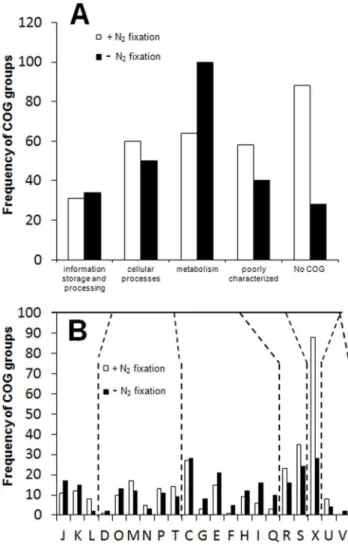
chloride). The global gene expression profile was compared by oligonucleotide-based transcriptome microarray studies. A total of 524 (13.1%) genes exhibited more than a 1.8 fold change in expression under nitrogen fixation in comparison to N-replete conditions (P,0.05). This cut-off was used as it allowed better coverage of cotranscribed genes, some of which were only moderately regulated. Among these genes, the expression of 290 (7.2%) genes was enhanced and the expression of 234 (5.8%) genes was repressed (see Table S1, Figure 1) under N2 fixation. The
genome of strain BH72 harbors 55 genes (azo0510 to azo0564) located in anifcluster encoding for proteins directly or indirectly involved in nitrogen fixation according to their annotation [10], accounting only about 1.3% of the protein encoding genes (Figure 2). Therefore, the N2response in strain BH72 elicited the
expression of a 10-fold higher number of genes even outside thenif
cluster. Selected results obtained by the microarray approach were further examined by real-time RT-PCR. Similarly, 549 out of 4146 predicted genes had enhanced expression under nitrogen fixation inPseudomonas stutzeriA1501, accounting about 13% [21]. ForAzotobacter vinelandii, transcript levels for even 30% of the genes changed more than two-fold during diazotrophic growth com-pared to the N-replete control [22].
Genes modulated under N2 fixation were evenly distributed
across most general COG functional categories (Clusters of
Orthologus Group(s)), however the group belonging to ‘‘not in
Figure 1. Distribution of differentially regulated genes of Azoarcussp. strain BH72 according to COG categories.Genes up regulated under N2fixation shown by white bars (N2)and those down regulated under N2fixation shown by black bars (NH3). (A) Broad COG categories; (B) subcategories within a broad category. C: Energy production and conversion, D: Cell cycle control, mitosis and meiosis, E: Amino acid transport and metabolism, F: Nucleotide transport and metabolism, G: Carbohydrate transport and metabolism, H: Coenzyme transport and metabolism, I: Lipid transport and metabolism, J:Trans-lation, K: Transcription, L: Replication, recombination and repair, M: Cell wall/membrane biogenesis, N: Cell motility, O: Posttranslational modification, protein turnover, chaperones, P: Inorganic ion transport and metabolism, Q: Secondary metabolites biosynthesis, transport and catabolism, R: General function prediction only, S: Function unknown, T: Signal transduction mechanisms, U: Intracellular trafficking and secretion, X: not in COG.
COG’’ was most frequently up-regulated (Figure 1, Table S1). Accordingly, 28% of the up-regulated genes and 12% of down-regulated genes under N2fixation belonged to this group. Even
several gene clusters with unknown functions exhibited enhanced expression under N2fixation, such as clusterazo1297-azo1310or
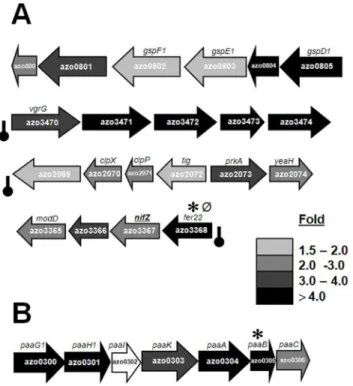
cluster azo3470-azo3474 (Figure 3, Table S1). Interestingly, recently it has been shown that some of them encode components of a type VI secretion system (see below), [23].
The group of metabolism-related genes represented an also frequently modulated COG category. However, the majority of the members were down-regulated under N2fixation, particularly
those belonging to carbohydrate, coenzyme, lipid and secondary metabolite metabolism subgroups, respectively (Figure 1). COG U represented by proteins involved in secretion was also strongly overrepresented under N2 fixation. Interestingly, genes from the
subcategory L representing replication, recombination and repair proteins were mainly up-regulated under N2 fixation, while
members representing transcription (K) as well as translation, ribosomal structure and biogenesis subfamilies (J) were mainly found to be down-regulated (Figure 1).
Differential Expression of Genes Related to Nitrogen Fixation
Several gene clusters were found to be significantly up-regulated under N2fixation, indicating functional relationships. They can be
divided into two broad categories. One of them included genes which are directly or indirectly related to nitrogen fixation represented by gene clusters involved directly in nitrogenase synthesis, maturation and function. As expected, up-regulation of most genes of thenifcluster (azo0512– azo0562) was detected, with genes encoding proteins involved in nitrogenase maturation, nitrogenase enzyme and electron transporters (Figure 2; Table S1). AlthoughnifHup-regulation was not found to be statistically significant due to spot inhomogeneity, it was shown previously that the expression of nifH, fdxN, and nifLA were elevated under N2
fixation [11,24]. Interestingly, specifically the components ofrnf1 -complex encoded within thenifcluster and not genes of thernf2
complex exhibited enhanced expression under N2 fixation. The
Rnf1 complex has been reported to couple the energy of ion transport to reduce ferredoxin, and in strain BH72 it appears to play a role in electron transfer to nitrogenase and in regulation of the ‘‘switch-off’’ of nitrogenase in response to ammonia [11]. In addition,nifgenes outside thenifcluster and in distant locations of
the chromosome were differentially regulated too;nifF1(azo0014) and nifZ (azo3367) along with fer22 (azo3368) (related to nitrogenase maturation) were also induced 2.7, 2.6, 11.5 fold, respectively (Figure 3, Table S1). Likewise, genes encoding for proteins related to efficient N2 fixation electron transfer, ATP
synthesis and molybdopterin biosynthesis, an important compo-nent of FeMo-co, exhibited enhanced expression under nitrogen fixation, respectively (Table S1). Accordingly, genes for molybde-num transporters like modA1 and modE were up-regulated. Also several genes coding for electron transfer flavoproteins like etf1,
etfA2,etfB2, etfA3,etfB3,flavodoxinisiB, probable cytochromecc42
and even nifY2 (nitrogenase maturation protein) were up-regulated. Recently it has been reported that NifB and NifEN protein levels are regulated by protease ClpXP under N2fixation
conditions inA. vinelandii [25]. This ClpX protein ofA. vinelandii
has highest similarity (76% identical, 84% similar) to the respective ClpX copy (azo2070) ofAzoarcus sp. strain BH72. Concordantly,
clpXandclpPexpressions were enhanced by 2 fold in strain BH72 under N2fixation, as well (Figure 3).
Nitrogen Response of Gene Clusters Not Related to Nitrogen Fixation
Several of the gene clusters differentially regulated in response to nitrogen fixation conditions encoded proteins that were not obviously related to nitrogen metabolism but with completely different functions. This may in part reflect the difference in growth conditions and generation times, although they do not vastly differ (2.1060.09 on N2, 1.6660.13 on NH4+) [26].
Transport and secretion: Several secretion clusters were found to be induced under N2fixation in strain BH72. In agreement to
the up-regulation of genes in COG group U (Figure 1), a gene cluster encoding for putative components of a type II secretion system (azo0801– azo0805) components, was strongly up-regulated under N2 fixation (Figure 3; Table S1). For confirmation of
differential gene expression in unexpected cases such as this (see also below), an independent method was used. Quantitative RT-PCR analysis validated the induced expression ofazo0805by even 21.465.7 fold under N2response. Proteins transported by the type
II secretion pathway have to first translocate across the cytoplas-mic membrane via the Sec system and then fold into a translocation-competent conformation in the periplasm. Secreted proteins may include proteases, cellulases, pectinases, phospholi-pases, liphospholi-pases, and toxins [27]. This appeared to be a relatively
Figure 2. Schematic representation of the corenifgene cluster (azo0510-azo0562) and its expression inAzoarcussp. strain BH72.The
specific induction, as a second type II secretion gspgene cluster (azo2097- azo2084) was not affected. Another type of protein secretion system was induced under N2fixation. This cluster was
characterized to encode components of type VI secretion system (azo1299 to azo1307) [23] (Table S1). Type VI secretion system gene clusters contain from 15 to more than 20 genes, two of which encode Hcp and VgrG, that are nearly universally secreted components of the system [28,29]. As in several symbiotic or pathogenic interactions with eukaryotes [30], the type VI protein secretion appears to play a role also inAzoarcus-rice interactions [23].
Nitrogen and carbon metabolism: As expected, in response to N2 fixation the transcription of glnA (encoding glutamine
synthetase) was enhanced to assimilate the fixed nitrogen, glnP
andglnH(glutamine transporters) were induced, as well (Table S1). In contrast, the transcription of denitrification genes like napD1
andnapE(Table S1),as well as a gene for NO22assimilationnirB
(Table S1), were strongly repressed under N2 fixation.
Interest-ingly, expression of hoxB encoding for the small subunit of
hydrogenase was enhanced by 6.57 fold (Table S1) specifically under N2 fixation. It may be tempting to speculate that H2
liberated as a by-product under N2fixation by nitrogenase can be
further oxidized by an uptake hydrogenase to recycle reducing equivalents.
N2 fixation in Azoarcus sp. strain BH72 was accompanied by
down-regulation of the expression of several of the Embden-Meyerhof pathway (EMP) and tricarboxylic acid cycle (TCA cycle) enzymes. Especially the transcription of the components of PDH complex as well as components of ethanol oxidation pathway producing acetyl-CoA was reduced. Expression of some enzymes of the ß oxidation of the fatty acid pathway generating acetyl-CoA as end product, were also found to be transcriptionally repressed under N2 fixation. Perhaps occurrence of high energy charge
(ATP/ADP) in N2fixing cells inhibits some of the enzymes and
also their expression or this might reflect slower growth. Translation and transcription: Expression of gene coding for small subunit of ribosomal protein (azo3394) as well as translation initiation factors and elongation factors (azo3419; azo3431) were down-regulated under N2fixation (Table S1), which might reflect
the slower growth rate. This is in agreement with the generation time measured for Azoarcus sp. strain BH72 under N2 fixation
(2.10 h) as compared to that in presence of ammonia (1.12 h). The fold of repression (2.9–fold) of one of the ribosomal protein encoding genes,azo0720under nitrogen response even corrobo-rated with qRT-PCR approach (22.561.5 fold) under similar condition (Table 1). Consistently, expression of genes encoding DNA directed RNA polymerase subunits,rpoC, rpoB, and more general sigma factorsrpoH(sigma32), andrpoD(sigma70), as well as several transcription factors like gacA and uidR, were strongly repressed under N2fixation. In contrast, expression ofalgU(rpoE)
(sigma 24) and rpoN2 (sigma 54), but not rpoN1, were strongly enhanced under N2fixation (Table S1). Among these two copies in
the genome of strain BH72,rpoN1(azo0504) is located in proximity to thenifcluster, andrpoN2(azo1790) widely distant from thenif
cluster. A few organisms may have two copies ofrpoN, such as
Bradyrhizobium japonicum, Rhizobium etli, [31,32], Ralstonia solana-cearumandBurkholderia fungorum,whileRhodobacter sphaeroidesharbors 4 copies [33]. Generally RpoN1 is involved in the expression of the genes required for nitrogen fixation, whereas RpoN2 is required for the transcription of the class II and class III flagellar genes. The significant induction ofazo1790by 3.9 -fold (Table S1) was also verified by real time qRT-PCR (17.8362.94 fold) (Table 1). In
Rhizobium etli,rpoN1expression was negatively autoregulated under aerobic growth and reduced during microaerobiosis and symbiosis whilerpoN2expression was specifically induced under microaer-obiosis and in bacteroids [32].R. sphaeroidesharbours 4 copies of
rpoN gene. rpoN1 located within nif cluster was down-regulated under shift to aerobic conditions while rpoN2 located with the flagellar genes was transiently up-regulated after shift to aerobiosis [34]. Additionally, a high number of transcription factors belonging to Fis, LysR, TetR, MerR, AraC, and LuxR families respectively were modulated in their expression: 10 were up-regulated and 11 down-up-regulated; one of them,azo1584encoding a hybrid sensor-response regulator, exhibited even a relatively high 6.34 fold enhanced expression on N2(Figure S4). Thus, complex
changes in transcriptional regulation appear to occur under conditions of nitrogen fixation. InPseudomonas stutzeri, expression of only 6 transcription factors of the LysR, TetR or AraC family were up-regulated under N2fixation [21]. InAzotobacter vinelandii, an Fnr
like negative transcriptional regulator of CydAB was up-regulated while IscR (Fe-S assembly Factor) was down-regulated under all conditions of N2fixation withnifH,vnf, andanf[22].
Figure 3. Selected gene clusters up-regulated or down-regulated under N2 fixation in comparison to growth on
ammonia.(A) Clusters up-regulated, with following functions: gene cluster encoding for components of general secretion pathway (type II); cluster encoding for several hypothetical proteins, the first gene in the cluster beingvgrG(component of type VI secretion); cluster of genes encoding for proteases; cluster harboring genes involved in nif
maturation, nifZ, ferredoxin like mobile electron carrier fer22, and component of Molybdenum transport modD; closely linked genes within the nif cluster encoding for FeMoco cofactor biosynthesis protein, hypothetical protein, sigma E factor regulatory protein and probable ferrodoxin. (B) Cluster down-regulated under N2 fixation; genes encoding for proteins/enzymes involved in phenylacetic acid degradation pathway (paa). Fold change represented by shades of grey give the average fold of induction from 3 independent microarray experiments in each case. Black bar with round cap, symbols or Ø, represent intergenic transcription termination loop, putative RpoN-binding sites or putative NifA-RpoN-binding sites, respectively, upstream of the target gene of interest as described previously in the legend of Figure 2.
Secondary metabolism: Flagella and pili are important for microbial colonization of the host, particularly for endophytic colonization of rice roots byAzoarcussp. strain BH72 [35,36,37]. Enhancement of expression of pilH, pilY1B and fliF under diazotrophic growth (Table S1) speaks in favor of a common mode of gene regulation. Indeed several of the pilin as well as flagellar genes are known to be under the common control of RpoN along with thenifrelated genes in other bacteria. One of the interesting observations under N2fixation was the strong
down-regulation of proteins involved in phenyl acetic acid (PAA) degradation pathway (paa-cluster) (Table S1, Figure 3). In
Azospirillum brasilense, PAA has been reported as an auxin like molecule with anti-microbial activity [38]. It has been reported to play a role in plant growth promotion and protect the producing strain from other competing strains in natural environments. Recently, connections between virulence and gene products of the phenylacetate catabolism have been shown in Burkholderia cenocepacia[39]. The accumulation of the early products of PAA catabolism is known to have toxic effects on the host showing disease symptoms. Ring-1,2-epoxide and its phenolic breakdown product 2-hydroxyphenylacetate are obvious candidates for causing such damage [40]. PAA might play a role in rhizosphere competence of Azoarcus sp. strain BH72 outside the root, and down-regulation of the PAA degradation pathway under N2
fixation might be beneficial for strain BH72 to establish a successful endophytic colonization as a ‘‘disarmed plant pathogen’’ inside rice root without showing signs of disease. Thus, modulation of expression of genes related to plant colonization might link the diazotrophic with the endophytic life style.
Genome Wide Prediction of212/224 Promoters fors54 Factor (RpoN) Binding and of NifA Binding Sites
The RpoN regulon was analyzed in several organisms, such as
E. coli [41], Pseudomonas putida [42] and several species of
Rhizobiaceae [43] by use of powerful computational methods that took advantage of the high conservation of s54
-type promoter sequences throughout diverse bacterial groups. To potentially discriminate between genes directly and indirectly regulated by
RpoN and to identify other members of the RpoN regulon undetected by microarray analysis, we carried out an in silico
search to locate potential RpoN-binding sites inAzoarcussp. strain BH72 genome using the online tool for the prediction of prokaryotic promoter elements and regulons, PePPER: a web based regulon, TF (TranscriptionFactor), and TFBS (T ranscrip-tionFactorBindingSite) mining system. The intergenic regions of the complete genome sequence of strain BH72 were scored against position-specific weight matrices (PWM) derived from selected RpoN-binding sites of bacterial species listed in the TFBS tool box of PePPER. With the default setting parameters of the online analysis tool, we were initially able to detect genome wide 173 putative RpoN-binding sites ors54
-type promoters upstream of 162 target genes that could potentially direct the transcription of a gene in the correct orientation. The binding sequences ofAzoarcus
sp. strain BH72 were assembled together to generate a genome wide RpoN-binding consensus using Web logo (Figure S1). Restricting the list to those target genes which were also modulated in their expression under N2 fixation in microarray
experiments, 38 RpoN-binding motifs were predicted to be present upstream of 36 target genes (Table S2). This probably comprised the subset of the whole RpoN regulon involved in controlling functions related to N2fixation accounting to 22% of
all genes with predicted RpoN binding motif. Among them, genes
nifB(azo0523) andnarK(azo1288) were with tandem promoter sites as also detected for example forP. putidaCa-3 [44]. RpoN binding motifs were predicted upstream of nifH and nifL, respectively, which have been previously shown experimentally to be modu-lated under N2 fixation [18,24]. Hence they were additionally
included in the list as well, although modulation ofnifH andnifL
expression was not detected under current microarray experiments (Table S2). Similarly a candidate genepilA, which is not related to N2fixation but known to possess a RpoN-binding motif [35], was
detected by the online analysis tool, speaking in favor of its robustness. As expected, most of the listed genes belonged to N2
fixation related functions: structural gene of nitrogenase nifH
(azo0538), maturation process of nitrogenase like nifB (azo0523),
nifE (azo0562) or electron transport like rnfA1 (azo0517), nifF1
Table 1.Differential gene expression ofAzoarcussp. BH72 under N2fixation or under NifA regulation detected by real-time PCR and microarray transcriptome studies.
N2response (induction) NifA regulon (induction)
locus tag gene gene product Microarray qRT-PCR Microarray qRT-PCR
azo3471 conserved hypothetical protein 11.1 21.269.6 23.1a
23.261.9
azo0954 isiB probable flavodoxin 13.4 60614.3 3.9 12.664.6
azo3368 fer22 probable ferredoxin 2Fe-2S protein 11.5 90.7615.4 4.9 19.968.6
azo0804 hypothetical protein 4.1 20.362.3 22.2 26.263.8
azo1790 rpoN2 RNA polymerase, sigma 54 subunit, (SigL) 3.9 17.8362.9 24.4 226.369.7
azo0805 gspD1 general secretion pathway protein D 10.0 21.465.7 n/a n/a
azo1566 clpB1 probable ATP-dependent Clp protease. 24.2 216.366.4 n/a n a
azo1625 fabG1 3-oxoacyl-[acyl-carrier-protein] reductase 23.6 23.861.4 3.6 52.4616.6
azo0720 rpsR SSU ribosomal protein S18P 22.9 22.561.5 23.1 2461.2
azo0585 tlyA conserved hypothetical protein n/a n/a 6.1 12.763.2
azo1077 cysM cysteine synthase n/a n/a 3.3 14.665.2
azo3155 ilvH acetolactate synthase. small subunit n/a n/a 25.5 21.960.3
azo3246 fadD4 Long-chain-fatty-acid-CoA ligase n/a n/a 23.0 23.761.1
a(–) Represents down-regulated under N
(azo0014),fer22(azo3368) or transcription factorsrpoN2(azo1790),
azo2932. Others included those that are involved in nitrogen assimilation, glnA (azo0738), nitrate transport narK (azo1288) or even outer membrane efflux proteins as nodT(azo2554). Outside N2 fixation related functions, genes encoding for hypothetical
proteins with enhanced expression under N2 fixation were also
found to be preceded by RpoN-binding motifs. This included 17 different hypothetical protein encoding genes like azo2488, azo2922, azo2958, azo3080. 5 out of 17 encoded even secretory proteins (azo2346, azo3866, azo3738, azo3114, and azo3866). Additionally, ethanol metabolism, with expression of the aldehyde dehydrogenase genealdA(azo2939) [45] being repressed under N2
fixation, was also found to be linked with an RpoN binding site. Additionally, binding sites for NifA, the transcriptional activator fornifgenes, were predicted using the consensus TGT-N10-TCA
in the intergenic region of theAzoarcussp. strain BH72 (Prodoric). Sequences were searched in both the strands, relative to the context of the gene start spanning up to 500 bases. Sequences generated with a score above -6.5 with their associated target genes exhibiting NifA-regulated differential expression pattern in microarray experiments were chosen for further analysis. In this way, 29 NifA binding sequences were predicted upstream of 25 target genes (Table S3). Tandem NifA binding sequences were found to be present upstream of rnfA1, nifL, sodC and nifE,
respectively (Table S3). 18 of the listed genes were positively regulated while 7 were negatively regulated in the presence of NifA. 11 out of 25 target genes were up-regulated under N2
fixation, as well, and 8 of them also possessed an upstream RpoN-binding motif. Correspondence to expression data is discussed below.
Characterization of the NifLA Regulon: Transcriptional Activator for Nitrogen-fixation Related Genes
The transcriptional activator for nifHDK genes inAzoarcus sp. strain BH72 is the NifA protein, whose activity is known to be modulated by the anti-activator NifL in response to oxygen and combined nitrogen under free-living conditions [18]: the nifLA
mutant BHLAO is unable to grow on N2. The NifA regulon has
been analyzed only in root nodule endosymbionts up to now, such as Bradyrhizobium japonicum [46], Sinorhizobium meliloti [47] and
Rhizobium etli[48]. In their regulatory network leading to symbiotic nitrogen fixation, low oxygen concentration is a major cue affecting NifA activity.
In order to globally assess the NifA regulon of strain BH72, we compared the transcriptome of wild type cells with that of the
nifLAmutant strain BHLAO, both grown microaerobically under conditions allowing nitrogen fixation in presence of glutamate. The generation time of both strains was similar (wild type 2.7 h, BHLAO 2.6 h). The nifL::V strain (BHLAO) was previously
constructed by marker-exchange mutagenesis, carrying a polar mutation in thenifLgene by insertion of a Sp/Sm-cartridge which also abolished nifA transcription [18]. BHLAO was not able to grow on N2 in the absence of combined nitrogen under
microaerobic condition as NifA was essential for diazotrophy as transcriptional activator. It was also shown previously that nifA
expression was undetectable in presence of combined nitrogen in strain BHLAO. To further verify thatnifAexpression is completely abolished in strain BHLAO under conditions of strong induction, total RNA was isolated from bacteria grown under N2 fixing
condition in presence of 10 mM glutamate. As expected, a 0.421 kb amplification product ofnifAwas detected by RT-PCR only in wild type strain BH72 (Figure S2A) and not in strain BHLAO. Neither of the negative controls, without an RT step or template, respectively, generated amplification products. (Figure
S2A). The use of equal amounts of RNA in both extracts was confirmed by semi-quantitative RT-PCR using primers for amplification of 16S rRNA (Figure S2B).
The number of genes modulated in expression exceeded the number of genes modulated under N2fixation. 996 genes differed
in expression in thenifLAmutant in comparison to the wild type; 587 genes were positively regulated while 409 genes were negatively regulated (Table S1, Figure 4). The respective COG categories revealed that the putative regulon encompassed a broad range of functional categories; nearly all functional categories housed a fair number of candidates (Figure S3). This might partially be attributed to different growth conditions: these experiments had to be carried out with glutamate as a nitrogen source that does not repress nif genes, in contrast to the experiments comparing N2-fixing and ammonium-grown wild
type cells without glutamate addition. Therefore, we analyzed the effect of addition of glutamate on the transcriptome of wild type BH72 under conditions of nitrogen fixation. The glutamate response affected only transcription of 6% (Table S1) of the genome, mostly at moderately high levels, compared to the BNF response (13%) or the NifA response (24%). Moreover, the genes modulated under the NifA response independent of nitrogen response were mostly independent of the glutamate response (see below). Therefore, metabolic effects of glutamate might not fully explain the strong impact of absence of NifA. This indicated a more global nature of NifA regulation beyondnif-gene regulation. The NifA regulon in rhizobia was also found to be relatively broad, with 323 genes differentially regulated under microaerobic, free living conditions inB. japonicum [46], or even 601 genes in symbioticS. meliloticells [47].
As expected for NifA as the essential transcription activator for
nifgenes, the expression ofnifstructural genes as well as several of those involved in nitrogenase maturation were up-regulated under
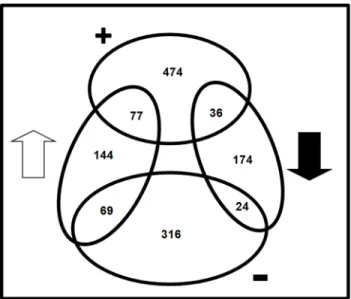
Figure 4. Venn diagram summarizing the number of differen-tially expressed genes ofAzoarcussp. BH72 from two different transcriptome studies (N2 response and NifA regulon) and
their overlap. The numbers within the ovals represent genes modulated under the microarray experiments. Non-filled arrow and solid arrow represent up-regulation and down-regulation of genes under N2 fixation, respectively. The+or – symbols represent genes positively or negatively regulated by NifA, directly or indirectly, under N2-fixing condition. The circles and region of overlap are not drawn to scale.
N2fixation and severely repressed in the nifAmutant (Figure 2).
Also nif related genes outside the nif cluster like azo3366 and
azo3367(nifZ) were found to be positively regulated by NifA (Table S1). Accordingly genes for electron transport complexes like Rnf1 (azo0512toazo0517) or genes encoding for mobile electron carriers like flavodoxinnifF1(azo0014) and ferredoxins likefer22(azo3368) were positively regulated by NifA under conditions of nitrogen fixation (Figure 5A, upper panel). Concordantly, RpoN and NifA binding sites were predicted in the upstream promoter region of
azo3368 and nifF1, respectively. Data from microarray experi-ments were corroborated with expression data obtained from real time PCR analysis: qRT-PCR analysis showed that indeed
azo3368was strongly induced (90.7615.4 fold) under N2response
and positively regulated (19.968.6 fold) by NifA (Table 1). As has been shown forR. leguminosarum[49],hoxB(azo3807) encoding for hydrogenase was also under NifA control in strain BH72. Proteases encoded by clpX (azo2070) and clpP (azo2071) up-regulated under N2-fixation were also found to be under NifA
control, as inAzotobacter vinelandii[25]. As all genes of the operon were positively regulated by NifA and not affected by glutamate, this was not likely a metabolic effect.
Only 2 out of 10 transcriptional regulator genes,gcv(azo3618) and azo0625, up-regulated under N2-fixing conditions, were
indeed positively regulated by NifA, albeit indirectly as no binding site was predicted (Figure S4, Table S1). No RpoN-binding site could be detected upstream of all these 10 genes up-regulated under N2 fixation (Table S1), thus modulation might be an
indirect effect.
The NifA Regulon Beyond Nitrogen Fixation
Despite the known role of NifA as transcriptional activator of N2-fixation-related genes, almost half of the modulated transcripts
were under negative control in strain BH72 (409 versus 587 positively regulated); however, this was mostly indirect, since for the majority, NifA binding sites could not be predicted. Similar ratios were found inB. japonicum(190/133 genes) [46] or even in a reversed ratio in S. meliloti (291/320 genes) [47]. Moreover, in
Azoarcussp. strain BH72 only 77 or 24 of the genes up- or down-regulated under BNF, respectively, were under apparent positive or negative control of NifLA (Figure 4, Table S1). For example, as inB. japonicum [50], the fatty acid biosynthesis cluster (azo1620– azo1627) in strain BH72 was strongly down-regulated under N2
fixation but still, probably indirectly, activated by NifA (Figure 5A, middle panel). In accordance to expression data from microarray analysis, qRT-PCR further validated the azo1625 modulation, with down-regulation under N2 response by -3.861.4 fold and
activation by NifA by 52.4616.6 fold.
Although the expression of the gene cluster encoding for a T6SS was enhanced under N2fixation, it appeared to be independent of
NifA control. In contrast, gene expression of 4 out of 22 secretory proteins,azo0483,azo1306,azo2346andazo3872, which were up-regulated under N2 fixation, were positively affected by NifA,
probably indirectly (Table S1).
The majority of the NifLA-modulated genes (474 under positive, 316 under negative control) were not significantly affected by the nitrogen stimulus (Figure 4). This was unexpected, as NifA activity in NifL-containing Gammaproteobactera [51] and strain BH72 [18] is known to be controlled by the anti-activator NifL which inhibits the transcriptional activity of NifA by direct stochiometric interaction in response to elevated levels of fixed nitrogen and oxygen. Thus, one would expect regulation of genes in response to nitrogen and under control of NifA to be widely overlapping. Apparently, NifA plays an additional role under microaerobic conditions independent from this regulatory circuit.
NifA in strain BH72 was shown to be functionally inactive in
nifDHK activation in presence of combined nitrogen due to the binding of anti-activator NifL, and to be only active under N2
fixation [18]; however, it had been observed thatnifHexpression was severely repressed albeit not completely abolished under N surplus [6,18], indicating slight residual activity of NifA. The availability of few free NifA (not bound to NifL) molecules might be sufficient to affect expression of downstream target genes. Moreover, nifA expression is detected even in the presence of combined nitrogen in strain BH72 and enhanced only 3 fold under N2fixation [18].
According to our set parameter for the fold change of induction with 1.8 or above, the NifA regulon encompassed 24.9% of the genome. Setting the fold change threshold to 3.5 to cover only strongly modulated genes, drastically reduced the number of modulated targets to 4.4%. Many of these differentially expressed genes that were not modulated by ammonia addition had these relatively high levels of modulation: 67 genes were up-regulated and 48 down-regulated, respectively. However, for none of these down-regulated promoters a NifA binding site was predicted (except forazo0499), which indicates an only indirect mechanism of regulation.
Among those 67 activated genes, 17 genes encoded for hypothetical proteins. Additionally, NifA affected the expression ofsodC(azo0522) (superoxide dismutase) related to oxygen stress, andsurE (azo1087)(exopolyphosphatase). In R. etli, a peroxidase expression is shown to be under RpoN and NifA control [52]. NifA binding sites could also be predicted upstream of both the genes. Some of the strongly induced gene clusters included genes for metabolic processes such as azo1003-azo1005 (transhydro-genases), azo1038-azo1043 (leucine/isoleucine biosynthesis),
azo3418-azo3397 (ribosomal protein subunits) (Figure 5A, lower panel), and were not affected in expression by glutamate. Although no obvious RpoN or NifA binding sites were predicted upstream of the gene clusters encoding for respiratory chain components, expression of nuo genes comprising the NADH:ubiquinone oxidoreductase gene cluster (complex I) as well as cco genes comprising the high affinity terminal oxidase (cbb3-type) gene
cluster (complex IV) both were positively regulated in presence of NifA, respectively (Figure 5A).
Negative regulation by NifA on targets with enhanced expression under nitrogen fixation seems to be quite unusual. Interestingly 9 out of 18 target genes in this category belonged to hypothetical proteins, but were mainly indirectly regulated by NifA according to the binding site prediction. For example,
azo3471encoding for a conserved hypothetical protein was 11– fold induced by N2 but about 3.1 -fold negatively regulated by
NifA (Table S1). qRT-PCR analysis corroborated a similar tendency of induction ofazo3471:21.269.6 fold induction under N2response and 3.261.9 fold negative regulation by NifA. Also
here, no effect of glutamate was detected. Others from this category included genes involved in phospholipid biosynthesis (cfa1), PHB granule association (azo3815), chemotaxis (parA3), maintenance of cell wall integrity (rmlB) and tRNA binding (smpB). Enhanced expression of PHB associated phasin under N2was also
observed in the P. stutzeri transcriptome [21]. A hybrid sensor response regulator (azo1584) and alternative sigma factorrpoN2
(azo1790) strongly expressed under this condition might also have some regulatory roles (Figure S4).
Only 2 genes were repressed under N2fixation and negatively
Figure 5. Gene clusters positively or negatively regulated in the presence of NifA under nitrogen fixing conditions.(A) Gene cluster(s) positively regulated by NifA and also up-regulated (upper), down-regulated (middle) or not modulated (lower) under N2fixation. (B) Gene cluster(s) negatively regulated by NifA and also up-regulated (upper), down-regulated (middle) or not modulated (lower) under N2fixation. Fold of induction of each gene is according to the gray shade code index provided. Blank arrows represent no detectable modulation of the target gene. Symbols or Ø represent predicted intergenic RpoN-binding sites or NifA-binding sites, respectively, upstream of the target gene of interest, as described in the legend of Figure 2.
reported for B. japonicum [53]. Out of the 48 genes which were negatively affected by NifA in a nitrogen independent manner (Table S1), 25 are hypothetical or conserved hypothetical proteins (Table S1; Figure 5B, lower panel). Genes involved in amino acid uptake as well as branched chain amino acid metabolism were found to be repressed in the wild type as compared to strain BHLAO, along with urease and isocitrate lyase (key enzyme for glyoxalate pathway), indicative of down-regulation of pathways for alternative nitrogen sources and gluconeogenesis. The expression of nodD (transcriptional regulator of lysR fam) was strongly up-regulated innifLA–
background which can also indirectly regulate the transcription of target genes under such conditions (Table S1). Beyond its role as essential transcription factor fornif genes, NifA was suggested to control other genes involved in nodule maturation and bacteroid persistence in symbiotic bacteria, as well [54]. A generalized role of NifA in the nodulation competitiveness of R. meliloti had also long been reported [55]. In Klebsiella pneumoniae, the nifA product can substitute for the glnG (ntrC) product (two component response regulator) as a nitrogen control regulator, replacing the ntrCproduct in the activation of its own promoter unidirectionally and, in addition, the promoters of several nitrogen assimilation genes, including thehut, put, aut, and
glnA genes [56]. Even NifA can substitute NtrC binding of upstream activating sequences [56].
Considering the strongly modulated ($3.5 fold) 31 genes which were positively regulated by NifA and even up-regulated under N2
fixation, 7 were predicted to bear NifA binding upstream elements (Table S3). These may represent the real targets of NifA, genes withnifassociated function. Perhaps NifA has a direct action on these target genes, by upstream binding. Those with binding sites and negatively regulated by NifA were independent from the N2
response. One of them, the putative repressor frlR, might be directly regulated by NifA and thus contribute to indirect regulation by NifA.
Comparing the array of 38 target genes with upstream RpoN-binding site (all modulated in their expression under N2fixation)
with the list of 25 genes with predicted NifA binding site (expression regulated by NifA in all) generated an overlap of 8 genes, in which RpoN binding promoter sequence as well as NifA binding upstream activating sequence occurred simultaneously. As expected, 4 (rnfA1, azo0536, hesB, and nifE) out of these 8 target genes were located within thenifcluster. Two out of the remaining genes situated outside thenif-cluster, encoded for mobile electron carriers involved in N2 fixation: nifF1 (azo0014) encoding for
probable flavodoxin and fer22 (azo3368) encoding for probable ferredoxin. The other 2 encoded for hypothetical protein (azo3080) and conserved hypothetical ATPase (azo3791), respectively.
Conclusion
The N2 response of Azoarcus sp. strain BH72 resulted in
up-regulation of 144 genes and down-up-regulation of 174 genes, independent of the NifA regulon accounting to 61% of the response. Outside thenif related genes there is a significant up-regulation of genes for hypothetical proteins and non-nif related gene clusters and down regulation of several general metabolism-related genes under N2fixation in strain BH72. The life style may
undergo drastic changes when free-living bacteria become plant associated. Interestingly, the N2response itself may partially act as
a stimulus to trigger such changes, even in the free living state: In addition to the up-regulation of genes involved in the nitrogen fixation machinery, several protein secretion systems, motility appendages and hypothetical proteins likely to be colonization-related became up-regulated. On the other hand, genes particu-larly related to cell structure, energy metabolism and protein
synthesis were found to be down-regulated under N2, perhaps
correlating with the slow-down of general metabolism associated with nitrogen-fixing life style at slower growth. Furthermore, down-regulation of selected aromatic aminoacid (phenylacetic acid) degradation pathways under N2 stimulus observed in this
study could be beneficial for successful establishment as disarmed pathogen in plant roots. This report provides for the first time evidence for a genome-wide regulatory activity of NifA in an endophyte. Although N2fixation modulated 13% of the genome,
the NifA regulon was found to encompass a broader and more diverse range of targets than ever expected, accounting to 24% of the genome or still 4.4% when only the strongly modulated ($3.5 fold) genes were considered. Considering the large number of differentially expressed genes and the relatively few genes that may underlay direct regulation by NifA, it is tempting to speculate that the regulatory role of NifA is extended by the control of certain transcriptional factors such as sigma factors, activators or repressors. Several good candidates for further investigations are azo0625,gcvA, and sigma factors likealgUandrpoN2which are all modulated under N2response and apparently indirectly
transcrip-tionally regulated by NifA.
Materials and Methods
Strains and Growth Conditions
Azoarcus sp. strain BH72 was grown in an oxygen-controlled bioreactor (Biostat B; B. Braun Melsungen AG, Melsungen, Germany) at 37uC with stirring at 600 r.p.m, under microaerobic conditions (0.6% oxygen concentration) either in nitrogen free SM-medium on N2 [57], or in the same medium supplemented
with either 10 mM ammonium chloride as N-source (N-replete) or with 10 mM glutamate (poor nitrogen source). AnifLA2mutant of
Azoarcussp. strain BH72 was constructed by disrupting the ORF of
nifLby insertion of a Sp/Sm resistance cartridge [18]. Cells were harvested at an OD578of 0.6 by centrifuging 45 mL of culture per
tube at 90006g for 5 min at 22uC. Pellets were immediately frozen
in liquid nitrogen and stored at280uC.
Azoarcussp. Strain BH72 Transcript Profiling Using a Genome-wide Oligonucleotide Microarray
Frozen bacterial cell pellets were re-suspended in a 1:1 mixture of pre-warmed phenol-chloroform (pH 4.7) and 50 mM sodium acetate/10 mM EDTA/1% SDS (pH 5.1). Cells were incubated for 5 min at 65uC followed by 10 min of incubation on ice. For phase separation, the mixture was centrifuged for 10 min at 12uC and 80006g, and the upper phase was mixed with the same
volume of phenol-chloroform (pH 4.7). This phenol extraction was repeated three times followed by extraction with chloroform-isoamyl alcohol (24:1). RNA precipitation was performed with the same volume of isopropanol for 45 min on ice. The RNA was pelleted by centrifugation (1300006g, 10 min, 4uC) and washed with 70% ethanol. RNA was dissolved in 16RNAsecure (Applied
Biosystems), snap frozen in liquid nitrogen and stored at280uC until further processing.
Contaminating DNA was removed from RNA preparations by DNase I using Qiagen columns (RNeasy Mini Kit, Qiagen, Hilden, Germany) according to manufacturer’s instructions. The DNase I treated RNA was eluted twice in 30mL of elution buffer, pooled and finally stored in 16RNA secure in280uC.
fluorescent dyes to the aminoallyl-labelled first strand cDNA, aliquots of Cy3-NHS or Cy5-NHS esters (GE Healthcare) were dissolved in the elution of first strand cDNA, mixed and incubated for 90 min at room temperature in the dark. Blocking of all remaining dyes (quenching) was achieved by adding hydroxyl-amine (4 M) to the sample solution, followed by incubation for 15 min at room temperature. Subsequent cleaning up of labelled cDNA from remaining dyes was performed with the CyScribe GFX Purification Kit (GE Healthcare) according to manufactur-er’s instructions. The Cy5- and Cy3-labelled cDNA that was used in one hybridization experiment were cleaned up together. The labelled cDNA was stored at220uC until microarray hybridiza-tion after it had been checked for successful labeling [20]. The combined Cy3/Cy5-labelled targets were dried in a vacuum concentrator and further dissolved in DIG Easy hybridization solution (Roche, Mannheim, Germany) prior to hybridization. The transcriptome microarray spotted on epoxysilane-coated Nexterion Slide E (Schott) (CeBiTec, University Bielefeld) [20] contained 70mer oligonucleotide probes for the 3,989 predicted protein-coding genes from Azoarcus sp. strain BH72 in four replicates [20]. Before hybridization, the targets were denatured at 65uC for 10 min. The hybridization of fluorescently labelled cDNA targets to oligonucleotide microarrays was performed at 42uC for 14 to 18 hours as described previously [20]. The Cy3-and Cy5-fluorescence was scanned at 532 nm Cy3-and 635 nm with the GenePix Scanner 4000A (Molecular Devices, Sunnyvale, CA, USA) with a pixel size of 10mm. The image analysis was performed with the GenePix 4.1 program. After scanning, raw data images of the slides that contain information about gene expression levels were obtained by the GenePix software. These images were analyzed by identifying each spot on the array (with the help of an array layout template) with measurements of its fluorescence intensity and the corresponding background intensity. With the file transformation tool Express Converter v.2.1 (http:// www.tm4.org/utilities.html), data files generated from GenePix (.gpr) were converted to TM4 files (.mev) that could be uploaded to the MIDAS platform. Normalization with MIDAS v2.19 (TM4 suite) was done in order to reduce variability by appropriately adjusting the data. In this study, the LOWESS (locally weighted scattered plot smoothing) normalization was performed using the block mode as set-up parameter as this mode allowed correction of systematic spatial variation between the grids of the array. The normalized data for each spot were exported to Excel for further downstream analysis. Overall, three independent experiments (biological replicates) were performed. Average expression fold were determined from normalized values of the three sets. Statistical analysis was performed by one-tailed paired t-test with Bonferroni correction for three independent experiments includ-ing dye-swap. Only genes that showed an expression of at least 1.8 fold and a P-value #0.05 were regarded as being differentially expressed. The microarray data have been deposited in the GEO database (http://www.ncbi.nlm.nih.gov/geo) under accession no. GSE49394.
RT-PCR and Semi Quantitative RT-PCR
For two step RT-PCR, initially 200 ng or 10 ng DNaseI treated total RNA was reverse transcribed at 50uC for 1 hour using gene specific reverse primers: nifA with nifArev3RT (59TCGTCCAGGTGCTCGCGGCTG 39) or 16S rDNA with R518 (59ATTACCGCGGCTGCTGG 39), respectively, using SuperScriptH III Reverse Transcriptase (RT) (life technologies) according to manufacturer’s instruction. Subsequent PCR ampli-fication of thenifAcDNA in the second step was carried out with DreamTaq DNA polymerase (Thermo SCIENTIFIC) using an
aliquot from the previous reverse transcriptase reaction as template and primers nifAfor1RT (59 AT-GAGCGCGGCCGGTCCGATG 39) and nifArev2RT (59CACGGTTTCGTGCCCGGCGCG 39) for 35 cycles of 1 min 95uC, 1 min 65uC, 1 min 72uC [18]. For 16S cDNA amplification, semi quantitative RT-PCR was carried out in a similar way using forward primer F341 (59 CCTACGGGAGG-CAGCAG39) and the previous reverse primer R518 for PCR amplification at 1 min 95uC, 1 min 50uC, 1 min 72uC [58] with samples being taken out at different cycle numbers (13–19) from the PCR reaction. In each case the products were separated on 1.5% agarose gel.
Real-time PCR
For quantitative real-time RT-PCR of selected genes, synthesis of cDNA was achieved by using gene specific reverse primers for genes azo1790, azo3471, azo0954, azo3368, azo0804, azo0805,
azo1566,azo1625, azo720, azo0585, azo1077, azo3155, azo3246and 16S rRNA by using the Verso 2-Step QRT-PCR Kit from ABgene. cDNA synthesis on 30 ng RNA and the quantitative PCR step with 162-Step QPCR Mix (ABgene) and 0.56SYBR
green I dye (Molecular Probes) was carried out as previously described [20]. The 22DDCT method was applied for data
analyses, and 16S was used as a reference gene with the following primers: 16SRTfor: CTTGACATGCCTGGAACCTT, 16SRTrev: ATGACGT GTGAAGCCCTACC, azo1790for: AGCGGGTGTTCTTCAGCTAC, azo1790rev: GGCGCGAAAAGAAATACTTG, azo0954for: GTTTGTCAGTGCGCTTGGTA azo0954rev: GTCTTGTCGGCTTCGTTGAT, azo3471for: ATCGCCGA-CAACTATGTCCT, azo3471rev: CGCACGTTGAGGAT-GATTT, azo3368for: CCTTCCTCGAAGCCTTTCA, azo3368rev:TGTGCTCGTCGATGATGGTG, azo0804for: GTATCTCGCCCTCGGAAAC, azo0804rev: GCTGT, azo0805for: CGTCGAGGAGGTGGTGTATT, azo0805rev: CGCACGTTGAGGATGATTT, azo1566for: GAAGACC-GAGCTGTGCAAGAC, azo1566rev: GACCTCGTCGAA-CAGGATGAC, azo1625for: GAAGTCGAG, azo1625rev: CGGAGGTGATGTTGATGATG; azo0720for: CTTCAAGCGTCGCAAGTTCT; azo0720rev: GTTGGTGCAGATCGGTGTAAG, azo0585for: CTCAA-GAAGGCTTCCCACAG, azo0585rev: CAGGCAATCGGT-GAAACC, azo1077for: ACGCATCACTCATTTCGTCA, azo1077rev: ACGCATCACTCATTTCGTCA; azo3155for: GCTCGTCGAGGTAGTCAAGG, azo3155rev: GTACGGTTTCGAGGATCAGC; azo3246for: ATCTGCTC-CACGACCTGATT, azo3246rev: GATTGACGGGTACGAA-GACG;
Web Based Genome Wide Predictions
Genome wide prediction of RpoN binding sites was carried out by using the online tool PePPER (Prediction of Prokaryote
Promoter Elements and Regulons): a web based Regulon,
TranscriptionFactor (TF) andTranscriptionFactorBindingSites (TFBS) mining system [59]. The regulon and TFBS database used by PePPER is based on DBTBS, RegulonDB and MolgenRegDB. TFBSs prediction from the PePPER tool box was used for the prediction of (RpoN-binding) considering all the listed known RpoN binding sites of the tool box in the intergenic regions of the annotated genome of Azoarcus sp. strain BH72 based on the MolGenRegDB of PWM models.
used for genome wide motif predictions. For prediction of NifA binding sites, Regulon Analyses mode was used. For each IUPAC code used, sensitivity threshold was set to 0.8 and core sensitivity was set at 0.9. The maximum distance to the downstream gene was set to 0.500 kb. The search was restricted to intergenic regions, and the option to remove redundant palindromic matches was also activated. The generated promoter sequences were considered only when the SEP-score was above -6.0. Intrinsic transcriptional terminators (azo_Terminator(s) were inferred from genome annotation of strain BH72 by GenDB [61].
Supporting Information
Figure S1 Sequence logo for genome wide RpoN-binding site of Azoarcus sp. strain BH72 created by using ‘WebLogo’. The consensus motif is derived from individual motifs ranging from 46 to 49 bases predicted in the intergenic upstream region of target genes using the online webserver for prediction of prokaryotic promoter elements, PePPER. 173 putative RpoN-binding motifs upstream of 162 target genes with score.6.00 were used to create the logo with the WebLogo generator http://weblogo.berkeley.edu/.
(PDF)
Figure S2 Analysis of nifA expression under N2 fixing condition in presence of glutamate. (A) Analysis of nifA
expression by RT-PCR. M, PstI-digested l DNA; A, wild type strain BH72; B,nifL::Vinsertion mutant BHLAO. In each case,
reverse transcription reactions were carried out without (2RT; lanes 2 and 3), or with (+RT; lanes 4 and 5) Superscript III reverse transcriptase, and aliquots were used as templates for the subsequent PCR amplification, respectively. 2T, no template control;+T, positive control with genomic DNA as template for PCR amplification. (B) Semi- quantitative RT-PCR analysis. As a quality control of the RNA, equal amounts (10 ng) of the same RNA preparations from samples A or B, respectively, were used for 16S rRNA-directed RT-PCR. 5ml of the samples were taken after PCR amplification cycles 13 (lanes 4 and 5), 15 (lanes 6 and 7), 17 (lanes 8 and 9), or 19 (lanes 10 and 11), respectively, and the products were run on a 1.5% agarose gel. Negative controls (2
RT): lanes 2 and 3. (PDF)
Figure S3 Distribution of differentially regulated genes of Azoarcussp. strain BH72 according to COG catego-ries. Genes positively regulated by NifA under N2 fixing
conditions shown by white bars and those negatively regulated by NifA under N2fixing conditions are shown by black bars. (A)
Broad COG categories; (B) subcategories within a category. C:
Energy production and conversion, D: Cell cycle control, mitosis and meiosis, E: Amino acid transport and metabolism, F: Nucleotide transport and metabolism, G: Carbohydrate transport and metabolism, H: Coenzyme transport and metabolism, I: Lipid transport and metabolism, J:Translation, K: Transcription, L: Replication, recombination and repair, M: Cell wall/membrane biogenesis, N: Cell motility, O: Posttranslational modification, protein turnover, chaperones, P: Inorganic ion transport and metabolism, Q: Secondary metabolites biosynthesis, transport and catabolism, R: General function prediction only, S: Function unknown, T: Signal transduction mechanisms, U: Intracellular trafficking and secretion, no: not in COG.
(PDF)
Figure S4 Transcription regulators up-regulated under N2 fixation in addition to nifA. The width of the lines
corresponds to relative lengths of amino acid sequence. The boxes on the lines represent respective pfam domains. The color shade of each line corresponds to the fold of induction under N2fixation in
microarray experiments. , When present denotes that the expression of the target regulator is modulated by NifA, as well, in the microarray experiments. TMH: transmembrane helix. (PDF)
Table S1 Table listing all genes of Azoarcussp. BH72 whose expression is modulated by 1.8 fold or more (P value , 0.05) in at least one of the three microarray experiments carried out in this work all conducted under microaerobic condition.
(XLSX)
Table S2 Predicted RpoN-binding sites for genes mod-ulated according to Table S1 in Azoarcus sp. strain BH72.
(XLSX)
Table S3 Predicted NifA-binding sites for genes modu-lated according to Table S1 inAzoarcussp. strain BH72.
(XLSX)
Acknowledgments
We would like to thank Anke Becker (LOEWE-Zentrum fu¨r Synthetische Mikrobiologie) for spotting of the transcriptome microarray slides.
Author Contributions
Conceived and designed the experiments: BRH AS. Performed the experiments: AS. Analyzed the data: AS BRH. Wrote the paper: AS BRH.
References
1. Dixon R, Kahn D (2004) Genetic regulation of biological nitrogen fixation. Nature Reviews Microbiology 2: 621–631.
2. Arconde´guy T, Jack R, Merrick M (2001) PIIsignal transduction proteins,
pivotal players in microbial nitrogen control. Microbiology and Molecular Biology Reviews 65: 80–105.
3. Merrick M, Edwards R (1995) Nitrogen control in bacteria. Microbiological Reviews 59: 604–622.
4. Reinhold-Hurek B, Hurek T (2011) Living inside plants: bacterial endophytes. Current Opinion in Plant Biology 14: 435–443.
5. Reinhold-Hurek B, Hurek T, Gillis M, Hoste B, Vancanneyt M, et al. (1993)
Azoarcusgen. nov., nitrogen-fixing proteobacteria associated with roots of Kallar grass (Leptochloa fusca(L.) Kunth) and description of two speciesAzoarcus indigens
sp. nov. andAzoarcus communissp. nov. International Journal of Systematic Bacteriology 43: 574–584.
6. Egener T, Hurek T, Reinhold-Hurek B (1999) Endophytic expression ofnif
genes of Azoarcus sp. strain BH72 in rice roots. Molecular Plant Microbe Interactions 12: 813–819.
7. Hurek T, Reinhold B, Grimm B, Fendrik I, Niemann EG (1988) Occurrence of effective nitrogen-scavenging bacteria in the rhizosphere of Kallar grass. Plant & Soil 110: 339–348.
8. Reinhold-Hurek B, Hurek T (1998) Life in grasses: diazotrophic endophytes. Trends in Microbiology 6: 139–144.
9. Hurek T, Handley L, Reinhold-Hurek B, Piche´ Y (2002) Azoarcus grass endophytes contribute fixed nitrogen to the plant in an unculturable state. Molecular Plant Microbe Interactions 15: 233–242.
10. Krause A, Ramakumar A, Bartels D, Battistoni F, Bekel T, et al. (2006) Genomic insights into the lifestyle of the mutualistic, N2-fixing grass endophyte
Azoarcussp. strain BH72. Nature Biotechnology 24: 1385–1391.
11. Sarkar A, Ko¨hler J, Hurek T, Reinhold-Hurek B (2012) A novel regulatory role of the Rnf-complex ofAzoarcussp. strain BH72. Molecular Microbiology 83: 408–422.
12. Riordan JT, Tietjen JA, Walsh CW, Gustafson JE, Whittam TS (2010) Inactivation of alternative sigma factor 54 (RpoN) leads to increased acid resistance, and alters locus of enterocyte effacement (LEE) expression in
13. Gruber TM, Gross CA (2003) Multiple sigma subunits and the partitioning of bacterial transcription space. Annu Rev Microbiol 57: 441–466.
14. Yang H, Hu L, Hurek T, Reinhold-Hurek B (2010) Global characterization of the root transcriptome of a wild species of rice,Oryza longistaminata, by deep sequencing. BMC Genomics 11: 705–712.
15. Barrios H, Valderrama B, Morett E (1999) Compilation and analysis of s54
-dependent promoter sequences. Nucleic Acids Research 27: 4305–4313. 16. Merrick MJ (1993) In a class of its own–the RNA polymerase sigma factor s54
(s
N
). Molecular Microbiology 10: 903–909.
17. Bush M, Dixon R (2012) The role of bacterial enhancer binding proteins as specialized activators of sigma54-dependent transcription. Microbiology and Molecular Biology Reviews 76: 497–529.
18. Egener T, Sarkar A, Martin DE, Reinhold-Hurek B (2002) Identification of a NifL-like protein in a diazotroph of the beta-subgroup of theProteobacteria,
Azoarcussp. strain BH72. Microbiology 148: 3203–3212.
19. Dixon R (1998) The oxygen-responsive NIFL-NIFA complex: a novel two-component regulatory system controlling nitrogenase synthesis in
gamma-Proteobacteria. Archives of Microbiology 169: 371–380.
20. Hauberg-Lotte L, Klingenberg H, Scharf C, Bo¨hm M, Plessl J, et al. (2012) Environmental factors affecting the expression ofpilABas well as the proteome and transcriptome of the grass endophyteAzoarcussp. strain BH72. PLoS One 7: e30421. doi:30410.31371/journal.pone.0030421.
21. Yan Y, Ping S, Peng J, Han Y, Li L, et al. (2010) Global transcriptional analysis of nitrogen fixation and ammonium repression in root-associatedPseudomonas stutzeriA1501. BMC Genomics 11: 11.
22. Hamilton TL, Ludwig M, Dixon R, Boyd ES, Dos Santos PC, et al. (2011) Transcriptional profiling of nitrogen fixation inAzotobacter vinelandii. Journal of Bacteriology 193: 4477–4486.
23. Shidore T, Dinse T, O¨ hrlein J, Becker A, Reinhold-Hurek B (2012) Transcriptomic analysis of responses to exudates reveal genes required for rhizosphere competence of the endophyteAzoarcussp. strain BH72. Environ-mental Microbiology 14: 2775–2787.
24. Egener T, Martin DE, Sarkar A, Reinhold-Hurek B (2001) Role of a ferrodoxine gene cotranscribed with thenifHDKoperon in N2fixation and nitrogenase
‘‘switch off’’ ofAzoarcussp. strain BH72. Journal of Bacteriology 183: 3752– 3760.
25. Martinez-Noel G, Curatti L, Hernandez JA, Rubio LM (2011) NifB and NifEN protein levels are regulated by ClpX2 under nitrogen fixation conditions in
Azotobacter vinelandii. Molecular Microbiology 79: 1182–1193.
26. Martin D, Hurek T, Reinhold-Hurek B (2000) Occurrence of three PII-like
signal transmitter proteins in the diazotrophAzoarcus sp. BH72. Molecular Microbiology 38: 276–288.
27. Hwang W, Lee NY, Kim J, Lee MA, Kim KS, et al. (2011) Functional characterization of EpsC, a component of the type II secretion system, in the pathogenicity ofVibrio vulnificus. Infection and Immunity 79: 4068–4080. 28. Filloux A, Hachani B, Bleves S (2008) The bacterial type VI secretion machine:
yet another player for protein transport across membranes. Microbiology 154: 1570–1583.
29. Hachani A, Lossi NS, Hamilton A, Jones C, Bleves S, et al. (2011) Type VI secretion system inPseudomonas aeruginosa: secretion and multimerization of VgrG proteins. Journal of Biological Chemistry 286: 12317–12327.
30. Bingle LEH, Bailey CM, Pallen MJ (2008) Type VI secretion: a beginner’s guide. Current Opinion in Microbiology 11: 3–8.
31. Kullik I, Fritsche S, Knobel H, Sanjuan J, Hennecke H, et al. (1991)
Bradyrhizobium japonicumhas two differentially regulated, functional homologs of the s54
gene(rpoN). Journal of Bacteriology 173: 1125–1138.
32. Michiels J, Moris M, Dombrecht B, Verreth C, Vanderleyden J (1998) Differential regulation ofRhizobium etli rpoN2gene expression during symbiosis and free-living growth. Journal of Bacteriology 180: 3620–3628.
33. Poggio S, Osorio A, Dreyfus G, Camarena L (2006) Transcriptional specificity of RpoN1 and RpoN2 involves differential recognition of the promoter sequences and specific interaction with the cognate activator proteins. Journal of Biological Chemistry 281: 27205–27215.
34. Arai H, Roh JH, Kaplan S (2008) Transcriptome dynamics during the transition from anaerobic photosynthesis to aerobic respiration inRhodobacter sphaeroides
2.4.1. Journal of Bacteriology 190: 286–299.
35. Do¨rr J, Hurek T, Reinhold-Hurek B (1998) Type IV pili are involved in plant-microbe and fungus-plant-microbe interactions. Molecular Microbiology 30: 7–17. 36. Bo¨hm M, Hurek T, Reinhold-Hurek B (2007) Twitching motility is essential for
endophytic rice colonization by the N2- fixing endophyteAzoarcussp. strain
BH72. Molecular Plant Microbe Interactions 20: 526–533.
37. Buschart A, Sachs S, Chen X, Herglotz J, Krause A, et al. (2012) Flagella mediate endophytic competence rather than act as MAMPS in rice -Azoarcussp. strain BH72 interactions. Molecular Plant Microbe Interactions 25: 191–199.
38. Somers E, Ptacek D, Gysegom P, Srinivasan M, Vanderleyden J (2005)
Azospirillum brasilenseproduces the auxin-like phenylacetic acid by using the key enzymes for indole-3-acetic acid biosynthesis. Applied and Environmental Microbiology 71: 1803–1810.
39. Law RJ, Hamlin JN, Sivro A, McCorrister SJ, Cardama GA, et al. (2008) A functional phenylacetic acid catabolic pathway is required for full pathogenicity of Burkholderia cenocepacia in the Caenorhabditis elegans host model. Journal of Bacteriology 190: 7209–7218.
40. Teufel R, Mascaraque V, Ismail W, Voss M, Perera J, et al. (2010) Bacterial phenylalanine and phenylacetate catabolic pathway revealed. Proceedings of the National Academy of Sciences of the United States of America 107: 14390– 14395.
41. Reitzer L, Schneider BL (2001) Metabolic context and possible physiological themes of s54-dependent genes inEscherichia coli. Microbiology and Molecular Biology Reviews 65: 422–444.
42. Cases I, Ussery DW, de Lorenzo V (2003) The s54 regulon (sigmulon) of Pseudomonas putida. Environmental Microbiology 5: 1281–1293.
43. Dombrecht B, Marchal K, Vanderleyden J, Michiels J (2002) Prediction and overview of the RpoN-regulon in closely related species of the Rhizobiales. Genome Biology 3: RESEARCH0076.0071-0076.0011.
44. O’ Leary ND, O’ Mahony MM, Dobson AD (2011) Regulation of phenylacetic acid uptake is sigma54 dependent in Pseudomonas putida CA-3. BMC microbiology 11: 229.
45. Krause A, Leyser B, Miche´ L, Battistoni F, Reinhold-Hurek B (2011) Exploring the function of alcohol dehydrogeanses during the endophytic life ofAzoarcussp. strain BH72. Molecular Plant Microbe Interactions 24: 1325–1332. 46. Hauser F, Pessi G, Friberg M, Weber C, Rusca N, et al. (2007) Dissection of the
Bradyrhizobium japonicumNifA+s54
regulon, and identification of a ferredoxin gene (fdxN) for symbiotic nitrogen fixation. Mol Genet Genomics 278: 255–271. 47. Tian Z, Zou H, Li J, Zhang Y, Liu Y, et al. (2006) Transcriptome analysis of
Sinorhizobium meliloti nodule bacteria in nifA mutant background. Chinese Science Bulletin 51: 2079–2086.
48. Salazar E, Diaz-Mejia JJ, Moreno-Hagelsieb G, Martinez-Batallar G, Mora Y, et al. (2010) Characterization of the NifA-RpoN regulon inRhizobium etliin free life and in symbiosis with Phaseolus vulgaris. Applied and Environmental Microbiology 76: 4510–4520.
49. Brito B, Martinez M, Fernandez D, Rey L, Cabrera E, et al. (1997) Hydrogenase genes from Rhizobium leguminosarumbv. viciae are controlled by the nitrogen fixation regulatory protein nifA. Proceedings of the National Academy of Sciences of the United States of America 94: 6019–6024.
50. Sarma AD, Emerich DW (2006) A comparative proteomic evaluation of culture grown vs nodule isolatedBradyrhizobium japonicum. Proteomics 6: 3008–3028. 51. Martinez-Argudo I, Little R, Shearer N, Johnson P, Dixon R (2004) The
NifL-NifA System: a multidomain transcriptional regulatory complex that integrates environmental signals. Journal of Bacteriology 186: 601–610.
52. Dombrecht B, Heusdens C, Beullens S, Verreth C, Mulkers E, et al. (2005) Defence ofRhizobium etlibacteroids against oxidative stress involves a complexly regulated atypical 2-Cys peroxiredoxin. Molecular Microbiology 55: 1207–1221. 53. Bueno E, Mesa S, Sanchez C, Bedmar EJ, Delgado MJ (2010) NifA is required for maximal expression of denitrification genes in Bradyrhizobium japonicum. Environmental Microbiology Reports 12: 393–400.
54. Fischer H-M (1994) Genetic regulation of nitrogen fixation in rhizobia. Microbiological Reviews 58: 352–386.
55. Sanjuan J, Olivares F (1991) Multicopy Plasmids Carrying the Klebsiella pneumoniae nifA Gene Enhance Rhizobium meliloti Nodulation Competitiveness on Alfalfa. Molecular Plant Microbe Interactions 4: 365–369.
56. Ow DW, Sundaresan V, Rothstein DM, Brown SE, Ausubel FM (1983) Promoters regulated by theglnG (ntrC)andnifAgene products share a heptameric consensus sequence in the -15 region. Proceedings of the National Academy of Sciences of the United States of America 80: 2524–2528.
57. Reinhold B, Hurek T, Fendrik I (1985) Strain-specific chemotaxis ofAzospirillum
spp. Journal of Bacteriology 162: 190–195.
58. Bartram AK, Lynch MD, Stearns JC, Moreno-Hagelsieb G, Neufeld JD (2011) Generation of multimillion-sequence 16S rRNA gene libraries from complex microbial communities by assembling paired-end illumina reads. Applied and environmental microbiology 77: 3846–3852.
59. de Jong A, Pietersma H, Cordes M, Kuipers OP, Kok J (2012) PePPER: a webserver for prediction of prokaryote promoter elements and regulons. BMC genomics 13: 299.
60. Mu¨nch R, Hiller K, Barg H, Heldt D, Linz S, et al. (2003) PRODORIC: prokaryotic database of gene regulation. Nucleic Acids Research 31: 266–269. 61. Meyer F, Goesmann A, McHardy AC, Bartels D, Bekel T, et al. (2003) GenDB–