Vitor Gouveia Faria
Dissertation presented to obtain the Ph.D degree in Evolutionary Biology
Instituto de Tecnologia Química e Biológica António Xavier | Universidade Nova de LisboaHost-Microbe Interaction
and Evolution:
Host-‐microbe interaction and evolution:
infection, symbiosis, immunity and adaptation
Vitor Gouveia Faria
Dissertation presented to obtain the Ph.D. degree in Evolutionary Biology
Instituto de Tecnologia Química e Biológica Universidade de Lisboa
Research work coordinated by Doctor José Élio da Silva Sucena Oeiras, October 2016
The study described in this Ph.D. Thesis was performed at Instituto Gulbenkian de Ciência (IGC), Oeiras, Portugal and was financially supported by Fundação para a Ciência e a Tecnologia (FCT), Portugal (SFRH/BD/82299/2011).
Acknowledgements
-‐ Thank you Élio. For everything. For guidance, mentoring and friendship. For being a true scientist and a full humanist. For respecting the differences, despite the differences. For liking the simple, despite the rush. If I ever gave any contribution to Science, it was only possible due to having had the opportunity, in your Lab, to be free to think and to do.
-‐ Thank you Nelson. A big chunk of this Thesis is also yours. So many hours, so many numbers, so many plans. Together we proved that a result can be more that a sum of the parts.
-‐ Thank you Tânia. Helping to guide you was a wonderful choice. You’ll always have my support.
-‐ Thank you Lab. For intelligence, dynamism and friendship. -‐ Thank you Sara and Luís. For discussion, alliance and care.
-‐ Thank you Christian and Viola. For collaboration and for opening the doors for new tools.
-‐ Thank you Patrícia’s, Christen’s and Luís’s Labs. For input, companionship and joy.
-‐ Thank you Fly Facility. For being so helpful and tireless.
-‐ Thank you IGC. For being a sweet home and a pleasant inspiration.
-‐ Thank you to both sides of my beloved transatlantic family. For all support, affection and unconditional love.
-‐ Thank you adored friends. A priceless group of crazy-‐amazing people. -‐ Thank you Team Parallel – From Aroeira to Duque, from Barça to anywhere.
Thank you, my dear Inês.
Words were jaded by dreamers. Poets try to rearrange them, craving for survival. Well protected, love always remains in the coherence of actions. 44.
MANIFESTO À DISSEMELHANÇA
Formatemos todos então, Em nome dos antigos e dos passivos.
Confundamos, vigorosamente, diferença com desigualdade. Preguemos os não decassilábicos, queimemos os hereges e todos os que blasfemam.
Certifiquemos que os ovos são todos iguais, E que todas as terras produzem o mesmo.
Industrializemos as mentes, os gostos e o livre arbítrio. Promulguemos o poder hereditário, E ensinemos que o uniforme é a semente do porvir.
Ou então, por não ser assim tão descabido, Aprendamos simplesmente a dizer não. Saibamos que não compensa o boicote pessoal
em nome da mera incompreensão. Que os loucos o sejam até já não o serem, E que os pintores pintem o que bem entenderem. Resistamos à inevitabilidade do indiscutível. Libertemos todos então.
Table of contents
Preface – 11 Summary – 13 Resumo – 17
1 -‐ General Introduction – An overview on host-‐microbe interaction and evolution – 21
1.1 -‐ Evolutionary strategies as the basis to life perpetuation – 23
-‐ Infection and immunity: the two sides of an endless arms race – 24
1.2 -‐ The paths for host-‐microbe evolution – 28 1.3 -‐ Drosophila as a transversal host-‐model – 32 -‐ Half century of Drosophila immunity – 34
1.4 -‐ Wolbachia pipientis: a widespread and multifaceted endobacterium – 38
-‐ Antiviral protection mediated by Wolbachia – 42
1.5 -‐ How to contribute to a better understanding of host-‐microbe interactions? – 44
2 -‐ Wolbachia-‐positive host adaptation against pathogens – 67
2.1 -‐ Prologue – 69
2.2 -‐
From nature to the lab: establishing Drosophila resources for evolutionary genetics – 71
2.3 -‐ Host adaptation is contingent upon the infection route taken by pathogens – 97
2.4 -‐ Genetic basis for Drosophila adaptation against systemic and oral bacterial infection – 127
2.5 -‐ Host adaptation to viruses relies on few genes with different cross-‐ resistance properties – 151
2.6 -‐ Evolution of Drosophila resistance against different pathogens and infection routes entails no maintenance costs – 179
2.7 -‐ Concluding remarks – 207
3 -‐ Host-‐endosymbiont evolution: selection and adaptation – 209
3.1 -‐ Prologue – 211
3.2 -‐ Drosophila adaptation to viral infection through defensive symbiont evolution – 213
3.3 -‐ (Re)Adapting to viral infection without Wolbachia – 245 3.4 -‐ Concluding remarks – 266
4 -‐ Endosymbioses as engines of adaptation and speciation – 269
4.1 -‐ Prologue – 271
4.2 -‐ Novel endosymbioses as a catalyst of fast speciation – 273
4.3 -‐ Wolbachia in the malpighian tubules: evolutionary dead-‐end or adaptation? – 297
4.4 -‐ Testing cannibalism as a mechanism of horizontal transmission for
Wolbachia in Drosophila – 311
4.5 -‐ Concluding remarks – 331
5 -‐ General discussion – Final considerations and ideas for future studies – 333
Table of Figures
Figure 2.2.1 -‐ Vineyard as a large-‐scale collection site for wild Drosophila
specimens. – 76
Figure 2.2.2 -‐ Pipeline of how to establish Drosophila laboratory resources
upon collection from nature. – 77
Figure 2.2.3 -‐ Rapid Drosophila species identification and infection status
by PCR multiplex. – 78
Figure 2.2.4 -‐ Species confirmation by male genitalia. – 79 Figure 2.3.1 -‐ Response to selection. – 103
Figure 2.3.2 -‐ Flies have evolved resistance against P. entomophila
infection. – 105
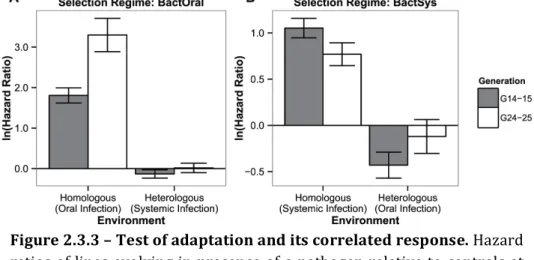
Figure 2.3.3 -‐ Test of adaptation and its correlated response. – 106
Figure 2.3.4 -‐ Specificity of the response. – 108
Figure 2.4.1 -‐ Differentiation between selection regimes. – 132
Figure 2.4.2 -‐ No effect of microbiome in evolved response. – 133
Figure 2.4.3 -‐ RNAi knockdown of candidate genes in BactSys populations.
– 134
Figure 2.4.4 -‐ GWAS with P. entomophila infection and comparison against
Pool-‐Seq. – 135
Figure 2.5.1 -‐ Evolution of increased resistance to DCV. – 157
Figure 2.5.2 -‐ Specificity of the evolved response. – 159
Figure 2.5.3 -‐ Differentiation between selection regimes. – 161
Figure 2.5.4 -‐ RNAi knockdown of candidate genes. – 162
Figure 2.6.1 -‐ Increased immunocompetence is maintained in relaxed-‐
selection populations. – 185
Figure 2.6.2 -‐ Reproductive output and developmental time of individuals
Figure 2.6.3 -‐ Starvation and desiccation resistance of individuals from
Control and Selection lines. – 189
Figure 2.6.4 -‐ Survival and developmental time of individuals from Control
and Selection lines in nutrient-‐limiting conditions. – 190
Figure 3.2.1 -‐ Selection of Wolbachia Clade V variants after experimental
evolution of Drosophila melanogaster with DCV. – 218
Figure 3.2.2 -‐ Wolbachia Clade V variants confer a fitness advantage, over
clade III variants, to Drosophila melanogaster upon viral infection. – 221
Figure 3.3.1 -‐ Evolution of increased resistance to DCV in populations
Wolbachia-‐free. – 251
Figure 3.3.2 – Differentiation between Wolbachia-‐free selection regimes. –
253
Figure 4.2.1 -‐ Symbiotic relationships and the potential emergence of a
novel host lineage. – 278
Figure 4.2.2 -‐ Five-‐step scenario for the fast emergence of new lineages. – 287
Figure 4.3.1 -‐ Wolbachia in malpighian tubules (MTs). – 302
Figure 4.4.1 -‐ Screen for Wolbachia in the initial and tested populations.
–
320
Table Index
TABLE 4.4.1 -‐ Summary of larval ingestion assays and respective female
progeny analyses
.
– 321TABLE 4.4.2 -‐ Summary of adult ingestion assays and respective female
progeny analyses
.
– 322TABLE 4.4.3 -‐ Summary of adult co-‐infection ingestion assays and
Preface
This dissertation comprises the data obtained during the PhD research project, from January 2012 to October 2016, developed at Instituto Gulbenkian de Ciência (IGC) under the supervision of Doctor Élio Sucena.
This Thesis is structured in 5 Chapters, preceded by a summary written in English and Portuguese, outlining the aims, results and outcomes of the project. The first and fifth Chapters correspond to the Introduction and Final Remarks of this dissertation, whereas Chapters two, three and four contain research work produced during my PhD Thesis.
This Thesis contains 7 published papers and 3 manuscripts in preparation. All papers are signed as first or co-‐first author. Prologues and Concluding Remarks may contain excerpts of cover letters, author summaries and abstracts.
Summary
Evolution has been shaping the genetic structure of populations across generations, using mutation and recombination, migration, drift and selection to create and/or corrode variation. The array of traits presented by individuals in a population is dependent on several factors, such as their heritability or the genetic pool available to the adaptive process. Additionally, the multitude of complex relationships within and between species creates another level of complexity that can compromise the pinpointing of the contributing factors and their relative weight to such changes. As so, understandably, disentangling the factors that influence the course of evolution in natural populations is of extreme importance but also of great difficulty.
Host-‐microbe interactions represent a strong and constant pressure to both partners, driven by an intense race between infection and immunity. In this context, a co-‐evolutionary process can emerge that may lead to a mutualistic relationship mitigating or even suspending hostilities. Considering the multifactorial nature of these interactions, host-‐microbe relationships are challenging but rewarding models of laboratorial research to assess a vast range of questions. A prominent model is Drosophila and its natural microbes: from pathogens, such as DCV (Drosophila C virus), to intracellular endosymbionts, such as Wolbachia. The complexity of this network, potentiated by the knowledge and tools of model organisms, constitutes a unique system to reveal important features of the evolution of pathogenicity, immune response and symbiosis.
The combination of different methodologies, techniques and technologies is also an efficient way to transversally approach biological questions. For example, experimental evolution studies performed in the
proxy to the evolutionary crosstalk between different species and their influence in adaptation upon certain selective pressures. Also, with the advent of genomics, we can take our understanding of the genetic basis of each phenomenon to a new level.
This Thesis seeks therefore, by combining these different concepts and tools, to understand the evolutionary consequences of host-‐pathogen interactions and the relative importance of symbiotic relationships to adaptation, at the population, physiological and genetic levels.
We have established laboratory-‐controlled outbred populations of
Drosophila melanogaster originally infected with the intracellular symbiont Wolbachia and followed their response and genetic configuration upon
different pathogenic challenges and different infection routes. We could observe that populations infected with different natural pathogens,
Pseudomonas entomophila or Drosophila C Virus, followed distinct
evolutionary paths and immune strategies in their response against these pathogens. Moreover, we uncovered and characterized the corresponding genomic regions of differentiation and several causative genes and alleles, responsible for providing the genetic basis of the selected phenotypes. We further studied if adaptation processes against pathogens entails evolutionary costs in evolved populations. By removing the selective pressures exerted, as well as measuring fitness and other possibly relevant traits, we found that there were no maintenance costs in the ancestral environment, nor trade-‐offs were observed in tested traits.
We further investigated the evolutionary relationships of microbial endosymbionts and hosts by focusing on the effect of the presence of
Wolbachia in Drosophila populations to the evolution of both parties. Using
we discovered that the strains that conferred higher anti-‐viral protection were fixed by selection in virus-‐adapted populations. This fact makes host selection dependent on endosymbiont genotypes and vice-‐versa. In addition, we show that by removing Wolbachia from this equation in the same experimental setup as before, Drosophila populations returned to being highly susceptible to viral challenge, but soon recovered by engaging in a new adaptive process. This new wave of adaptation revealed the same previously reported regions of interest and the increase in frequency of highly differentiated protective alleles, differing from the initial Wolbachia-‐ free population.
Finally, we explored the mechanisms of Wolbachia transmission in a broad evolutionary context. We engaged in a systematic review of the literature, to propose the thesis that endosymbiosis can be a mechanism for rapid and cyclic speciation, provided that vertical and horizontal transmission occurs. In this broadening of the role of endosymbionts in the evolutionary process, we challenged also the view that Wolbachia allocated to somatic tissues faces an evolutionary dead-‐end. We hypothesize that a fraction of the bacteria present in the germarium, and will be vertically transmitted, actually originates from somatic tissues, namely from malpighian tubules. Furthermore, as horizontal transmission has not yet been observed directly in this particular context, we tested cannibalism as a possible route of Wolbachia horizontal transmission. We could not observe this process and conclude that, if existing, it is either occurring very rarely or requiring additional factors not included in our experimental setup.
Altogether, the results here presented contribute directly and in different ways to our understanding of the evolutionary processes and consequences underlying host-‐pathogen and symbiotic interactions.
Resumo
A Evolução tem vindo a moldar a estrutura genética das populações ao longo de gerações, usando mutação e recombinação, migração, deriva e seleção para criar e/ou corroer a variabilidade. A gama de caracteres apresentados por indivíduos numa população depende de vários factores, tais como a heritabilidade ou o pool genético disponível para o processo adaptativo. Adicionalmente, a multiplicidade de complexas relações intra-‐ e inter-‐espécies, cria um outro nível de complexidade que poderá comprometer a determinação dos factores envolvidos e a sua contribuição relativa para tais mudanças. Assim, compreensivelmente, destrinçar os factores que influenciam o decorrer da evolução em populações naturais é extremamente importante porém bastante difícil.
As interações patogénio-‐hospedeiro representam uma pressão elevada e constante para ambos os intervenientes, advinda de uma intensa batalha entre infeção e imunidade. Neste contexto, poderá emergir um processo co-‐evolutivo, podendo levar a uma relação mutualista, mitigando ou mesmo suspendendo as hostilidades. Tendo em conta a natureza multifactorial destas interações, as relações hospedeiro-‐microorganismo são desafiantes porém recompensadores elementos de investigação laboratorial para abordar um vasto leque de perguntas. Um modelo proeminente consiste de Drosophila e seus micróbios associados: desde patogénios como o DCV (Drosophila C virus), até aos endosimbiontes intracelulares, como a Wolbachia. A complexidade desta rede, potenciada pelo conhecimento e ferramentas existentes em organismos-‐modelo, revela propriedades importantes da evolução da patogenicidade, resposta imunitária e simbiose.
biológicas. Por exemplo, estudos de evolução experimental realizados em laboratório têm provado ser uma valiosa fonte de informação, nomeadamente como representantes do diálogo evolutivo entre diferentes espécies e da sua influência na sua adaptação quando sujeitas a pressões selectivas. Acresce que, com o advento da genómica, podemos estender a nossa compreensão da base genética de cada fenómeno para um novo nível.
Esta Tese procura, portanto, ao combinar estes diferentes conceitos e ferramentas, compreender as consequências evolutivas das interações patogénio-‐hospedeiro e a importância relativa das relações simbióticas para a adaptação, aos níveis populacional, fisiológico e genético.
Estabelecemos populações outbred de Drosophila melanogaster controladas em laboratório, originalmente infectadas com o simbionte intracelular Wolbachia e seguimos a sua resposta e configuração genética face a diferentes investidas de patogénios por diferentes vias infecciosas. Pudemos observar que populações infectadas com diferentes patogénios naturais, Pseudomonas entomophila ou Drosophila C Virus, seguiram vias evolutivas e estratégias imunitárias distintas na sua resposta contra estes patogénios. Mais ainda, deslindámos e caracterizámos as respectivas regiões genómicas de diferenciação e vários genes e alelos responsáveis pela base genética dos fenótipos selecionados. Estudámos também se os processos adaptativos contra patogénios implicam custos evolutivos para as populações evoluídas. Ao remover as pressões seletivas exercidas, bem como medindo fitness e outros caracteres possivelmente relevantes, descobrimos que não existem custos de manutenção no ambiente ancestral, nem foram observados trade-‐offs nos caracteres testados.
Investigámos ainda as relações evolutivas de endosimbiontes microbianos e hospedeiros, tendo como foco o efeito da presença de
Wolbachia em populações de Drosophila para a adaptação de ambas as
partes. Usando o facto de que a população inicial continha diferentes haplótipos de Wolbachia, descobrimos que as estirpes que conferiram maior proteção anti-‐viral foram fixadas por seleção nas populações adaptadas contra vírus. Este facto faz com que a seleção do hospedeiro seja dependente do genótipo de endosimbiontes, e vice-‐versa. Adicionalmente, mostrámos que ao remover a Wolbachia desta equação no mesmo setup experimental, regressa a alta susceptibilidade à infeção viral nas populações de Drosophila, seguindo-‐se contudo uma rápida recuperação através de novo processo adaptativo. Esta nova onda de adaptação baseou-‐se nas mesmas regiões do genoma já reportadas, mais especificamente no aumento de frequência dos alelos mais protectores anteriormente identificados na presença de Wolbachia.
Finalmente, explorámos os mecanismos de transmissão de
Wolbachia. Através de uma revisão sistemática da literatura, postulámos
que a endossimbiose pode constituir um mecanismo de especiação rápida e cíclica, desde que ocorra transmissão vertical e horizontal. Neste alargamento do papel dos endossimbiontes no processo evolutivo, desafiámos também a perspectiva de que a Wolbachia alocada aos tecidos somáticos esteja perante um beco evolutivo. Colocamos a hipótese de que uma fração das bactérias alocadas ao germário, que será transmitida verticalmente, tenha a sua origem em tecidos somáticos, nomeadamente nos túbulos de malpighi. Adicionalmente, como nunca foi observada transmissão horizontal neste contexto em particular, testámos o canibalismo como uma possível via de transmissão horizontal de
Wolbachia. Este processo não foi observado e concluímos que, caso exista,
ocorrerá raramente ou requererá factores não contemplados no nosso desenho experimental.
Em conjunto, os resultados aqui apresentados contribuem diretamente e em diferentes formas para a nossa compreensão dos processos evolutivos e suas consequências para as interações patogénio-‐ hospedeiro e as interações simbióticas.
1
General Introduction
An overview on host-‐microbe interaction and evolution
1.1. Evolutionary strategies as the basis to life perpetuation
As soon as life began on our planet, the necessity for survival strategies became a sine qua non requisite for lineage perpetuation. Charles Darwin, together with Alfred Wallace, structured the idea that the major driver of evolution would be Natural Selection. This idea is based on competition, where well-‐adapted individuals that respond against selective pressures will have higher fitness, generating more offspring. This progeny will carry the parental information and, by (re)combining with other characteristics on each subsequent generation, will go through an adaptive trajectory without a pre-‐defined destination. With the discovery of the rules of heredity by Gregor Mendel, also in the middle of the 19th century, and
subsequently its genetic basis, the DNA code, a direct relationship between phenotype and genotype was built. It was possible to begin to understand the dynamics of populational structures, as well as the creative and destructive forces of variation, responsible for the evolution and diversity of species.
These evolutionary paths lead to the continuous emergence and extinction of lineages that, by ecological necessity, have to interact recurrently with each other. Several strategies arise from these interactions, marked by different selective pressures that drive this process over time, such as the access to nutrients or fighting for habitat. The Thesis here presented focuses mainly on one of these transversal selective pressures, which can be more or less intense, but certainly critical for the organisms on our planet: the host-‐microbe relationships.
Infection and immunity: the two sides of an endless arms race
Over many millions of years, the evolution of life on earth enabled the emergence of an extensive variety of organisms, which exhibit strategies of perpetuation with different degrees of complexity [1]. Uni-‐ or multicellular organisms are able to use diverse base resources for their metabolic functions, and all organisms that survive and spread part of their genetic information need to attack and defend. Throughout the tree of life, specialization in one of these two faculties is common, as well as a balance
between both.
Microorganisms, small and ancestral forms of life, inhabit almost all habitats of our planet [2–6]. This ability to explore a variety of resources is based on an enormous capacity to adapt, using strategies ranging from a fast generation time to recurrent lateral gene transfer [7–9]. Apart from the lineages that have specialized in extracting resources from abiotic substrates, many others evolved to obtain the supplies required for survival from other living organisms [10,11]. However, while some thrive without causing injury to its partners (at least temporarily on the evolutionary scale), others depend or take advantage of the energy stored by them, triggering a cost.
Infectious agents, such as pathogens and parasites, are an example of the latter group, which have built their strategy on the ability to explore, directly or indirectly, other individuals, causing disease. These organisms are able to exploit the available resources and multiply inside or on the surface of their usually larger hosts. Classic examples of these infection agents are viruses [12,13], prions [14,15] or bacteria [16], but also multicellular organisms, such arthropods [17,18], helminths [19,20] or fungi (also unicellular) [21,22]. Some of these are designated as primary pathogens, characterized by having developed a strategy to directly infect
healthy hosts, requiring these individuals for completion of their life cycle. Others, called opportunistic pathogens, take advantage of periods of debility of hosts to establish the infection [23]. With the advancement of fundamental and medical research, special attention has been paid in the attempt to understand how these invading microorganisms operate. Comprehending and recognizing the mechanisms of pathogenic infection is the first step to uncover how the host-‐parasite relationships evolve, and thus hope to develop strategies to tackle them.
Hosts, on their side, have developed several response strategies and defence mechanisms to riposte against pathogen attacks. Some are generic and conserved across large groups of organisms, whilst others are particular specializations resultant of host-‐pathogen co-‐evolution. The most established group of protective adaptations consist of the immune system.
Generically, as an evolutionary gain shared by a wide range of multicellular organisms, we find the innate immune system. Innate immunity relates to the set of physical, chemical and even biological barriers (created by the presence of others species) that impedes the entry of pathogens, including cellular barriers, which fight infection after a contact [24,25]. The innate immune system protects from infections and responds in a general way, but not necessarily in a non-‐specific manner, where cell receptors with high affinity to specific transversal proteins in numerous invaders are also present [26].
In jawed vertebrates, and analogously in agnathans, an even more complex defensive structure evolved: the adaptive immune system [27]. With the co-‐option of DNA-‐editing proteins, namely RAG (Recombination Activating-‐Gene) and AID (Activation-‐Induced cytidine Deaminase) to immune functions, this group developed an outstanding evolutionary novelty [28–30]. Throughout the development of the organism, but also
across life, these animals originate specialized hematopoietic cells, the lymphocytes, which display a virtually endless variety of rearranged defensive receptors that may recognize the invading proteins (non-‐self). Protein fragments are exposed in cell surface by the Major Histocompatibility Complex (MHC), a process called antigen presentation, allowing the activation of T lymphocytes. From that, a refined immune regulation by T lymphocytes and a specialized production of reactive proteins (antibodies/immunoglobulins) by B lymphocytes, closely articulated with the innate defensive mechanisms, create an effective and efficient protective network (for review see [25]). The diversity of receptors necessary to attack a massive variety of invasive agents is only possible through the rearrangement of gene segments and high mutation rate of the genes involved as source material for the process [31]. In this way, progressively in the phylogenetic tree, this group of animals was capable of maximizing the diversity of receptors without exponentially increasing the size of the genome, which is itself a known selective pressure on organisms [26].
In the process of creation of this undifferentiated army for specialized attacks, the lymphocytes are tested with self-‐proteins and the autoreactive clones are eliminated before entry into circulation. The released lymphocytes that are stimulated by non-‐self proteins will multiply and trigger an extremely effective systemic response. Moreover, this response mechanism acts not only when facing a particular infection, but also allows a capacity of a large-‐scale response in future infections from the same pathogen (or any other with the same epitope recognized by this receptor) [25]. This characteristic of memory of infection in adaptive immune system is the basis for effective immunization programs developed by humans, namely vaccination against several pathogens. Such adaptation is a remarkable evolutionary strategy that although configured as very
efficient, has been associated to a significant expenditure of energy. This is because the majority of the produced lymphocytes are useless, being automatically destroyed when detected as auto-‐reactive, or never being activated by a compatible ligand to its receptor.
Moreover, as important as the effectiveness of the adaptive immune system against infections, is the quality of the regulation of autoreactive defensive cells elimination. Several studies in mice, and also clinical cases in humans, have shown the adverse effects of errors in this process [32,33]. This observation suggests that acquired immunity must be under an extreme selective pressure, either positive or negative, according to the success (immunity) or failure (auto-‐immunity) of the process. Therefore, it is essential that organisms balance the direct and indirect costs of increasing the immune response versus spending resources on reproduction, according to the selective pressure imposed by each feature. Nevertheless, the possibility of self-‐damage is not exclusive to the adaptive immune system. The innate immune system is also conditioned by the collateral effects of defensive activity, triggered by, for example, the deregulation of pH, reactive oxygen species (ROS) levels or cell damage by
phagocytosis [34–38].
Another interesting defensive line of many organisms is based on the evolution of behaviour. Although not usually considered a generalized mechanism, but more as specific adaptations resulting from co-‐evolution, behavioural barriers are extremely successful in some cases [39,40]. They consist in the avoidance of pathogens (or even toxic substances produced by other organisms), identified by the potential hosts with sensory characteristics, such as distinctive flavours or smells.
presence of some microorganisms, such as the gut microbiota, can protect the host from the potential entry of harmful microbes [41,42]. Intracellular endosymbionts belong to yet another level of symbiotic immunity, which directly or indirectly (as we will see later), can increase host’s fitness helping to prevent or fight pathogenic infections.
Thus, with so many defensive barriers, it is necessary for microorganisms to adapt quickly, avoiding or neutralizing the evolved arms of the potential new hosts. However, a very fast and violent adaptation by specialized pathogens can be a dead-‐end, disappearing by increase of virulence to the point of decimating their hosts. Therefore, this battle has a very large number of constrains for both sides, creating a necessary balance between different strategies.
1.2. The paths for host-‐microbe evolution
The constant battle where pathogenic virulence and host defence are committed can be sustained for a long time, triggered by the continuous adaptation of both sides. In 1871, Lewis Carroll described in one of his famous books how a enigmatic Red Queen explained to Alice that, in her country, she had to run as fast she could just to stay in the same place, and, to go further, it was necessary run twice as fast. This puzzling vision, also entitled Red Queen Paradigm, was later applied to some evolutionary processes, where host-‐pathogen interaction is a perfect example [26]. The idea that it is necessary keep adapting just to maintain the balance of forces cannot be more appropriate between infection and immunity. In order that one part gains some advantage, it is essential to create new strategies even faster, where the respective evolutionary consequences, beneficial or costly, will be proportional to the magnitude of the change.
As a result of the intrinsic constraints on this process, the frontier between parasitism and mutualism can be a thin line in the coevolution of host-‐microbe systems, where the outcomes are not always strict [43,44]. Symbionts can be mutualistic or pathogenic according to the environmental conditions, such as temperature fluctuations or nutritional status, stimulating and further complicating the evolution of these interactions [45,46] . Therefore, in this shared road of action-‐reaction between both players, fitness is constantly brought into question, proportionally to the degree of interdependence. According to that, the level of host-‐microbe specialization may be decisive for the increase of hostility or, on the other side, for a mutualistic path, a necessary commitment for the good of both [47].
To better understand the possible outcomes of these relationships it is important to realize that all host-‐microbe pairs establish a type of physical interaction, and the nature of this contact will condition the future of the relationship [48]. From parasitism to mutualism, symbioses can be categorized by these types of physical interface between players, namely ecto or endosymbiosis. Ectosymbiosis includes interactions between organisms outside the host’s cells, more specifically on the organism’s surface. The perpetuation of this type of relationship is based on horizontal transmission, creating de novo infections across individuals and generations [49].
In endosymbiosis, the central feature is the presence of a microorganism within the host, intra or extracellularly. This type of relationship is widespread across a vast range of phylogenetic groups [50]. Actually, some basilar and diagnostic characteristics of the kingdoms of life on Earth are defined by the occurrence of intracellular endosymbiosis in the past [51,52]. The prevailing theory clearly points that the origin of
mitochondria or plasts are resultant of successful intracellular symbiosis, a process called symbiogenesis [53–55]. These examples seem to show that a putative infection can originate massive adaptive advantages over time, constructed by the intense coevolutionary process. Thus, as attested by the history of life, this path to mutualism can generate great rearrangements of evolutionary novelties, such as metabolic functions.
In invertebrates, a wide range of endosymbionts has been described in the last decades [56], revealing several symbiogenic processes in distinct steps of coevolution with hosts [57]. For example, in insects, although diverse and presenting different strategies, the identified heritable symbionts can no longer be perpetuated, or even replicate, without the host. On the host’s side, some also cannot develop or reproduce without the endosymbiont, making these microorganisms classified as obligatory (or primary) [58]. Obligatory endosymbionts result from a prolonged coevolution with the host, reducing their genome and usually concentrating in specialized organs, the bacteriomes, which can vary in cellular origin according to the host group. One central model of the host/obligatory endosymbiont relationship is aphids and their endosymbiont Buchnera
aphidicola (a generic name for the related obligatory endosymbiont of all
aphids), which shows the typical characteristics of these relationships mentioned above [59–61].
On the other hand, those endosymbionts that are not vital to the host are designated as facultative or secondary. Contrarily to the obligatory symbionts, facultative symbionts retain their ability to invade new tissues and hosts (with different levels of effectiveness), showing an irregular presence among host tissues and populations [58].
For the endosymbionts that have the capacity of perpetuation by horizontal transmission, the escalation of virulence will increase fitness
since they will always have available another host to infect. Thus, the limiting factor is not the survival of the current individual host but, instead, the viability of the host population as a whole (constituted by the set of infectable individuals, from one or more species). When endosymbionts start to lose the capacity to invade new hosts, progressively adapting to a vertical transmission strategy (maternal and/or paternal) as the mechanism of heritability, the fitness of the current host becomes a key feature. Thus, in this case of intensification of dependency, the fitness of their host and respective progeny is increasingly important, being then directly interconnected. Simultaneously, the door is open to the reduction in virulence and construction of a mutualistic relationship, triggered by the elaboration of new strategies that will increase the fitness of both sides [62,63].
Coupled with the process of the suspension of hostilities and a joint perpetuation, evolution can now use the genetic redundancy between these new allies as raw material to further accelerate the evolution of this new lineage. Redundancy relieves the selective pressure on copies of genes that encode proteins performing similar functions, allowing the sub or neofuncionalization of genes (or alleles) on one side, or even leading to their disappearance [64–66]. Over time, this path consolidates the irreversibility of the process and turns what used to be two entities into one. The above-‐mentioned examples, such as alpha-‐proteobacteria and cyanobacteria, which respectively originated the mitochondria and chloroplast, are great examples of current results of ancient symbiogenic processes.
It is thus clear that the invasion/internalization process, which initially resulted from a pathogenic infection, can evolve into a beneficial system for this new combined entity, in which one fails to survive without
endosymbiont: firstly, through elimination by selection while it is not obligatory to the host, or, after this step, by replacement with of a new endosymbiont that satisfies the necessary vital functions and adds extra adaptive advantages [61,67–69].
In these relationships, where the fitness of host arthropods and endosymbionts are now interconnected by vertical transmission, a possible mechanism that could effectively spread the proliferation of this new entity is the modification of the reproductive rules of the host species. These mechanisms are triggered by some endosymbionts to increase their own transmission, using for this the increase of the progeny of the host. In insects, several species of facultative endosymbionts can modify the host reproduction, such as bacteria of Genus Cardinium [70–72], Arsenophonus [73,74] or Spiroplasma [75–77]. However, and now approached further,
Wolbachia is the most paradigmatic and well-‐studied case, triggering
different manipulations in a vast spectrum of hosts.
Although a large range of immune responses are found along the tree of life, this Thesis focuses in the immune response of invertebrate animals, and in particular Drosophila, which as described further on, presents itself as the central model for the studies in this Thesis.
1.3. Drosophila as a transversal host-‐model
In this long road of scientific discoveries, some organisms have become central in biological research [78]. Among them, with special emphasis on the study of invertebrates, but also with a huge impact on the understanding of Vertebrates, Drosophila flies occupy a central place [79].
Drosophila is a Genus belonging to Family Drosophilidae (Order: Diptera;
Class: Insecta; Filo: Arthropoda), generically designated as “vinegar flies” or “fruit flies”. This Genus includes more than 1,500 species, with large
differences in appearance, behavior and reproductive habitats [80–82]. In particular, one species, Drosophila melanogaster, has been massively used as an in vivo model organism in basic and applied research across several areas [83]. The popularization of Drosophila started with the morphological and genetic experiments by the geneticist Thomas Hunt Morgan, whose lab contributed fundamentally to the establishment of a chromosomal theory of inheritance [84]. To achieve that, and still today in all fields where these flies are used, several characteristics of Drosophila were key. A short generation time (from 2 to 4 weeks), the easy and not expensive maintenance and the possibility to keep a high effective population size, make this organism an accessible genetic analysis tool. Posteriorly, a vast range of public genomic resources and genetic tools allowed an orchestrated manipulation of physiology, genomics and proteomics at the global scale. Great examples of these tools are the GAL4/UAS system (upstream activation sequence) [85,86] or the RNA interference constructs [87,88]. But also the easy access to transgenics banks or genomic libraries and platforms, with thousands of sequencing and annotated genomes, creating a very efficient network to approach several biological questions [89–92]. On top of that, a large community of fly users, sharing tools and knowledge but also using different developmental stages and tissues, exponentially increased the speed at which discoveries under complementary fields are made.
Moreover, the tools generated in this model, associated with diverse natural interacting microorganisms, also make Drosophila an excellent host for studies of the symbiotic relationship [93,94]. As a consequence, D.
melanogaster was also established as an effective test-‐model for human
pathogens, by taking advantage of the conservation of some immune mediators and pathways to better understand the specificities of microbes, including of our species [95–97]. As a result of this context, much has been
learned about the immunity and immune response mechanisms against infections, but also about the strategies to suspend or relieve immunological hostilities in order to live with mutualistic microorganisms.
Half a century of Drosophila immunity
As stated before, Drosophila is a global model to several research areas in Biology. Moreover, the evolutionary conservation of pathways and transcriptional regulators transform Drosophila in a very important platform of experimentation across species [98,99]. The attention on
Drosophila immunity starts in Hans Boman’s Lab, that in 1972 recognized
for the first time an inducible humoral immune response [100], opening the road to the finding and understanding of antimicrobial peptides (AMPs) production and regulation. Almost half a century since this game-‐changing event, many lessons have been learned about the multifaceted immune response of Drosophila, serving as paradigm to insect immunity (for review see [99,101]).
Two main features define the immune response’s progression: the route of infection and the type of invading microorganism.
In the natural environment, ingestion appears to be the most common port of entry of microbes into the host’s body. For microorganisms that need to access the digestive system to complete their life cycle, this is a quick way to ensure horizontal transmission in a cyclic colonization manner [102]. Moreover, this may be an eased path because of the constant energy availability on this milieu. However, the digestive system has several tools to combat an infection or colonization, selecting microbes equipped to avoid these defences [103]. Across this road, the microbes will have to fight against a particularly aggressive environment, including low pH and